

Iran's Navy Challenge
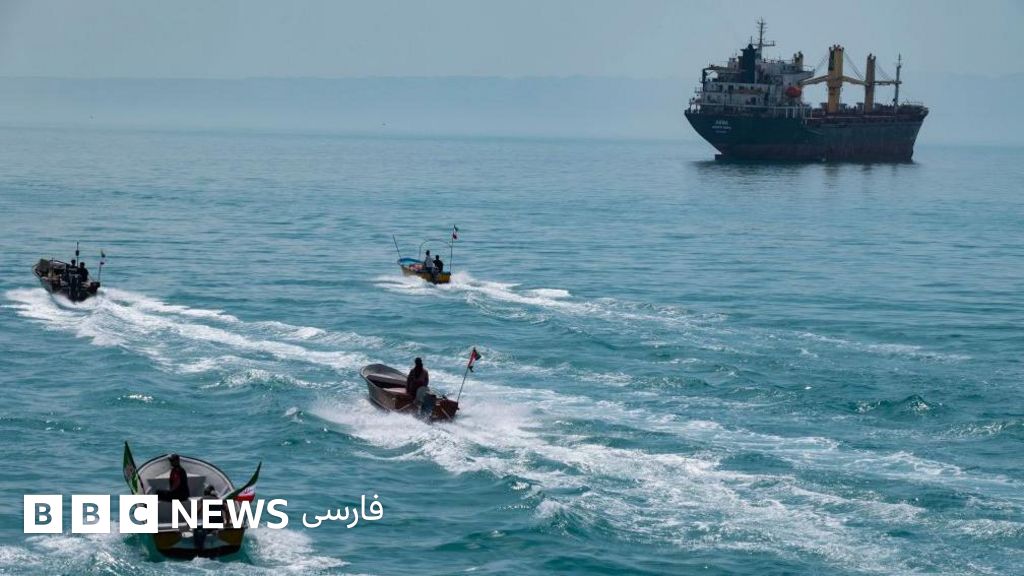
Iran's naval forces have challenged the US in the Strait of Hormuz, with the country's collection of small and fast boats posing a significant threat to American ships in the region, according to reports from BBC Persian. This collection of small boats has been used by Iran to disrupt shipping in the Strait of Hormuz, one of the world's most important maritime routes, in an effort to damage the global economy and force Washington to abandon its conflict with Tehran.
The context of this challenge is rooted in the history of Iran's naval doctrine, which was developed in the 1980s during the Iran-Iraq war. At the time, Iran's conventional naval fleet suffered significant losses in its confrontation with the US Navy, which had entered the conflict to protect oil tankers. In response, Iran developed a doctrine that emphasized the use of small, fast boats to harass and disrupt the operations of more powerful naval forces. This approach has been used to great effect in recent months, with Iran's small boats causing significant disruptions to shipping in the Strait of Hormuz. The use of these small boats allows Iran to pose a threat to larger, more conventional naval forces, without having to engage in a direct confrontation that could result in significant losses.
These small boats are equipped with machine guns and other weapons, and are capable of inflicting significant damage on larger ships. They are highly maneuverable and can operate in shallow waters, making them difficult to detect and engage. The use of these boats has allowed Iran to exert significant influence over the Strait of Hormuz, and has raised concerns about the security of shipping in the region. The challenge posed by Iran's naval activities is a significant one, and highlights the need for the US and other naval powers to develop strategies for countering this type of asymmetric threat.
From a Gulf perspective, the challenge posed by Iran's naval activities is a cause for concern, as it has the potential to disrupt the flow of oil and other goods through the Strait of Hormuz. Qatar, which is a significant producer of natural gas and other energy products, relies heavily on the Strait of Hormuz to export its products to markets around the world. Any disruption to shipping in the region could have significant economic implications for Qatar and other Gulf states, and highlights the need for these countries to work together to address the security challenges posed by Iran's naval activities. Overall, the challenge posed by Iran's naval activities is a significant one, and requires a coordinated response from the US and other naval powers to ensure the security of shipping in the region.
النسخة العربية
تحدي البحرية الإيرانية
قوات البحرية الإيرانية تُشكل تحديًا للولايات المتحدة في مضيق هرمز، وفقًا لتقرير بي بي سي الفارسية، حيث تتمتع هذه القوات بقدرة كبيرة على الإضرار بالسفن الأمريكية في المنطقة.
تُعد قوات البحرية الإيرانية جزءًا من استراتيجية البلاد للتعامل مع القوى البحرية الكبرى، وخاصة في مضيق هرمز، الذي يُعد أحد أهم مسارات الشحن في العالم. وقد استخدمت إيران هذه القوات لإنشاء اختلالات في الملاحة في المضيق، مما أثر على الاقتصاد العالمي وهدفت إلى إجبار واشنطن على التخلي عن الحرب مع طهران.
تاريخيًا، تشكلت قوات القوارب السريعة والصغيرة الإيرانية في الثمانينيات أثناء الحرب بين إيران والعراق، عندما تم سحب الولايات المتحدة إلى الصراع لحماية ناقلات النفط. وقد تعرضت البحرية الإيرانية التقليدية لأضرار جسيمة أثناء هذه المواجهة، مما دفع إيران إلى تبني استراتيجية جديدة تستند إلى استخدام القوارب الصغيرة السريعة.
Source tweet
Iran's naval forces challenge US in Strait of Hormuz, reports BBC Persian
More Stories
 Iran
IranTrump Claims US-Israel Strikes Destroyed Iran's Military Capability
Iran's Revolutionary Guard States National Policy Focuses on Collective Security
 BREAKING
Good Morning, Gaza: Daily Life Continues Amidst Ongoing Challenges
US Prepares for Long Blockade of Iran's Ports
 Diplomacy