

Pakistan, Saudi, Turkish envoys meet Iran's Pezeshkian in Tehran seeking de-escalation
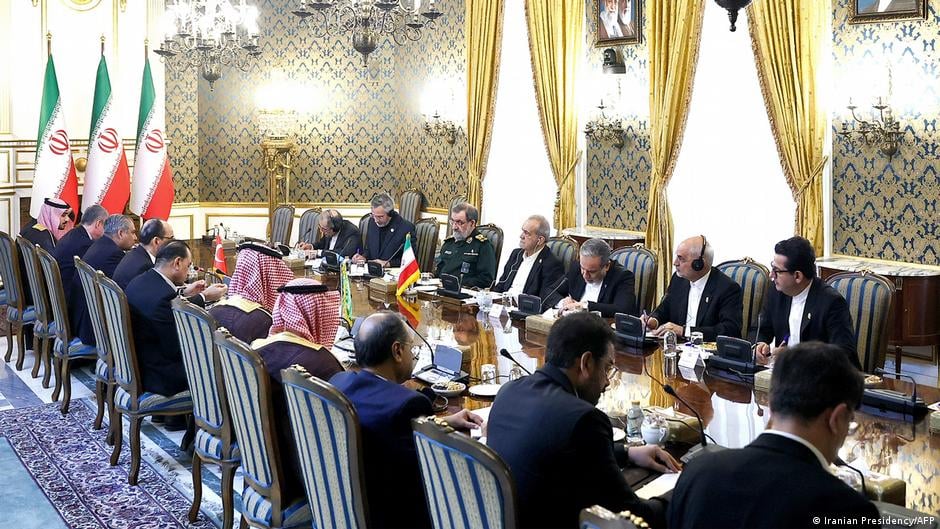
Senior envoys from Saudi Arabia, Pakistan and Turkey met Iranian President Masoud Pezeshkian in Tehran on Monday to push for de-escalation, and no breakthrough was announced. Iran International reported that Saudi Defense Minister Khalid bin Salman, Pakistani army chief Asim Munir and Turkish intelligence chief Ibrahim Kalin met Pezeshkian and Supreme National Security Council Secretary Mohsen Rezaei, who hosted the four-way talks. Iranian state television said the four countries agreed to continue discussions on regional peace and security, according to Iran International, which added that no agreement to halt Houthi attacks was announced.
Regional sources briefed on the talks told The National that the sides made no clear headway. The sources said the three delegations asked Iran to urge the Houthis to stop attacking Saudi Arabia, and that Iran claimed it lacked the leverage to do so. Instead, the sources said, the Iranians asked their guests to press Washington to accept Iran's offer of a two-week pause in hostilities across the region, which would allow negotiations to resume in return for the gradual reopening of the Strait of Hormuz. DW cited Reuters as quoting a senior Pakistani official who said the talks focused on building a regional non-aggression network, alongside US-Iran talks, Houthi attacks on Saudi Arabia, the Strait of Hormuz and the US naval blockade.
How we got here
- In July: according to The National, an air strike hit Sanaa International Airport and the Houthis blamed Saudi Arabia. Yemen's Saudi-backed, internationally recognised government claimed responsibility, saying it hit the runway to stop an unauthorised Iranian aircraft from landing. The Houthis then announced a "blockade for blockade" policy and declared an embargo on Saudi shipping in the Red Sea.
- In August: Iran International said Saudi Arabia, Turkey and Pakistan signed the Mecca Joint Defense Agreement, which pledges collective action when a member comes under attack. It described the Houthi attacks on Saudi Arabia as the first major test of the pact.
- On 26 October 2026: Qatar Standard reported, citing Al Jazeera, that Khalid bin Salman, Munir and Kalin met Pezeshkian, with talks with Rezaei also expected.
- On 27 October 2026: Qatar Standard reported that CGTN, citing Iran's Foreign Ministry, named the three delegation leaders, and that Anadolu, citing security sources, said the agenda covered Palestine, Lebanon, the Strait of Hormuz and Yemen. The same report said Egypt's parliament separately approved defensive military support for Saudi Arabia.
- On 28 October 2026: DW published its account, in which Rezaei told state television, "Very good discussions took place between us." DW said Rezaei reportedly met Supreme Leader Mojtaba Khamenei a day later, and that Iranian state media said Khamenei called for protecting Iran's interests and maintaining Tehran's conditions for ending the war. DW also reported that Pezeshkian travelled to Moscow for the Gas Exporting Countries Forum, where he met Russian President Vladimir Putin and Qatar's Emir Sheikh Tamim bin Hamad Al Thani.
النسخة العربية
مبعوثو باكستان والسعودية وتركيا يلتقون بزشكيان في طهران لخفض التصعيد
التقى مبعوثون كبار من السعودية وباكستان وتركيا بالرئيس الإيراني مسعود بزشكيان في طهران يوم الاثنين سعيا إلى خفض التصعيد، دون أن يُعلن عن أي اختراق. وذكرت [إيران إنترناشيونال](https://www.iranintl.com/en/202610276000) أن وزير الدفاع السعودي خالد بن سلمان وقائد الجيش الباكستاني عاصم منير ورئيس المخابرات التركية إبراهيم كالين التقوا بزشكيان وأمين المجلس الأعلى للأمن القومي الإيراني محسن رضائي، الذي استضاف المحادثات الرباعية. وأفادت إيران إنترناشيونال بأن التلفزيون الإيراني الرسمي قال إن الدول الأربع اتفقت على مواصلة المباحثات حول السلام والأمن الإقليميين، مضيفة أنه لم يُعلن عن اتفاق لوقف هجمات الحوثيين.
وقالت مصادر إقليمية اطلعت على المحادثات لموقع [ذا ناشيونال](https://www.thenationalnews.com/news/gulf/2026/10/27/exclusive-iran-saudi-arabia-inside-tehran-talks/) إن الأطراف لم تحرز تقدما واضحا. وأضافت المصادر أن الوفود الثلاثة طلبت من إيران حثّ الحوثيين على وقف هجماتهم على السعودية، وأن إيران ادعت أنها لا تملك النفوذ الكافي لذلك. وقالت المصادر إن الإيرانيين طلبوا بدلا من ذلك من ضيوفهم الضغط على واشنطن لقبول عرض إيران بهدنة مدتها أسبوعان في أنحاء المنطقة، تتيح استئناف المفاوضات مقابل إعادة فتح مضيق هرمز تدريجيا. ونقلت [دويتشه فيله](https://www.dw.com/en/is-iran-headed-to-war-or-peace-after-mecca-alliance-meeting/a-79788256) عن رويترز أن مسؤولا باكستانيا كبيرا قال إن المحادثات ركزت على بناء شبكة إقليمية لعدم الاعتداء، إضافة إلى المحادثات الأمريكية الإيرانية وهجمات الحوثيين على السعودية ومضيق هرمز والحصار البحري الأمريكي.
كيف وصلنا إلى هنا
Source tweet
Pakistan's Asim Munir, Saudi Defense Minister Khalid bin Salman and Turkey's Ibrahim Kalin met Iran's President Pezeshkian in Tehran. Riyadh says the aim is to open negotiating channels and prevent military escalation. No breakthroughs announced.
More Stories
 Diplomacy
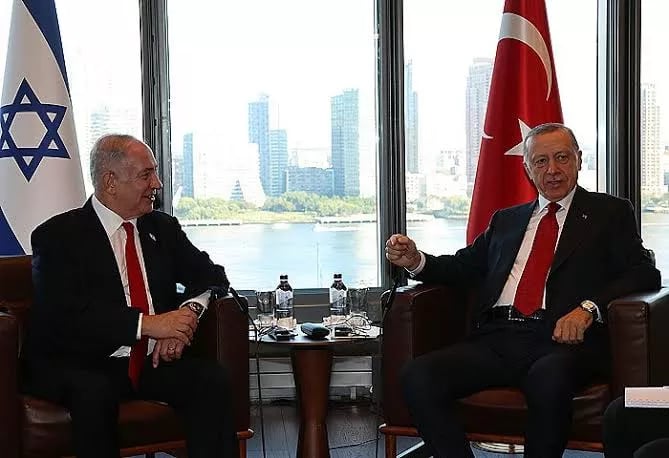
Netanyahu Prepares ICC Legal Case Against Turkish President Erdoğan
 Gulf
Turkey, Pakistan, Saudi military chiefs meet in Riyadh over Houthi threats
 Diplomacy
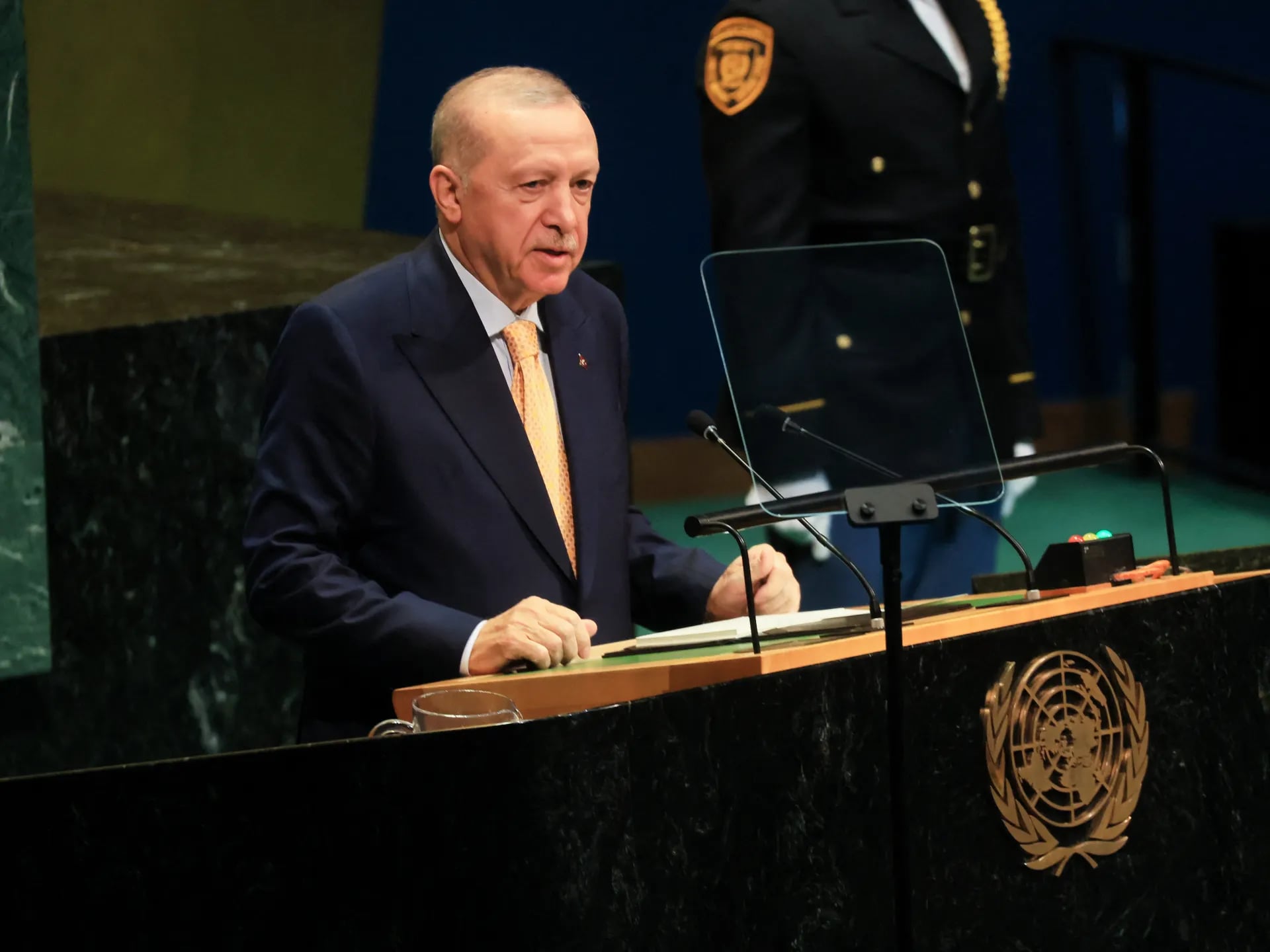
Turkish President Erdogan Condemns Israel's 'Genocidal Mindset' at UN Assembly
 Diplomacy
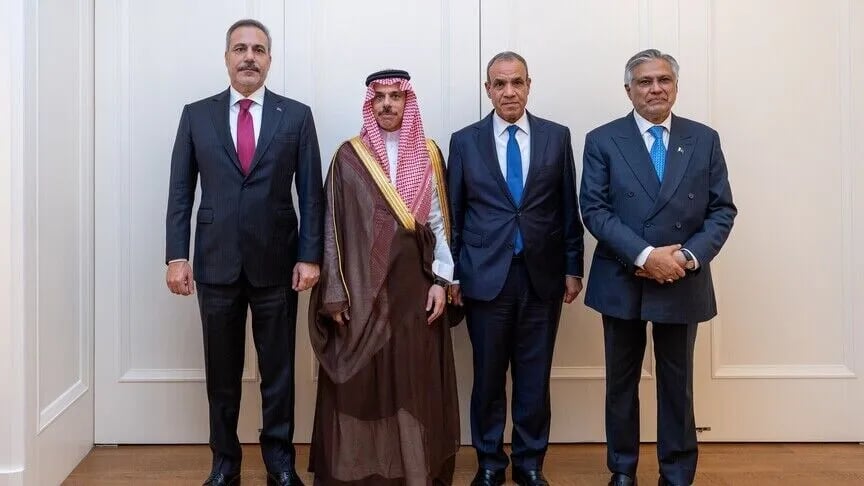
Turkish FM Fidan Leads Sixth Multilateral Meeting with Egypt, Pakistan, Saudi Arabia
 Turkey