

Qatar, Saudi Arabia push LNG and oil shipments despite Red Sea attacks
Gulf oil and liquefied natural gas producers are maintaining export loadings despite a renewed wave of Houthi attacks on vessels in the Red Sea, according to a Business Times report citing shipping and trade data. Producers including Saudi Arabia and Qatar have continued to dispatch crude and LNG cargoes, with loading volumes holding steady even as some shippers reroute vessels or pay higher war-risk insurance premiums.
The attacks have disrupted traffic through the Bab el-Mandeb strait and the Suez Canal, the shortest sea route between the Gulf and Europe. Many tankers have diverted around the Cape of Good Hope, adding days and cost to voyages, while others continue to transit the Red Sea under naval escort or with adjusted insurance arrangements. Despite the disruption, regional energy flows to global markets have largely been sustained.
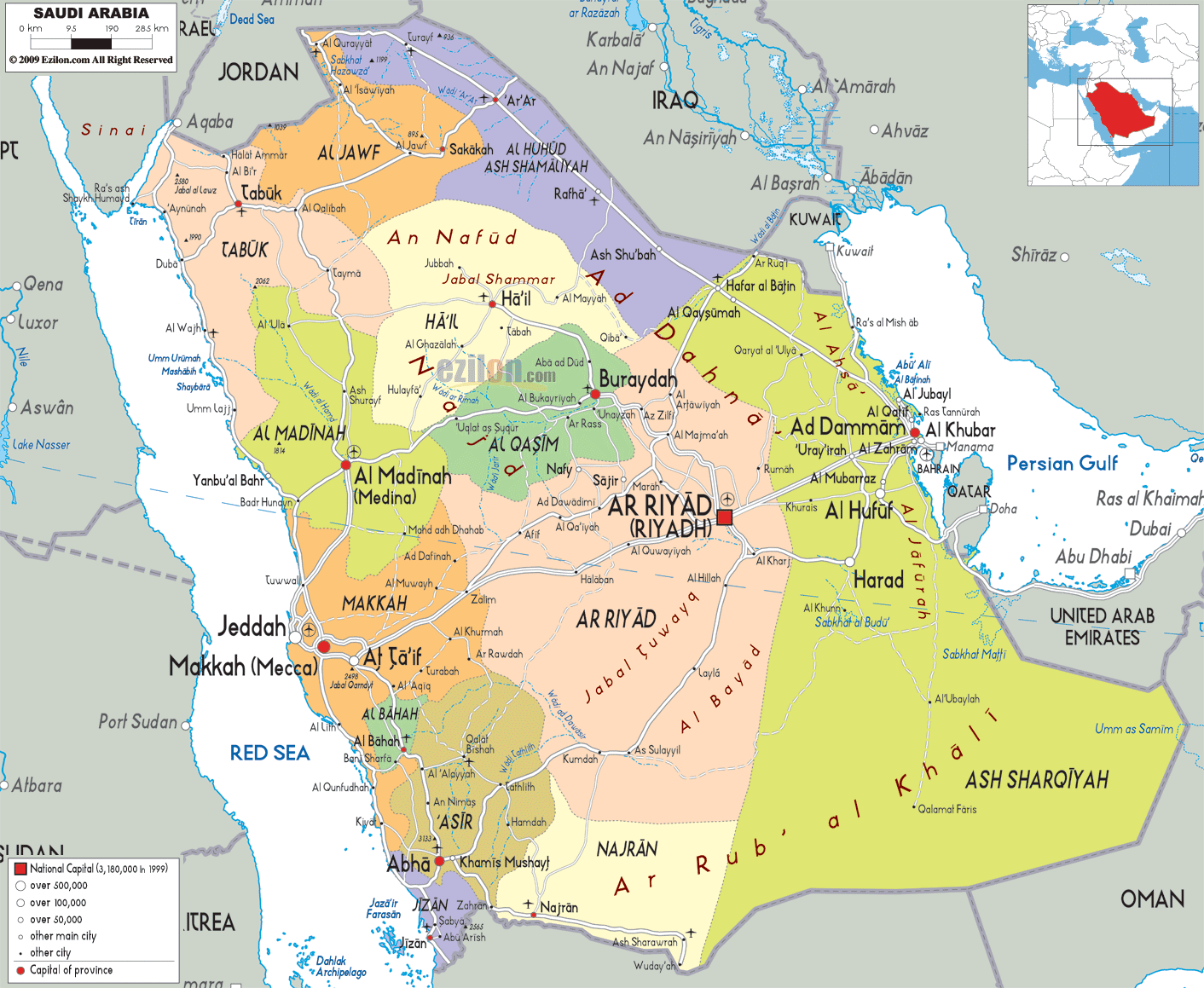
For Qatar, the world's leading LNG exporter alongside the United States and Australia, the bulk of cargoes move eastward through the Strait of Hormuz toward Asian buyers, limiting direct exposure to the Red Sea threat, though Europe-bound shipments are more affected. Saudi Arabia ships crude from terminals on both its Gulf coast and its Red Sea coast at Yanbu, fed by the east-west pipeline that can bypass the Strait of Hormuz.
The continued loadings underline the determination of Gulf producers to keep energy supplies flowing to international markets amid heightened maritime risk in one of the world's most important shipping corridors.
النسخة العربية
منتجو الخليج يواصلون تصدير النفط والغاز رغم الهجمات على السفن
يواصل منتجو النفط والغاز الطبيعي المسيّل في الخليج عمليات الشحن والتصدير رغم تجدد الهجمات الحوثية على السفن في البحر الأحمر، وفق تقرير لصحيفة بزنس تايمز استند إلى بيانات الشحن والتجارة. وقد استمرت دول من بينها السعودية وقطر في إرسال شحنات النفط الخام والغاز المسيّل، مع بقاء أحجام التحميل مستقرة، حتى مع لجوء بعض شركات الشحن إلى تغيير المسارات أو دفع أقساط تأمين أعلى لمواجهة مخاطر الحرب.
وأدت الهجمات إلى اضطراب حركة الملاحة عبر مضيق باب المندب وقناة السويس، أقصر طريق بحري بين الخليج وأوروبا. وحوّلت ناقلات عديدة مسارها لتدور حول رأس الرجاء الصالح، ما أضاف أياماً وتكاليف على الرحلات، فيما واصلت أخرى العبور في البحر الأحمر تحت حماية بحرية أو بترتيبات تأمينية معدّلة. ورغم هذا الاضطراب، ظل تدفق الطاقة الإقليمية إلى الأسواق العالمية مستمراً في معظمه.
وبالنسبة لقطر، أكبر مصدّر للغاز المسيّل في العالم إلى جانب الولايات المتحدة وأستراليا، فإن معظم شحناتها تتجه شرقاً عبر مضيق هرمز نحو المشترين الآسيويين، ما يحدّ من تعرّضها المباشر لتهديد البحر الأحمر، فيما تتأثر الشحنات المتجهة إلى أوروبا أكثر. أما السعودية فتصدّر الخام من موانئ على ساحليها الخليجي والأحمر عند ينبع، الذي يغذّيه خط الأنابيب الواصل بين الشرق والغرب القادر على تجاوز مضيق هرمز.
Source tweet
Gulf oil and LNG producers continue shipping operations despite Houthi attacks on Red Sea vessels. Qatar, Saudi Arabia, and regional partners maintain energy exports, underscoring regional resilience and commitment to global energy markets.
More Stories
 Gulf
GulfTurkey, Pakistan, Saudi military chiefs meet in Riyadh over Houthi threats
 BREAKING
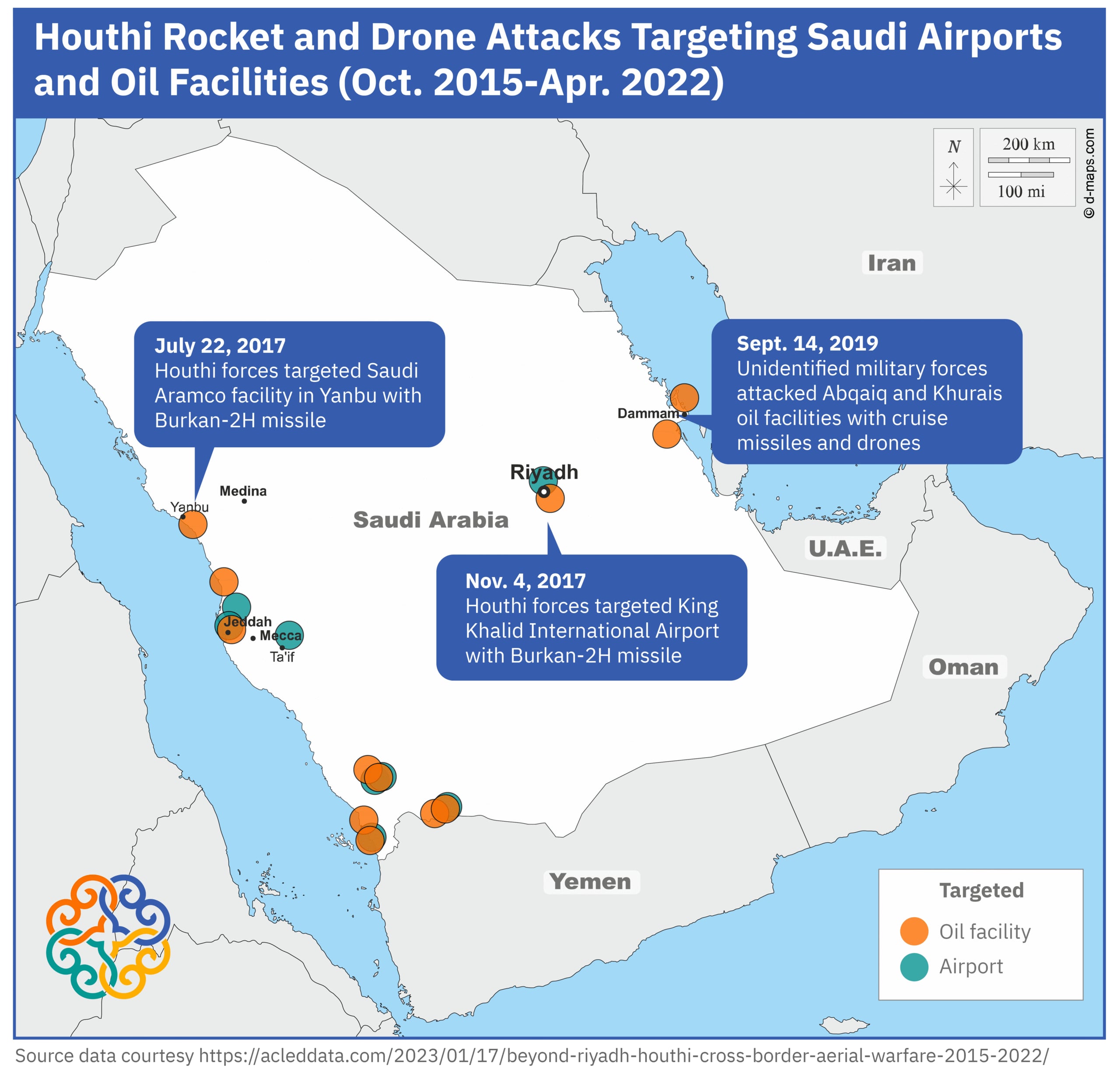
Saudi-Led Military Alliance Intercepts Houthi Attacks on Riyadh
 Diplomacy
Secret U.S.-Houthi Talks in Muscat May Push Saudi Arabia Toward China
 Diplomacy
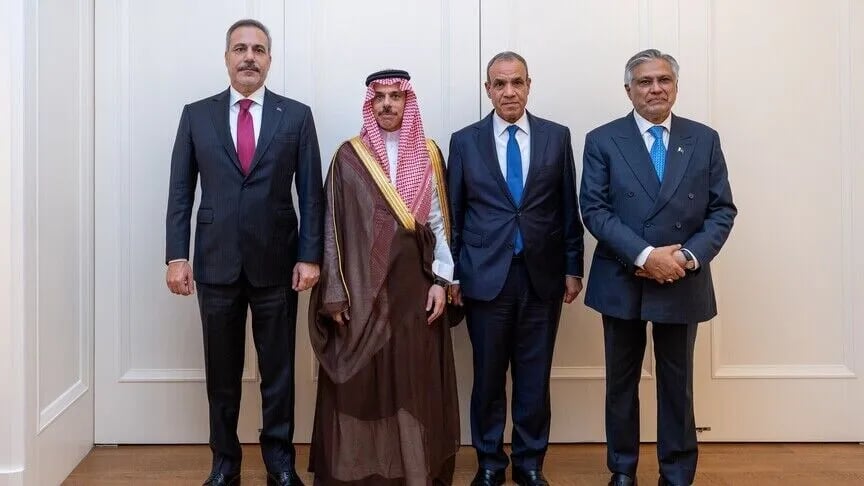
Turkish FM Fidan Leads Sixth Multilateral Meeting with Egypt, Pakistan, Saudi Arabia
 Diplomacy