

Saudi Arabia and UAE accelerate Red Sea pipeline and port investments
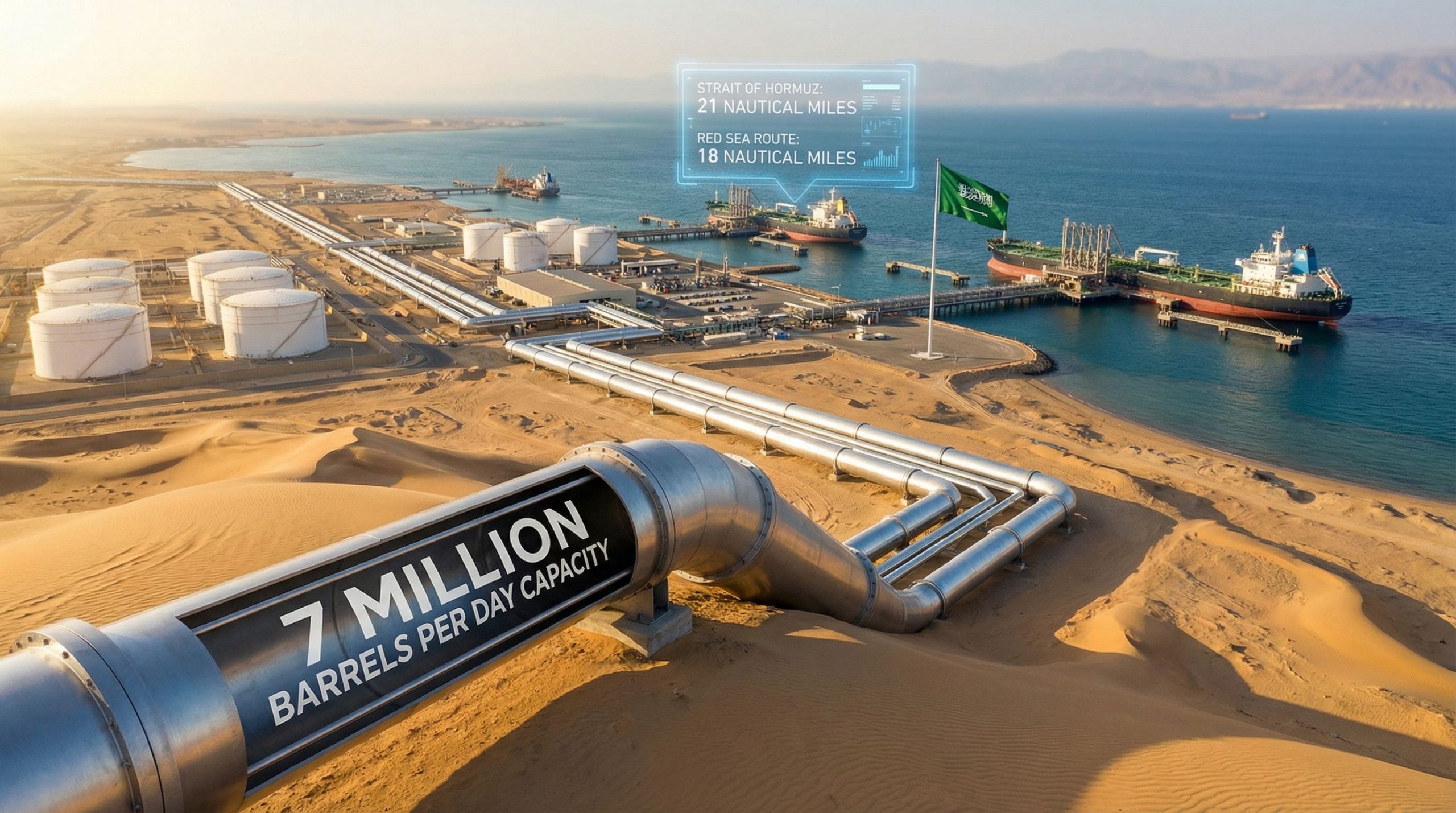
Saudi Arabia and the United Arab Emirates are accelerating billions of dollars in new pipeline and port investments across the Red Sea and the wider Gulf, part of a strategic push to build export routes that bypass the Strait of Hormuz as regional tensions persist. The push follows renewed alarm over Hormuz, the narrow waterway between Iran and Oman through which roughly a fifth of global oil supply transits, after repeated threats to shipping during periods of heightened Iran-linked conflict. Riyadh has continued expansion work tied to its Red Sea coast projects, including infrastructure supporting NEOM and other giga-projects under Vision 2030, while also examining additional capacity for its East-West pipeline, which already allows Saudi crude to reach Red Sea export terminals at Yanbu without transiting Hormuz at all. In the UAE, investment is concentrated on Fujairah, the emirate's Indian Ocean-facing port on the Gulf of Oman, where container-terminal and storage expansions are underway to reinforce it as an alternative export and bunkering hub outside the strait. The Abu Dhabi Crude Oil Pipeline already carries crude from onshore fields directly to Fujairah, giving the UAE existing bypass capacity that these new investments aim to deepen. For Qatar and the wider Gulf, the buildout underscores a shared regional interest in diversifying energy export infrastructure away from a single chokepoint, even as Doha's own LNG exports via the Gulf remain more directly exposed to any disruption at Hormuz than Saudi or Emirati crude flows now routed through the Red Sea and Fujairah.
النسخة العربية
السعودية والإمارات تسرعان استثمارات الموانئ والخطوط الأنابيب في البحر الأحمر
تسرّع السعودية والإمارات استثمارات بمليارات الدولارات في مشاريع جديدة للموانئ وخطوط الأنابيب في البحر الأحمر ومنطقة الخليج الأوسع، في إطار توجه استراتيجي لبناء طرق تصدير بديلة تتجاوز مضيق هرمز وسط استمرار التوترات الإقليمية. ويأتي هذا التوجه بعد تجدد المخاوف بشأن مضيق هرمز، الممر المائي الضيق الفاصل بين إيران وعُمان الذي يمر عبره نحو خمس الإمدادات النفطية العالمية، عقب تهديدات متكررة استهدفت الملاحة خلال فترات تصاعد التوتر المرتبط بإيران. وتواصل الرياض أعمال التوسع المرتبطة بمشاريعها على ساحل البحر الأحمر، بما في ذلك البنية التحتية الداعمة لمشروع نيوم وغيره من المشاريع العملاقة ضمن رؤية 2030، كما تدرس زيادة الطاقة الاستيعابية لخط الأنابيب الشرقي-الغربي الذي يتيح بالفعل نقل النفط السعودي الخام إلى محطات التصدير على البحر الأحمر في ينبع دون المرور عبر مضيق هرمز إطلاقاً. أما في الإمارات، فتتركز الاستثمارات على الفجيرة، الإمارة المطلة على المحيط الهندي عند خليج عُمان، حيث تجري توسعات في محطات الحاويات ومرافق التخزين لتعزيز مكانتها كمركز بديل للتصدير والتزود بالوقود خارج نطاق المضيق. ويربط بالفعل خط أنابيب النفط الخام بين أبوظبي والفجيرة الحقول البرية مباشرة بميناء الفجيرة، ما يمنح الإمارات قدرة قائمة على تجاوز المضيق تسعى هذه الاستثمارات الجديدة إلى تعزيزها. وبالنسبة لقطر والخليج عموماً، يعكس هذا التوسع مصلحة إقليمية مشتركة في تنويع البنية التحتية لتصدير الطاقة بعيداً عن الاعتماد على ممر واحد، حتى وإن ظلت صادرات قطر من الغاز الطبيعي المسال عبر الخليج أكثر عرضة بشكل مباشر لأي اضطراب في مضيق هرمز مقارنة بتدفقات النفط السعودي أو الإماراتي التي باتت تمر الآن عبر البحر الأحمر والفجيرة.
Source tweet
Saudi Arabia and UAE are investing billions in new pipelines and ports across the Red Sea and Gulf, bypassing the Strait of Hormuz amid regional tensions. Projects include Red Sea expansions and Fujairah container terminals for alternative export routes.
More Stories
 Gulf
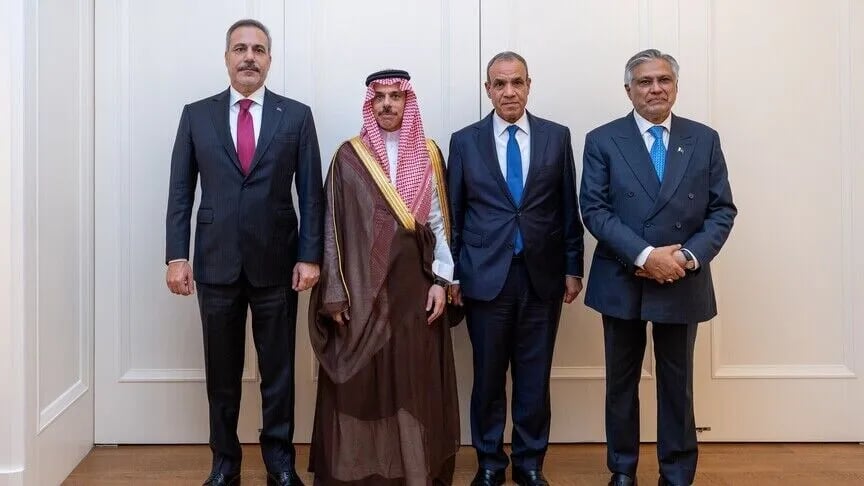
GulfTurkey, Pakistan, Saudi military chiefs meet in Riyadh over Houthi threats
 BREAKING
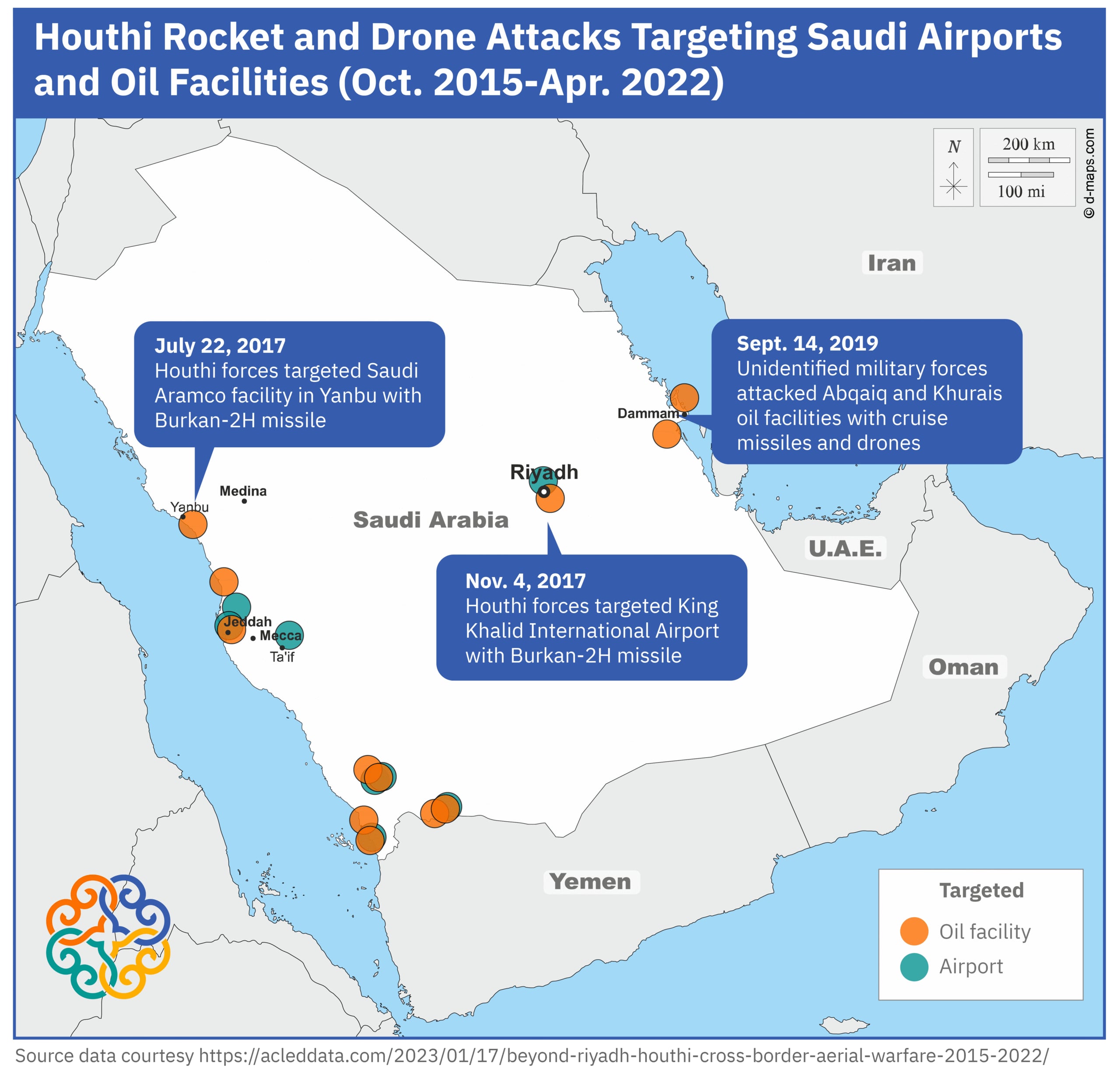
Saudi-Led Military Alliance Intercepts Houthi Attacks on Riyadh
 Africa
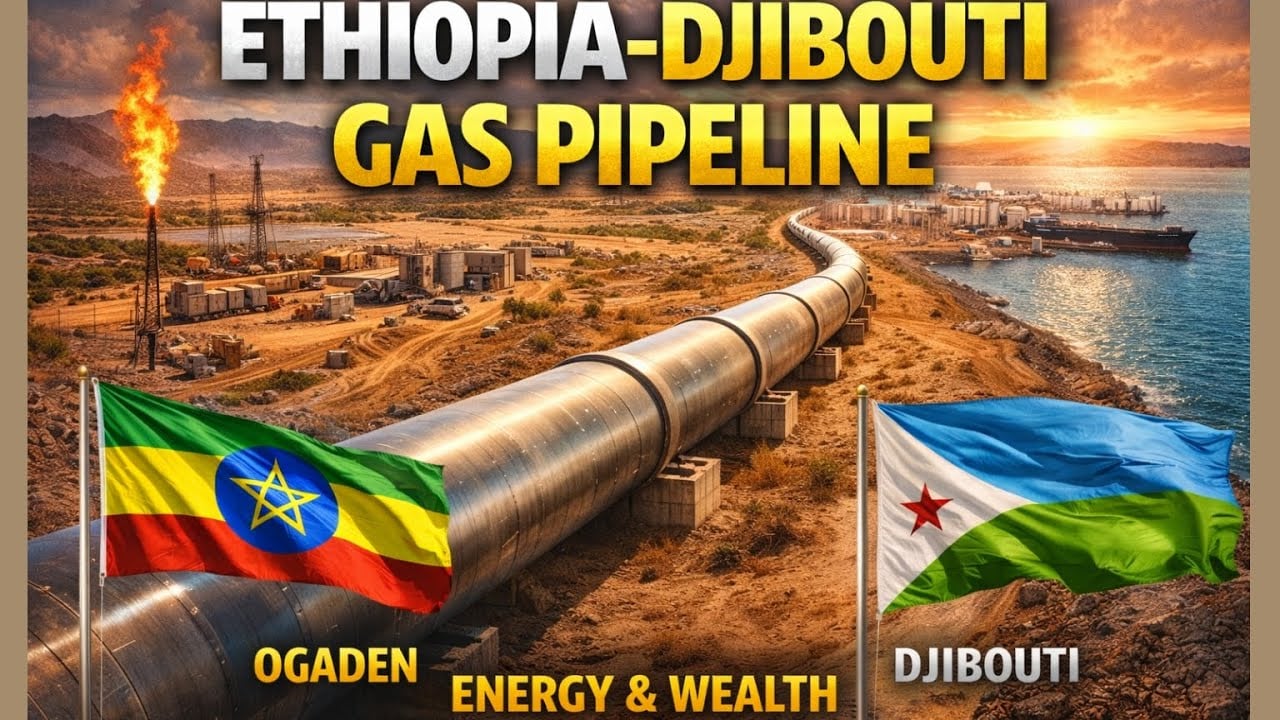
Dangote and Ethiopia to Build $660m Djibouti Fuel Pipeline
 Diplomacy
Secret U.S.-Houthi Talks in Muscat May Push Saudi Arabia Toward China
 Diplomacy