

Saudi Oil Pipeline Hit by Iraqi Drones; Diesel Climbs to $6 Amid Global Supply Crisis
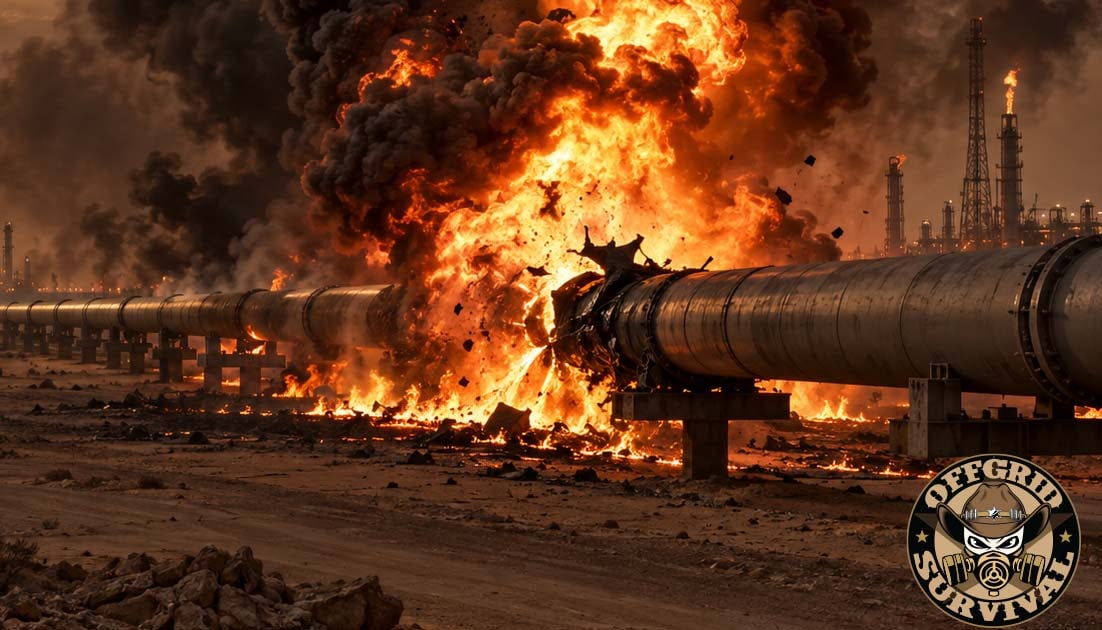
Iraqi drones struck Saudi Arabia's East-West pipeline on September 12, disrupting one of the world's most critical oil arteries and deepening a global fuel crisis. The attack halted the flow of approximately 5 million barrels of crude daily, representing 4–5 percent of global oil supply. The disruption marks a significant escalation in aerial attacks on Saudi energy infrastructure and immediate consequences rippled through energy markets within hours.
Diesel prices surged to $6.05 per gallon in the aftermath, reflecting a 63 percent year-over-year increase that threatens supply chains across manufacturing, transport, and agriculture worldwide. Oil prices climbed as traders factored in sustained supply constraints, with Brent crude and West Texas Intermediate both registering sharp gains. The attack exposes the vulnerability of centralized energy infrastructure to drone strikes and raises urgent questions about market resilience as geopolitical tensions persist across the region.
The East-West pipeline, also known as the Petroline, is among Saudi Aramco's most strategically important export corridors, capable of moving crude from the eastern oilfields to export terminals on the Red Sea coast. Its disruption bypasses the Strait of Hormuz, traditionally one of the world's chokepoints; loss of this alternate route concentrates shipping pressure back onto that critical waterway and reduces Saudi export flexibility. Industry analysts estimate restoration could take weeks if infrastructure damage proves substantial.
For the Gulf region and global markets, the attack underscores escalating risks to energy infrastructure. Qatar, as a major liquefied natural gas exporter and OPEC member with significant oil reserves, faces both opportunities and risks: higher energy prices support export revenues, but sustained instability threatens regional economic cooperation and investment. The incident also reinforces concerns about the cost of regional conflict—every percentage point of global oil supply lost threatens inflation, recession risks, and economic hardship across importing nations.
Saudi Arabia has not released formal damage assessments, and coalition responses remain under discussion. Energy markets are pricing in extended supply tightness, with refiners booking additional crude from alternative suppliers and governments reviewing strategic petroleum reserves. The attack demonstrates that despite air defenses, modern energy infrastructure remains susceptible to sustained drone operations, a reality that will shape energy policy and security spending throughout the region for months ahead.
النسخة العربية
طائرات بدون طيار عراقية تقصف خط أنابيب السعودية الشرقي؛ ارتفاع ديزل إلى 6 دولارات
طائرات بدون طيار عراقية قصفت خط الأنابيب الشرقي-الغربي السعودي في الثاني عشر من سبتمبر، مما أدى إلى توقف أحد أهم شرايين النقل النفطي في العالم وتعميق أزمة الوقود العالمية. أوقف الهجوم تدفق حوالي خمسة ملايين برميل من النفط الخام يومياً، ما يمثل 4 إلى 5 في المئة من إمدادات النفط العالمية. يعتبر هذا الاضطراب تصعيداً كبيراً في الهجمات الجوية على البنية التحتية للطاقة السعودية، وانعكست الآثار الفورية على أسواق الطاقة في غضون ساعات.
ارتفعت أسعار الديزل إلى 6.05 دولار للغالون في أعقاب الهجوم، محققة زيادة بنسبة 63 في المئة سنة على سنة، مما يهدد سلاسل التوريد عبر التصنيع والنقل والزراعة في جميع أنحاء العالم. ارتفعت أسعار النفط الخام حيث أدرج المتداولون القيود المستمرة على الإمدادات في حساباتهم، حيث سجلت نفط برنت والخام الأمريكي كلاهما مكاسب حادة. يكشف الهجوم عن ضعف البنية التحتية المركزية للطاقة تجاه هجمات الطائرات بدون طيار ويثير أسئلة عاجلة حول قدرة الأسواق على الصمود مع استمرار التوترات الجيوسياسية عبر المنطقة.
يُعتبر خط الأنابيب الشرقي-الغربي، المعروف أيضاً باسم خط أنابيب البترول، من أهم الممرات التصديرية الاستراتيجية لشركة أرامكو السعودية، وقادراً على نقل النفط الخام من حقول الشرق إلى محطات التصدير على ساحل البحر الأحمر. يجنب توقفه مضيق هرمز، التقليدي كاختناق عالمي رئيسي؛ فقدان هذا الممر البديل يركز ضغط الشحن مجدداً على تلك الممرات الحرجة ويقلل مرونة الصادرات السعودية. يقدّر محللو الصناعة أن الاستعادة قد تستغرق أسابيع إذا ثبت أن الضرر في البنية التحتية كبيراً.
Source tweet
Iraqi drones struck Saudi Arabia's East-West pipeline on September 12. The attack disrupts 5 million barrels daily, 4-5% of global supply. Diesel surged to $6.05 per gallon—up 63% year-over-year—threatening supply chains and economic stability.
More Stories
 Diplomacy
Pakistan, Turkey, Saudi Arabia Strengthen Defense Alliance Amid Regional Shifts
 Africa
Saudi Arabia targets East African ports and minerals with $15.6B investment
 Economy
Saudi Arabia and UAE accelerate Red Sea pipeline and port investments
 Gulf
GulfSaudi Arabia, Turkey, UAE deepen strategic competition for African influence
 Gulf
Gulf