

Trump Unwilling to Negotiate Ceasefire with Iran Without Favorable Terms
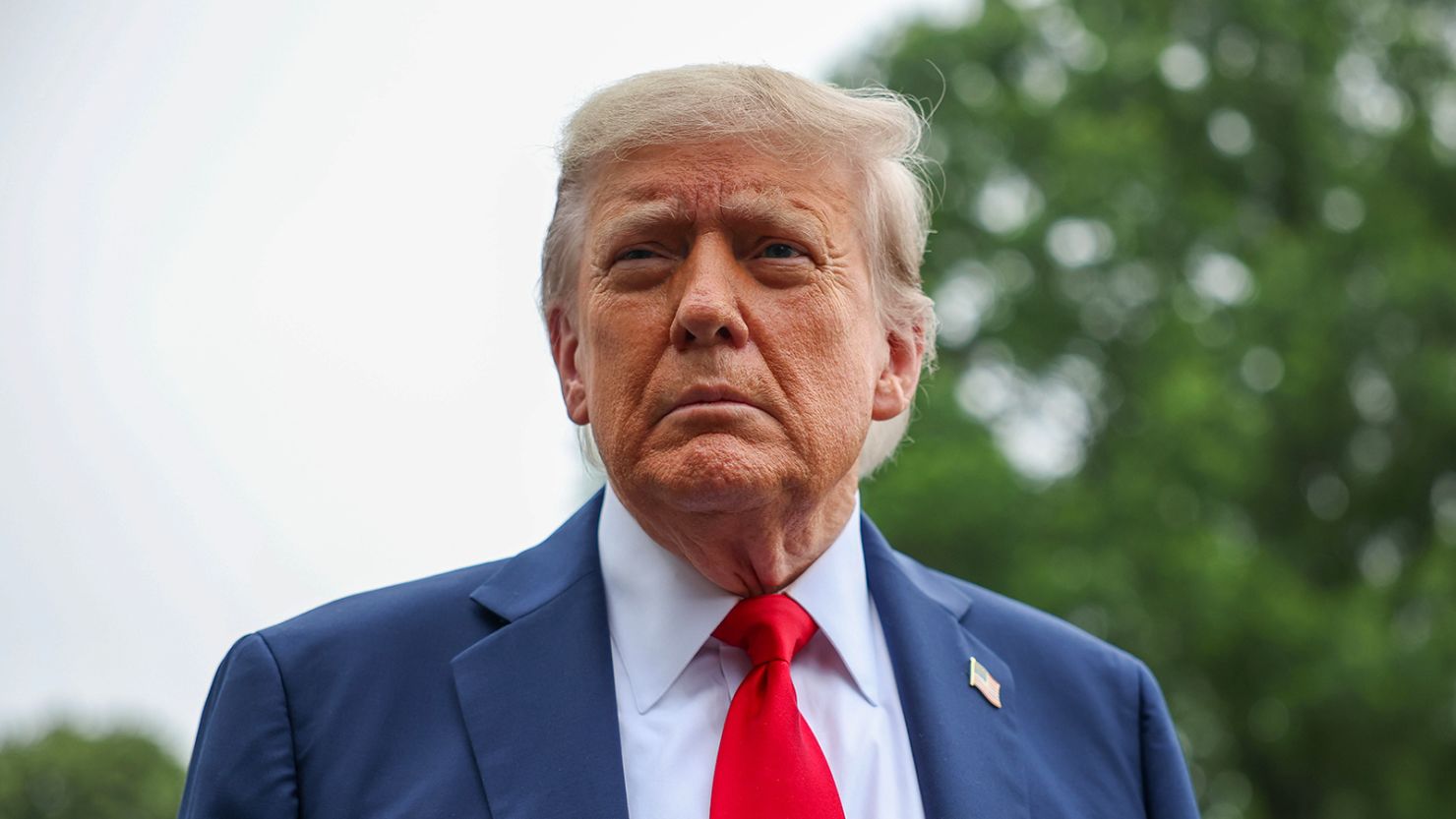
Former President Donald Trump has firmly rejected the prospect of negotiating a ceasefire with Iran unless the terms are significantly more favorable to the United States. This stance follows Iran's expressed willingness to engage in discussions, underscoring the ongoing tensions surrounding the critical Strait of Hormuz, a vital maritime route for global oil shipments.
The Strait of Hormuz connects the Persian Gulf with the Gulf of Oman and serves as a strategic chokepoint through which approximately 20% of the world's oil passes. Any disruption in this area can have far-reaching implications for global energy markets and international relations. Trump's refusal to negotiate under current circumstances signals a continuation of his hardline approach toward Iran, a hallmark of his foreign policy agenda. His administration previously withdrew from the Joint Comprehensive Plan of Action (JCPOA) in 2018, leading to increased tensions and a series of confrontations between the two nations.
The significance of Trump's position extends beyond its immediate implications for U.S.-Iran relations; it also affects the broader geopolitical landscape of the Middle East. The refusal to negotiate a ceasefire could exacerbate existing tensions, particularly as Iran continues to expand its regional influence through proxy groups and military capabilities. The potential for conflict in the region remains a concern for many countries, especially those in the Gulf Cooperation Council (GCC), which includes Qatar, Saudi Arabia, and the United Arab Emirates.
Iran's willingness to engage in dialogue may be seen as an attempt to alleviate the mounting pressure from international sanctions and military posturing. However, Trump's insistence on favorable terms suggests that he prioritizes U.S. interests and security concerns over diplomatic engagement. This approach may resonate with certain factions within the U.S. political landscape that advocate for a more aggressive stance against Tehran.
From a Gulf perspective, the situation remains precarious. Countries in the region are acutely aware of the potential fallout from a breakdown in negotiations. The GCC states have historically been wary of Iran's ambitions and have sought to bolster their defenses in response to perceived threats. Ongoing tensions could lead to increased military expenditures and a re-evaluation of alliances within the region.
As the situation develops, the Gulf states will likely continue to monitor the dynamics between the U.S. and Iran closely. The outcome of this standoff could have significant implications for regional stability, energy security, and the future of diplomatic relations in the Middle East. The current trajectory suggests that without a shift in approach from either side, the prospect of a peaceful resolution remains uncertain.
النسخة العربية
ترامب يرفض التفاوض مع إيران إلا بشروط ملائمة للولايات المتحدة
أعلن الرئيس الأمريكي السابق دونالد ترامب أنه غير مستعد للتفاوض على وقف إطلاق النار مع إيران إلا إذا كانت الشروط أكثر ملاءمة للولايات المتحدة. تأتي هذه التصريحات في وقت تشهد فيه العلاقات الأمريكية الإيرانية توتراً متزايداً، حيث تسعى واشنطن إلى فرض شروط صارمة على طهران تتعلق ببرنامجها النووي ونفوذها الإقليمي.
تاريخياً، كانت العلاقات بين الولايات المتحدة وإيران معقدة ومتوترة، خاصة منذ انسحاب واشنطن من الاتفاق النووي الإيراني في عام 2018، والذي كان يهدف إلى تقييد برنامج إيران النووي مقابل تخفيف العقوبات الاقتصادية. ومع تصاعد التوترات في الشرق الأوسط، أصبحت مسألة التوصل إلى اتفاق لوقف إطلاق النار أكثر إلحاحاً، خاصة في ظل التوترات المستمرة في المنطقة وتأثيرها على الاستقرار الإقليمي والدولي.
منذ تولي ترامب الرئاسة، تبنت إدارته سياسة الضغط الأقصى على إيران، والتي تضمنت فرض عقوبات اقتصادية قاسية بهدف إجبار طهران على العودة إلى طاولة المفاوضات بشروط جديدة. وقد أثارت هذه السياسة ردود فعل متباينة على الصعيد الدولي، حيث اعتبر البعض أنها تزيد من حدة التوترات في المنطقة، بينما رأى آخرون أنها قد تدفع إيران في النهاية إلى تقديم تنازلات.
Source tweet
🚨 BREAKING | Trump refuses to negotiate a ceasefire with Iran Despite Iran's willingness to engage, Trump insists terms must be more favorable, citing the critical situation in the Strait of Hormuz as a key factor in discussions. #USA #ME #BreakingNews
More Stories
 Diplomacy
Trump Doubts Iran Ceasefire
 Gulf
GulfIran Responds to Ceasefire
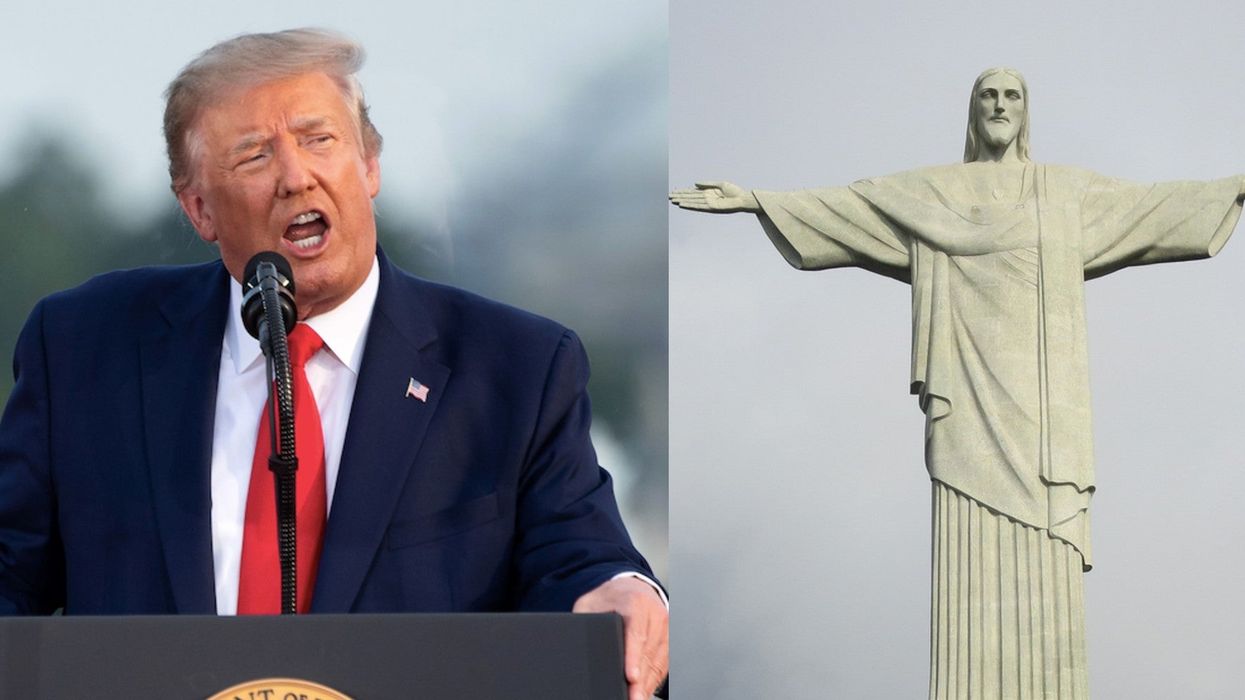
Trump's Jesus Post Sparks Disapproval From 80% of His Supporters
 BREAKING
Most Americans reject Trump as Jesus image
 BREAKING