
UAE Exits OPEC: Saudi Arabia Rift Deepens Over 2026 Oil Production Quotas
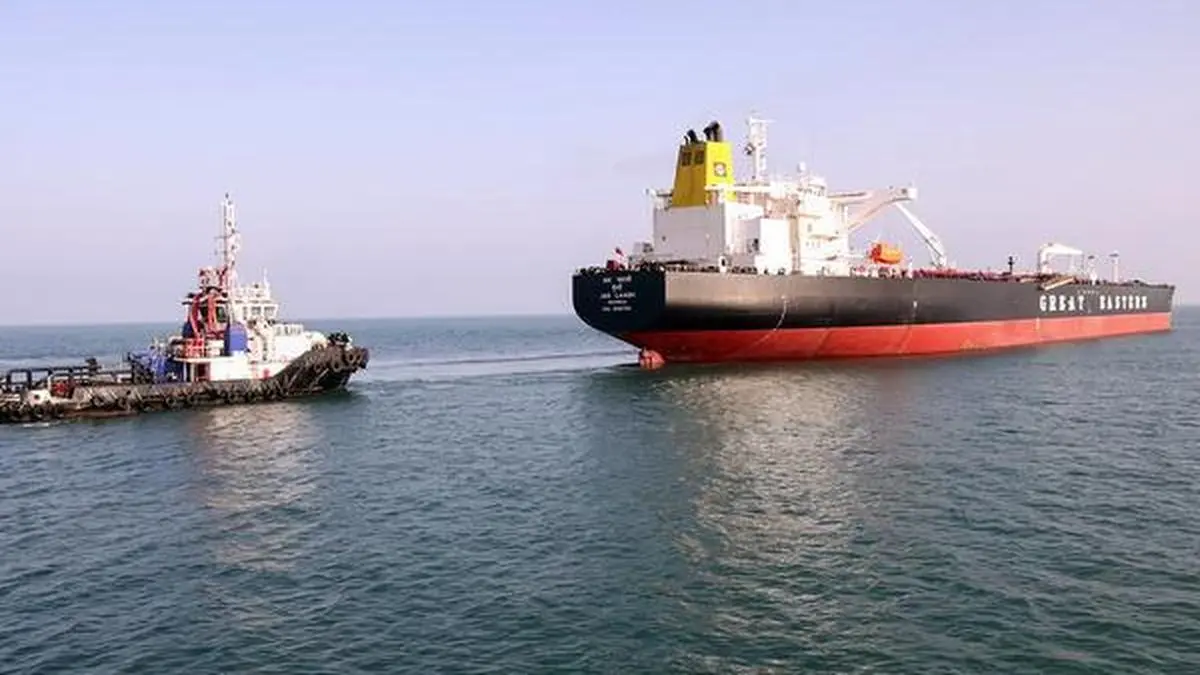
The United Arab Emirates has exited the Organization of the Petroleum Exporting Countries, deepening a rift with Saudi Arabia that has been exacerbated by fallout from the Iran war. This move marks a significant development in the region's oil politics, as the UAE prioritizes its autonomy over the Riyadh-led oil governance structure that has long dominated the global energy landscape. The UAE's decision to leave OPEC is a clear indication of the growing tensions between Abu Dhabi and Riyadh, which have been simmering for some time.
The context of the UAE's exit from OPEC is rooted in the country's desire to assert its independence and pursue its own energy interests, rather than being bound by the collective decisions of the cartel. This desire for autonomy has been driven in part by the UAE's rapidly expanding energy sector, which has seen significant investment in recent years. The country's oil production has increased substantially, and it has become a major player in the global energy market. However, this growth has also created tensions with Saudi Arabia, which has long been the dominant force within OPEC. The two countries have had differing views on oil production levels and pricing, with the UAE seeking to increase its own production and exports, while Saudi Arabia has sought to maintain its control over the global oil market.
The UAE's exit from OPEC has significant implications for the global energy market, as it could potentially lead to increased competition and volatility in oil prices. Analysts see the move as a clear indication of the UAE's desire to break free from Saudi Arabia's dominance and pursue its own energy agenda. The rift between the two countries has been exacerbated by the Iran war, which has created uncertainty and instability in the region. The UAE's decision to leave OPEC is likely to have far-reaching consequences, not just for the global energy market, but also for the regional dynamics of the Middle East.
The UAE's exit from OPEC is a significant development that could have implications for the region's energy politics from a Qatar and Gulf perspective. Qatar, which has its own significant energy reserves, has long been a major player in the global gas market, and has sought to maintain its independence from Saudi Arabia's dominance. The UAE's decision to leave OPEC could potentially create new opportunities for Qatar to expand its own energy influence in the region, and to pursue its own agenda without being bound by the collective decisions of the cartel. As the regional energy landscape continues to evolve, it is likely that Qatar and other Gulf states will be watching the UAE's move closely, and considering their own options for navigating the changing dynamics of the global energy market.
النسخة العربية
الإمارات تخرج من أوبك وتتعمق الهوة مع السعودية
الإمارات العربية المتحدة أعلنت خروجها من منظمة الدول المصدرة للبترول (أوبك)، وهو خطوة تعكس التوترات المتزايدة مع المملكة العربية السعودية. هذا الخروج يأتي في وقت تشهد المنطقة توترات دبلوماسية واقتصادية متزايدة، خاصة بعد الأحداث المتعلقة بالحرب مع إيران.
تعتبر الإمارات والسعودية من أبرز أعضاء أوبك، وتمثلان معاً جزءاً كبيراً من إنتاج البترول في المنظمة.然而، بدأت الإمارات تتبنى سياسة أكثر استقلالية في السنوات الأخيرة، مما أدى إلى توتر العلاقات مع السعودية. يرى المحللون أن هذا الخروج يظهر أن أبوظبي تُعطي الأولوية للاستقلالية في إدارة صناعة البترول الخاصة بها على الحكامة التي تقودها الرياض.
يُعتبر هذا الخروج خطوة كبيرة في تاريخ العلاقات بين الإمارات والسعودية، ويعكس التغييرات في السياسات الاقتصادية والطاقة في المنطقة. يُتوقع أن يكون لهذا الخروج تأثير على أسعار البترول العالمية، حيث قد تؤدي الإمارات إلى زيادة إنتاجها دون الالتزام بالحصص التي تفرضها أوبك. يُشير هذا التطور إلى أن هناك تحولاً في موازين القوى في سوق النفط العالمية، وسيحتاج المستهلكون والمستثمرون إلى متابعة التطورات في هذا القطاع بدقة.
Source tweet
UAE exits OPEC, deepening rift with Saudi Arabia 🇦🇪
More Stories
 Gulf
GulfQatari Emir Arrives in Jeddah, Saudi Arabia
 Diplomacy
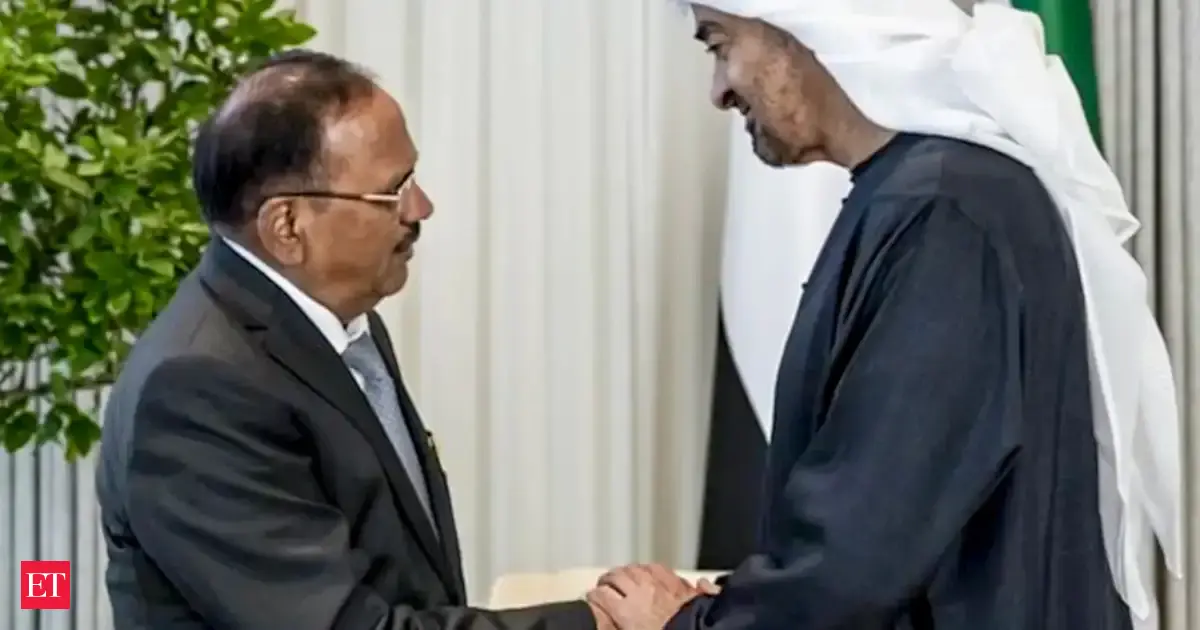
Ajit Doval visits UAE, Saudi Arabia
 Economy
Saudi PIF, UAE Buy Paramount Stake: Why Gulf Wants US Media in 2026
 Diplomacy
Costa visits UAE, Saudi, Qatar
 Diplomacy