
UN Secretary-General Warns Strait of Hormuz Restrictions Disrupt Global Economy and Energy Markets

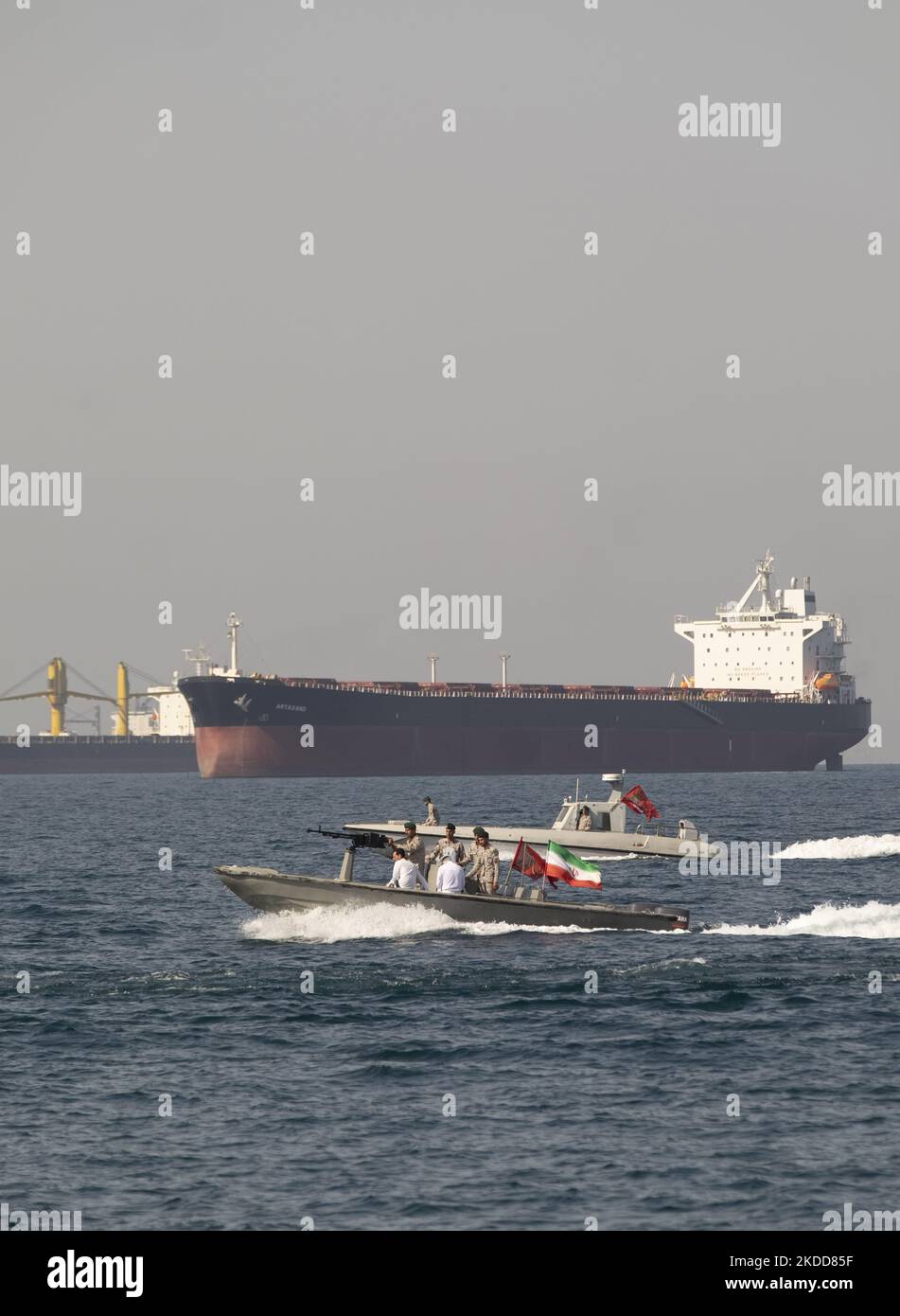
United Nations Secretary-General António Guterres warned on Thursday that any restriction of navigation rights in the Strait of Hormuz would inflict severe damage on global energy, transport, manufacturing, and food markets, urging all parties to exercise restraint and pursue urgent diplomatic engagement to prevent further escalation in one of the world's most strategically vital waterways. Speaking through his office and quoted by Al Jazeera Mubasher, Guterres said any disruption to the narrow chokepoint between the Arabian Peninsula and Iran would ripple far beyond the Gulf, choking supply chains and threatening fragile post-pandemic recoveries across both developed and developing economies. The Strait of Hormuz, just 33 kilometers wide at its narrowest point, carries roughly one-fifth of the world's oil supply and a substantial share of liquefied natural gas exports, including nearly all of Qatar's LNG cargoes bound for Asia and Europe. Any sustained interference with shipping through the strait would have immediate consequences for global crude prices, shipping insurance costs, and consumer inflation. Energy analysts have repeatedly warned that even a partial closure could push oil prices well above one hundred dollars per barrel within days, while LNG markets, already tight after years of European diversification away from Russian gas, would face acute supply shocks. Guterres called for urgent dialogue and de-escalation, framing the freedom of navigation as a matter of international law under the United Nations Convention on the Law of the Sea, which guarantees transit passage through international straits. His remarks came amid heightened regional tensions and renewed concerns about the security of Gulf shipping lanes following a series of maritime incidents in recent months. For Qatar, the warning carries particular weight. As the world's third-largest LNG exporter, Doha relies almost exclusively on the strait to ship its energy cargoes from Ras Laffan to global markets, and has consistently championed dialogue, mediation, and de-escalation as the only viable path to regional stability. Qatari officials have long argued that the security of the Gulf is indivisible and that any military confrontation in the waterway would devastate the economies of all littoral states, including those not directly involved. Saudi Arabia, the United Arab Emirates, Kuwait, Bahrain, and Iraq are similarly dependent on the strait for the bulk of their hydrocarbon exports. Diplomatic sources in Doha indicated that Qatar continues to engage quietly with regional capitals to ensure that maritime routes remain open and that channels of communication between Tehran and Gulf Cooperation Council states remain active. The Secretary-General's intervention adds a powerful international voice to growing calls for restraint as the world economy braces for the consequences of any miscalculation in the Gulf.
النسخة العربية
الأمين العام للأمم المتحدة: تقييد الملاحة في مضيق هرمز يعطل أسواق الطاقة والنقل والتصنيع والغذاء، ويخنق الاقتصاد العالمي
حذّر الأمين العام للأمم المتحدة أنطونيو غوتيريش من أن أي تقييد لحقوق الملاحة في مضيق هرمز سيُلحق أضراراً جسيمة بأسواق الطاقة والنقل والتصنيع والغذاء على مستوى العالم، داعياً جميع الأطراف إلى ضبط النفس والانخراط في حوار عاجل لتفادي أي تصعيد إضافي في أحد أهم الممرات المائية الاستراتيجية في العالم. وقال غوتيريش، في تصريحات نقلتها قناة الجزيرة مباشر، إن أي اضطراب في هذا الممر الضيق الفاصل بين شبه الجزيرة العربية وإيران ستتجاوز تداعياته منطقة الخليج لتطال سلاسل الإمداد العالمية وتهدد التعافي الاقتصادي الهش في الدول المتقدمة والنامية على حدٍّ سواء. ويبلغ عرض مضيق هرمز في أضيق نقاطه نحو 33 كيلومتراً، ويمر عبره ما يقارب خُمس إمدادات النفط العالمية وحصة كبيرة من صادرات الغاز الطبيعي المسال، بما في ذلك معظم شحنات قطر المتجهة إلى أسواق آسيا وأوروبا. وأي تعطيل مستدام لحركة الملاحة في المضيق ستكون له انعكاسات فورية على أسعار النفط الخام وتكاليف التأمين البحري ومعدلات التضخم في أسواق المستهلكين. ويُحذّر محللو الطاقة من أن إغلاقاً جزئياً ولو لأيام قد يدفع أسعار النفط إلى ما فوق مئة دولار للبرميل، فيما ستواجه أسواق الغاز المسال، المتوترة أصلاً بعد ابتعاد أوروبا عن الغاز الروسي، صدمات عرض حادة. ودعا غوتيريش إلى حوار عاجل وتهدئة، مؤكداً أن حرية الملاحة مكفولة بموجب القانون الدولي واتفاقية الأمم المتحدة لقانون البحار التي تضمن حق المرور العابر في المضائق الدولية. وتأتي تصريحاته في ظل توترات إقليمية متصاعدة ومخاوف متجددة بشأن أمن الممرات البحرية الخليجية إثر سلسلة حوادث بحرية شهدتها الأشهر الأخيرة. ويكتسب التحذير الأممي أهمية خاصة بالنسبة لقطر، التي تُعدّ ثالث أكبر مُصدّر للغاز الطبيعي المسال في العالم، وتعتمد بشكل شبه كلي على مضيق هرمز لتصدير شحناتها من ميناء راس لفان إلى الأسواق الدولية. وقد دأبت الدوحة على تبني خيار الحوار والوساطة وخفض التصعيد باعتباره السبيل الوحيد لاستقرار الإقليم، مؤكدةً أن أمن الخليج لا يتجزأ، وأن أي مواجهة عسكرية في المضيق ستُدمّر اقتصادات الدول المُطلّة عليه جميعاً. وتعتمد كلٌّ من المملكة العربية السعودية والإمارات والكويت والبحرين والعراق على المضيق لتصدير الجزء الأكبر من نفطها وغازها. وتُشير مصادر دبلوماسية في الدوحة إلى أن قطر تواصل تحركاتها الهادئة مع العواصم الإقليمية لضمان بقاء الممرات البحرية مفتوحة، وإبقاء قنوات التواصل بين طهران ودول مجلس التعاون الخليجي نشطة. وتُضيف تصريحات غوتيريش صوتاً دولياً قوياً إلى الدعوات المتزايدة لضبط النفس فيما يستعد الاقتصاد العالمي لتداعيات أي حسابات خاطئة في الخليج.
Source tweet
🚨 UN Secretary-General warns that restricting navigation rights in the Strait of Hormuz disrupts energy, transport, manufacturing, and food markets, choking the global economy. This calls for urgent dialogue and de-escalation in a critical region.
More Stories
 money
moneyQatar Fuel Crisis 2026: Doha Petrol Stations Run Dry Amid Hormuz Tensions
 BREAKING
US-Iran Peace Talks Stall in 2026: Oil Hits 3-Week High on Hormuz Risk
 BREAKING
Oman Warns of Hormuz Closure 2026: Strait Diplomacy Risks Oil Spike
 Iran
IranUS Plans to Target Iran's Capabilities in Strait of Hormuz
 money
money