

Qatar Expat Remittances 2026: Hormuz Crisis Risks for Filipino, Indian Workers

The ongoing Middle East war is putting pressure on exports and may hit remittances, according to a commerce minister, sparking concerns for the millions of expats in Qatar who rely on remittances to support their families back home. The minister's warning highlights the potential risks to the financial stability of expats in the region, who send billions of dollars back to their home countries every year. With Qatar being a major hub for expats, the potential impact of the war on remittances could be significant, affecting not only the individuals but also the broader economy.
The context of the Middle East war and its potential impact on remittances is complex and multifaceted. The war has already disrupted trade and commerce in the region, leading to a decline in exports and a rise in costs for businesses. If the war continues to escalate, it could lead to a further decline in economic activity, making it difficult for expats to send money back home. Furthermore, the war has also led to a rise in inflation and a decline in the value of currencies in some countries, making it even more difficult for expats to support their families. In Qatar, where expats make up a significant proportion of the population, the potential impact of the war on remittances could be particularly significant.
The potential risks to expat remittances are not limited to the economic impact of the war. The conflict has also led to a rise in security concerns, making it more difficult for people to access banking services and send money across borders. Additionally, the war has also led to a rise in regulatory scrutiny, with some countries imposing stricter controls on money transfers. For expats in Qatar, this could mean that it becomes more difficult to send money back home, or that they face higher fees and charges for doing so.
In order to protect their finances, expats in Qatar should be aware of the potential risks and take steps to mitigate them. This could include diversifying their investments, building up their savings, and exploring alternative ways to send money back home. Expats should also stay informed about the latest developments in the war and the potential impact on remittances, and be prepared to adapt to changing circumstances. By taking these steps, expats in Qatar can help to protect their finances and ensure that they are able to continue supporting their families back home.
From a Qatar perspective, the potential impact of the war on remittances is a concern that needs to be taken seriously. The government and financial institutions in Qatar should work together to provide support and guidance to expats, and to ensure that they have access to safe and reliable ways to send money back home. By doing so, Qatar can help to mitigate the potential risks of the war and ensure that expats in the country are able to continue to support their families and contribute to the economy.
النسخة العربية
تحذير لرواتب المغتربين
حرب الشرق الأوسط تؤثر على رواتب المغتربين في قطر، حيث يعتمد ملايين الأشخاص على هذه الرواتب لضمان معيشتهم. وفقاً لتصريحات وزير التجارة، فإن الحرب تؤثر على الصادرات، مما قد يؤدي إلى تأثيرات سلبية على رواتب المغتربين.
تعد قطر واحدة من الدول التي تستضيف عدداً كبيراً من المغتربين، الذين يرسلون أموالهم إلى عائلاتهم في بلدانهم الأصلية. ومع استمرار الحرب في الشرق الأوسط، يزداد القلق بشأن تأثيراتها على هذه الرواتب. يشير وزير التجارة إلى أن الحرب تؤثر على الصادرات، مما قد يؤدي إلى انخفاض في الإيرادات وبالتالي تأثيرات سلبية على رواتب المغتربين.
يجب على الأفراد الذين يعتمدون على رواتب المغتربين أن يأخذوا إجراءات حماية لأموالهم، مثل تنويع مصادر الدخل وتخزين الأموال في حسابات آمنة. كما يجب على الحكومات والمنظمات الدولية بذل جهود لتحسين الوضع الاقتصادي وتقليل تأثيرات الحرب على رواتب المغتربين.
Source tweet
Middle East war affects expat remittances in Qatar. Learn how to protect your finances
More Stories
 Gulf
GulfQatar Eye World Cup Redemption as Al Haydos Backs Al Annabi's Chances
 Gulf
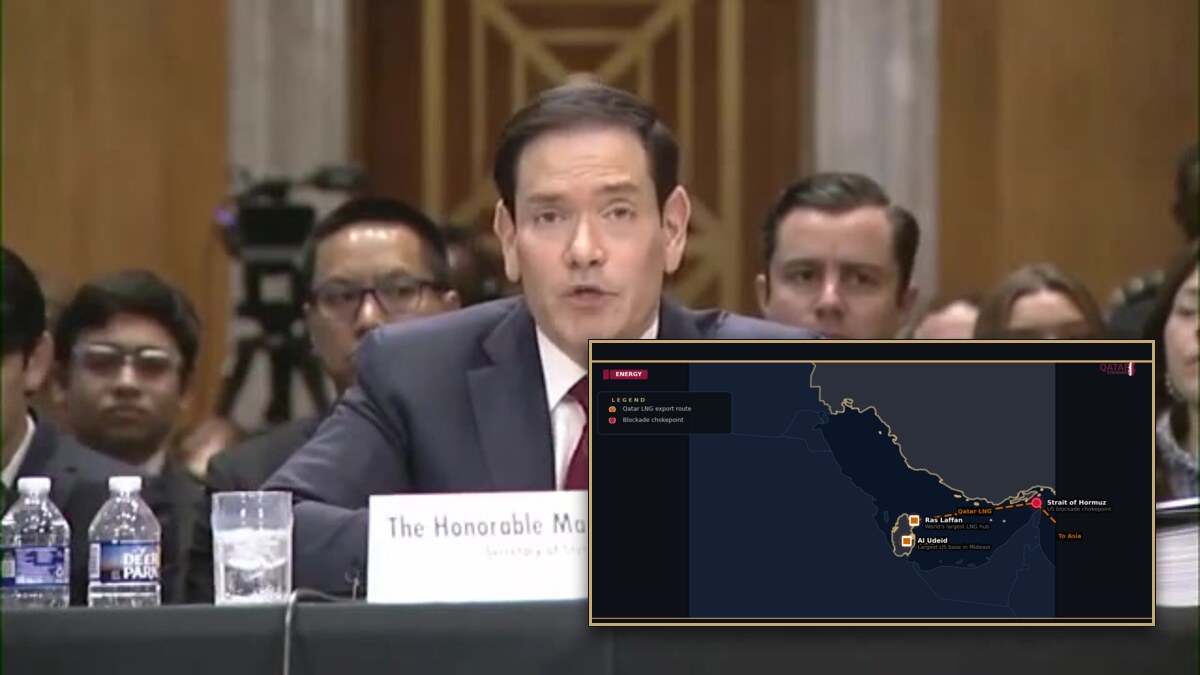
GulfRubio Confirms a US Blockade of Hormuz, Qatar's Gas Chokepoint
 Gulf
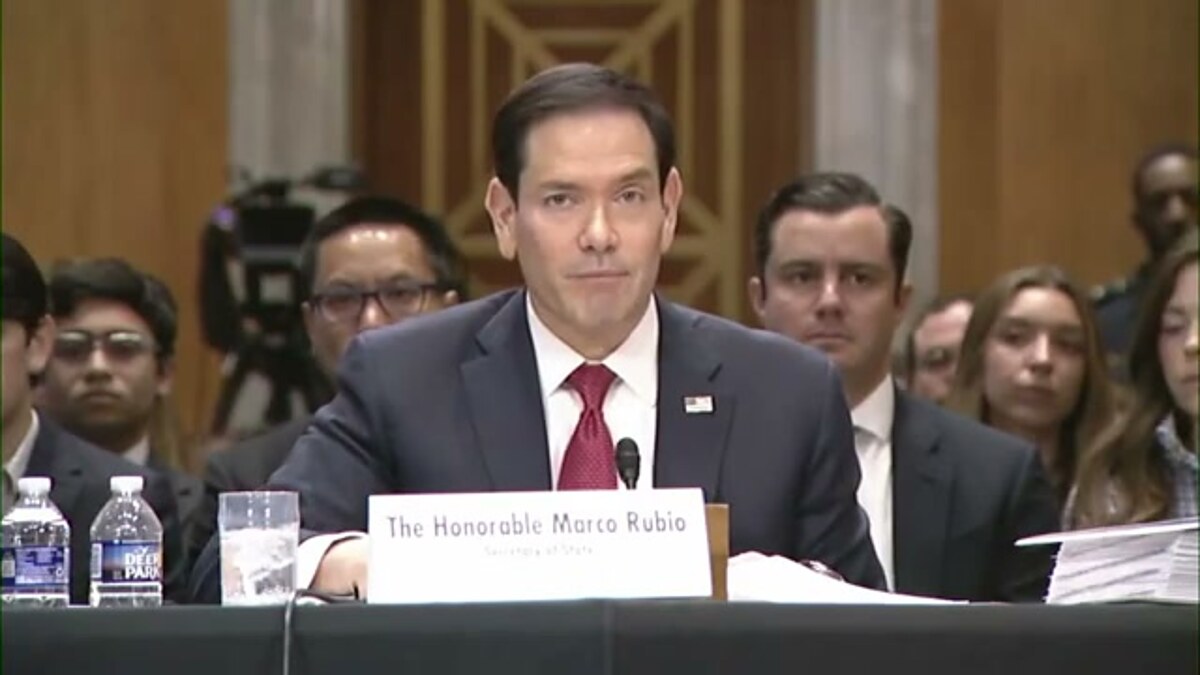
GulfRubio Says 1,100 Afghan Allies Stranded at Qatar's Camp As Sayliyah
 Economy
The Iran War in Numbers: The Gulf's Windfall and Qatar's Hormuz Trap
 General