US air superiority over Iran is not in doubt, but a war of attrition would test American resolve, favoring Iran in a pro
The United States' air superiority over Iran is unquestionable, but a prolonged war of attrition would severely test American resolve, potentially favoring Iran in a conflict that could drag on for years. A military analyst on Telegram made this statement, highlighting the complexities of a potential conflict between the two nations, where the outcome is far from certain. The analyst's assertion that a war of attrition would favor Iran is based on the country's history of withstanding economic sanctions and military pressure, as well as its ability to wage asymmetric warfare through proxy forces and guerrilla tactics.
The context of a potential US-Iran conflict is significant, given the long-standing tensions between the two nations over issues such as nuclear proliferation, terrorism, and regional influence. The US has consistently maintained a strong military presence in the Middle East, with a network of bases and allies that provide a strategic advantage over Iran. However, Iran has developed a range of capabilities that could allow it to wage a war of attrition, including ballistic missiles, drones, and cyber warfare capabilities. The country's experience in fighting proxy wars in Syria, Iraq, and Yemen has also given it a degree of expertise in asymmetric warfare, which could be used to counter US air superiority.
Iran has developed a range of ballistic missiles with ranges of up to 2,000 kilometers, which could be used to target US bases and allies in the region. The country has also invested heavily in its cyber warfare capabilities, which could be used to disrupt US command and control systems and gain an advantage in a conflict. Additionally, Iran's proxy forces in Iraq, Syria, and Yemen have been involved in numerous clashes with US and coalition forces, giving them valuable experience in fighting against a superior enemy. The US has estimated that Iran has spent over $15 billion on its military modernization program since 2015, with a significant portion of that funding going towards the development of ballistic missiles and cyber warfare capabilities.
The implications of a war of attrition between the US and Iran are far-reaching, with potential consequences for the entire region. A prolonged conflict could lead to a significant escalation of violence, with potential spillover effects into neighboring countries such as Iraq, Saudi Arabia, and the United Arab Emirates. The conflict could also have a major impact on global energy markets, given Iran's significant oil exports and the potential for a conflict to disrupt shipping lanes in the Strait of Hormuz. From a Qatari perspective, the potential for a US-Iran conflict is a major concern, given the country's strategic location in the Gulf and its close ties to both the US and Iran. Qatar has sought to maintain good relations with both countries, while also pursuing a policy of neutrality and diplomacy in an effort to reduce tensions in the region.
While the US maintains a significant air superiority over Iran, a war of attrition would be a complex and challenging conflict that could test American resolve and favor Iran in a prolonged conflict. The conflict would have significant implications for the entire region, with potential consequences for global energy markets and regional stability. As a key player in the Gulf, Qatar will be watching the situation closely, seeking to maintain its neutrality and pursue a policy of diplomacy and dialogue in an effort to reduce tensions and prevent a conflict.
النسخة العربية
حرب الاستنزاف تُ改变 المعادلات، فتكلفة الصمود أمام الضغط الاقتصادي والدبلوماسي تُعدّ أعلى من تكلفة الصمود العسكري، هل يستط
حرب الاستنزاف بين الولايات المتحدة وإيران قد تغير المعادلات بشكل كبير، حيث أن تكلفة الصمود أمام الضغط الاقتصادي والدبلوماسي تُعدّ أعلى من تكلفة الصمود العسكري، وهذا يطرح تساؤلات حول قدرة التحالف الأمريكي الإسرائيلي على الصمود أمام ضغوط الحرب الطويلة مع إيران.
تاريخياً، حروب الاستنزاف أثبتت أنها تحديات كبيرة للقوى العسكرية الكبيرة، حيث أن التكلفة البشرية والمادية للصراع يمكن أن تؤثر بشكل كبير على الرأي العام والقدرة على الاستمرار في الحرب، وبالتالي، فإن إيران قد تستفيد من هذا النوع من الحرب، حيث أن تكاليف الصمود أمام الضغط الاقتصادي والدبلوماسي يمكن أن تكون أعلى من تكاليف الصمود العسكري.
وفقاً لمعلومات من مصادر دبلوماسية، فإن إيران قد أنشأت شبكة من الحلفاء والمنظمات في المنطقة، مما يمكنها من التأثير على الأحداث وتوجيه الضغوط الاقتصادية والدبلوماسية ضد الولايات المتحدة وإسرائيل، وبالتالي، فإن الحرب بين الولايات المتحدة وإيران قد لا تكون حرباً تقليدية، ولكنها حرب استنزاف طويلة الأمد، حيث أن الجانبان سيتعين عليهما الصمود أمام الضغوط الاقتصادية والدبلوماسية والعسكرية.
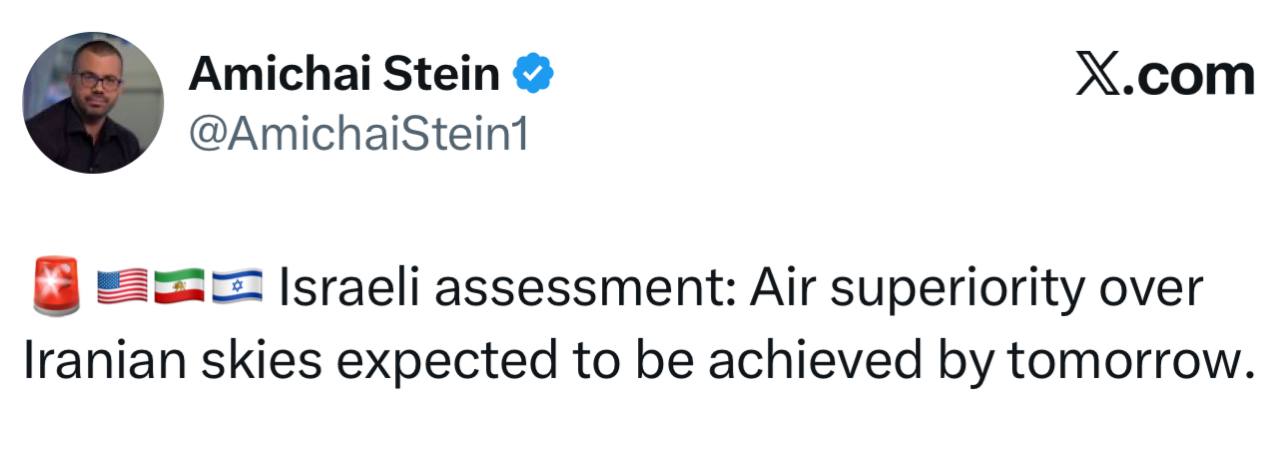
Source tweet
US air superiority over Iran is not in doubt, but a war of attrition would test American resolve, favoring Iran in a prolonged conflict.