

U.S. and Iran Set to Begin Indirect Talks in Islamabad on Saturday
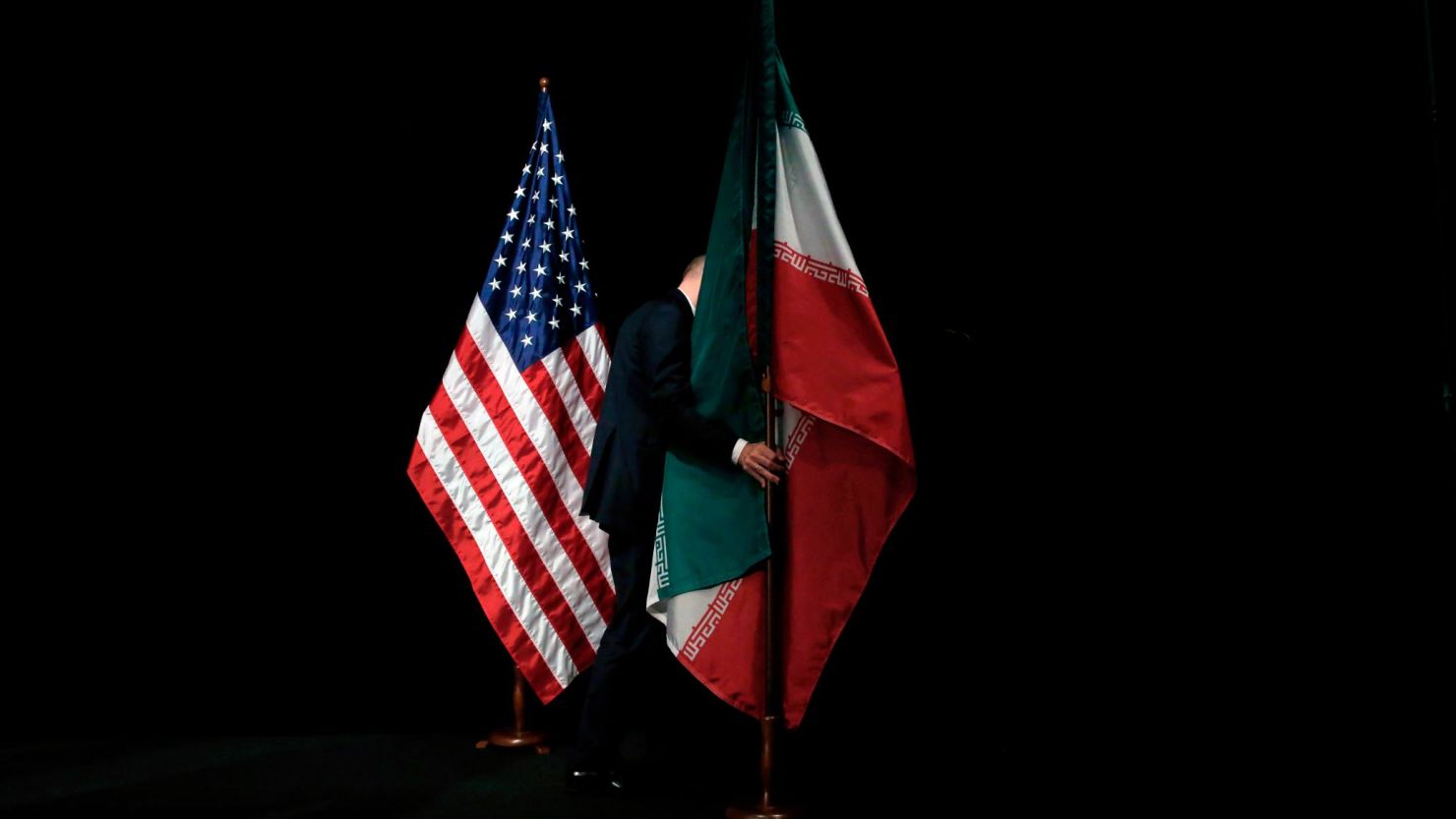
The United States and Iran are set to begin indirect talks in Islamabad on Saturday, marking a significant step toward potential diplomatic engagement aimed at enhancing regional stability. This development occurs amid ongoing tensions between the two nations, which have persisted for decades, particularly concerning Iran's nuclear program and its influence in the Middle East.
The discussions will start with mediators facilitating dialogue between the two parties, with the possibility of transitioning to direct negotiations as talks progress. This approach reflects a strategic effort by both sides to address mutual concerns and explore avenues for cooperation. The involvement of mediators indicates a willingness to engage in dialogue, moving away from the confrontational stance that has characterized U.S.-Iran relations in recent years.
These talks represent a critical opportunity for both nations to address longstanding grievances and seek common ground. The U.S. has expressed its desire to curb Iran's nuclear ambitions and regional activities, while Iran seeks relief from economic sanctions and recognition of its role in the region. The outcome of these discussions could have far-reaching implications for the geopolitical landscape of the Middle East, affecting not only U.S.-Iran relations but also the broader dynamics involving key regional players.
As the talks unfold, the focus will likely be on establishing a framework that allows for constructive dialogue and potential agreements. The stakes are high, with both nations aware that failure to reach a consensus could lead to further escalation of tensions. The international community is watching closely, as any progress made in Islamabad could pave the way for a more stable and secure region.
From a Gulf perspective, these talks are particularly significant. The Gulf states have long been concerned about Iran's influence and nuclear capabilities, and they are acutely aware of the implications of U.S.-Iran relations on their own security. A successful dialogue could alleviate some of these tensions, fostering a more cooperative environment in the region. Conversely, a breakdown in talks could exacerbate existing fears and lead to increased military posturing among Gulf nations.
As the U.S. and Iran prepare to engage in these indirect discussions, there is hope that diplomacy will prevail, leading to a more stable and peaceful Middle East. The outcome of these talks will be closely monitored by regional stakeholders, who are eager to see whether this diplomatic initiative can yield tangible results in addressing the complex challenges facing the region.
النسخة العربية
عاجل | محادثات أمريكية إيرانية في إسلام أباد تبدأ بشكل غير مباشر عبر الوسطاء، ومن المتوقع أن تتحول إلى مناقشات مباشرة
تبدأ اليوم في إسلام أباد محادثات غير مباشرة بين الولايات المتحدة وإيران، حيث يتوقع أن تتحول إلى مناقشات مباشرة في وقت لاحق من اليوم، وذلك في خطوة تهدف إلى تخفيف التوترات المتزايدة بين البلدين.
تأتي هذه المحادثات في وقت تشهد فيه العلاقات الأمريكية الإيرانية توتراً متزايداً بسبب عدد من القضايا العالقة، بما في ذلك البرنامج النووي الإيراني والعقوبات الاقتصادية المفروضة على طهران. وتعتبر هذه المحادثات فرصة لكلا الجانبين لاستكشاف سبل جديدة للتعاون والتفاهم، خاصة في ظل التحديات الإقليمية والدولية التي تواجهها المنطقة.
لم يتم الكشف عن تفاصيل محددة حول جدول أعمال المحادثات أو القضايا التي سيتم مناقشتها، ولكن من المتوقع أن تشمل مواضيع تتعلق بالبرنامج النووي الإيراني، والعقوبات الاقتصادية، ودور إيران في النزاعات الإقليمية. وتأتي هذه المحادثات بعد سلسلة من الجهود الدبلوماسية التي بذلتها دول أخرى لتقريب وجهات النظر بين الطرفين.
Source tweet
🚨 BREAKING | U.S. and Iran engage in indirect talks in Islamabad Discussions are set to commence with mediators, transitioning to direct dialogue. A strategic pursuit of regional stability through diplomacy. #Iran #US #Diplomacy #BreakingNews
More Stories
 Iran
IranUS Officials Say Iran May Return to Talks Due to Oil Storage Shortage
US-Iran Nuclear Talks Collapse 2026: Pakistan Mediation Fails in Islamabad
 Palestine
Gaza Ceasefire Pressure 2026: Iran and Lebanon Truces Force Hamas-Israel Talks
 BREAKING
US-Iran Peace Talks Stall in 2026: Oil Hits 3-Week High on Hormuz Risk
 Diplomacy