

US Government Estimates Predict 9 Million Barrel Daily Drop in Middle East Oil Production
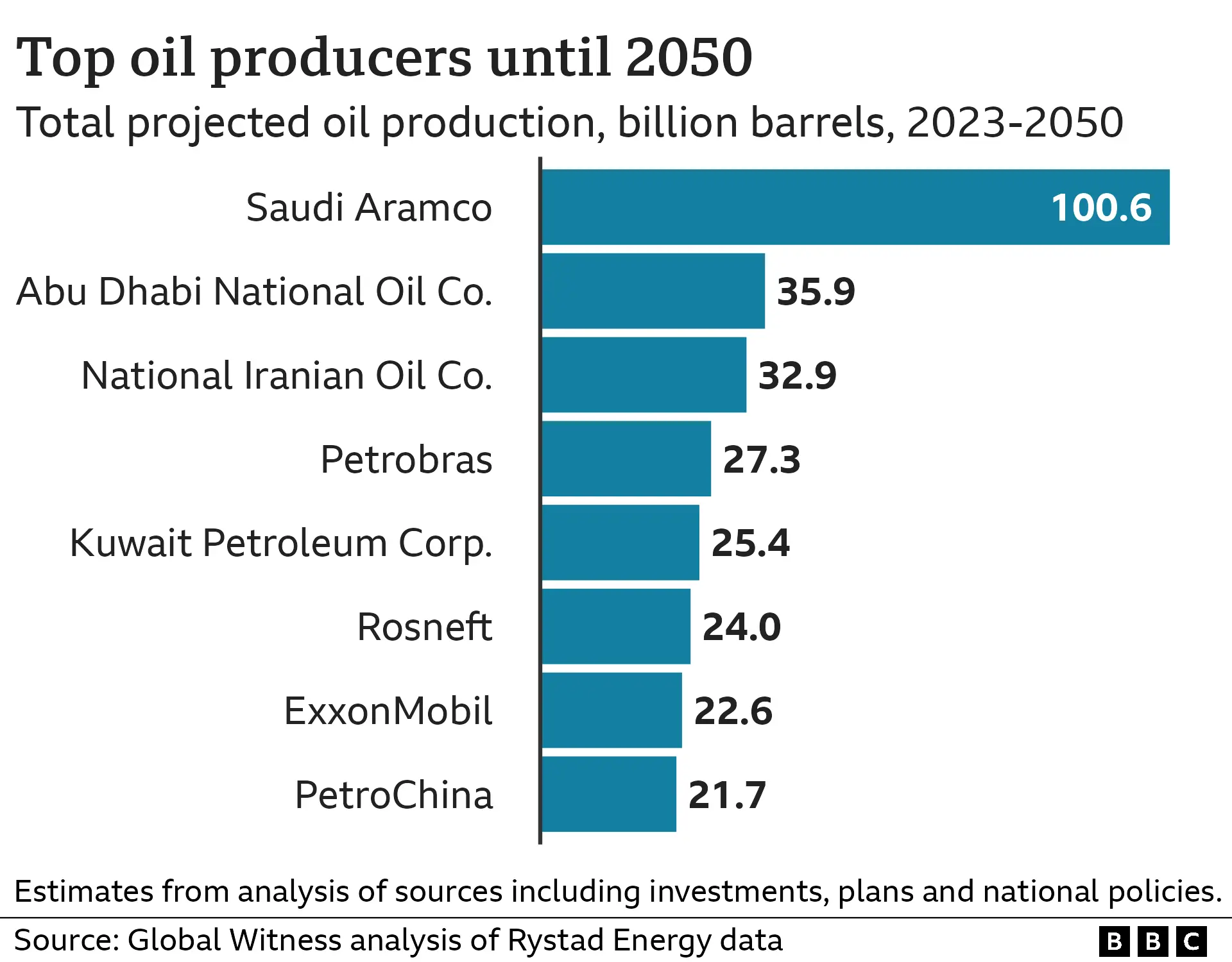
The US government has projected a significant drop of 9 million barrels per day in oil production from the Middle East this month, a forecast that could have profound implications for global energy markets. This anticipated decline underscores the critical importance of the region in the world’s energy supply chain and raises concerns about potential volatility in oil prices.
The Middle East has long been a cornerstone of global oil production, with countries in the region collectively accounting for a substantial portion of the world’s crude oil output. A reduction of this magnitude could disrupt not only supply dynamics but also the pricing structures that govern the energy market. The potential for such a drastic decrease in production is particularly alarming for countries heavily reliant on oil imports, as it could lead to increased costs for consumers and businesses.
Analysts are closely monitoring the situation, as the implications of this drop extend beyond immediate supply concerns. A decrease of 9 million barrels per day could lead to heightened tensions among oil-producing nations, especially if the decline is attributed to geopolitical factors or production cuts by major oil producers. The ripple effects of such a decline could also impact economies that depend on oil revenues, potentially leading to broader economic instability in the region.
In the Gulf region, where oil exports are a primary driver of economic growth, the forecasted production drop raises questions about future revenue streams and economic planning. Countries like Saudi Arabia, the United Arab Emirates, and Kuwait have historically relied on stable oil prices to fund their national budgets and development projects. A significant decline in production could force these nations to reevaluate their economic strategies and consider diversifying their economies to mitigate the risks associated with fluctuating oil markets.
The potential for increased oil prices as a result of this production drop could also have wider implications for global inflation rates, which have already been a concern in many economies. Higher energy costs often translate into increased prices for goods and services, affecting consumers and businesses. Policymakers around the world will be watching closely to see how this situation unfolds and what measures may be necessary to stabilize markets.
As the situation develops, the Gulf states may need to engage in strategic discussions to address the challenges posed by this anticipated production decline. Collaborative efforts among oil-producing nations could be crucial in managing supply and stabilizing prices to prevent further economic disruption. The global energy landscape is at a critical juncture, and the decisions made in the coming weeks could have lasting effects on both regional and global economies.
In conclusion, the US government's estimate of a 9 million barrel per day drop in Middle East oil production this month highlights the region's vital role in global energy supply and the potential for significant market disruptions. As the Gulf states navigate this challenge, their responses will be closely scrutinized by both regional and international stakeholders, with broader implications for energy security and economic stability at stake.
النسخة العربية
توقعات حكومية أمريكية تشير إلى انخفاض إنتاج النفط في الشرق الأوسط بمقدار 9 ملايين برميل يومياً خلال هذا الشهر، وفقاً لشب
توقعت الحكومة الأمريكية انخفاض إنتاج النفط في منطقة الشرق الأوسط بمقدار 9 ملايين برميل يومياً خلال هذا الشهر، وفقاً لتقرير نشرته شبكة "بلومبرغ". يأتي هذا التراجع في الإنتاج وسط تحديات اقتصادية وسياسية تواجه المنطقة، مما يثير القلق بشأن تأثير ذلك على الأسواق العالمية واستقرار أسعار النفط.
تعتبر منطقة الشرق الأوسط من أهم مصادر النفط في العالم، حيث تعتمد العديد من الدول على صادراتها النفطية كمصدر رئيسي للدخل. لذا، فإن أي تقلبات في إنتاج النفط في هذه المنطقة يمكن أن تؤثر بشكل كبير على الاقتصاد العالمي. يأتي هذا التراجع المتوقع في الإنتاج في وقت تشهد فيه الأسواق العالمية تقلبات بسبب التوترات الجيوسياسية والاقتصادية، مما يزيد من أهمية هذه التوقعات وتأثيرها المحتمل.
لم يتم تقديم تفاصيل دقيقة حول الأسباب المحددة لهذا الانخفاض الكبير في الإنتاج، ولكن من المعروف أن المنطقة تواجه تحديات متعددة، بما في ذلك النزاعات السياسية الداخلية والخارجية، بالإضافة إلى التحديات الاقتصادية التي تؤثر على قدرة الدول على الحفاظ على مستويات إنتاج مستقرة. كما أن التغيرات في سياسات الإنتاج من قبل الدول الأعضاء في منظمة الدول المصدرة للنفط (أوبك) قد تلعب دوراً في هذا التراجع.
Source tweet
🚨 BREAKING | US government estimates predict Middle East oil production to drop by 9 million barrels per day this month. This significant decrease could impact global energy markets and highlights the region's pivotal role in energy supply. #MiddleEast #OilProduction #BreakingNews
More Stories
 Palestine
Gaza Government Disputes US Official's Claims on Aid Deliveries
 Palestine
Gaza Government Reports Average of 227 Trucks Enter Daily
Oil Prices Surge 8% to Over $100 Per Barrel Following Trump's Iran Port Blockade
 BREAKING
Oil Prices Surpass $100 Per Barrel Amid US Blockade of Strait of Hormuz
 Iran
Iran