

Energy Prices Stabilize as Global Markets React to Ongoing Iran Conflict

Energy prices have shown signs of stabilization as global markets respond to the ongoing conflict in Iran, with recent reports indicating a decrease in war-related concerns. Traders are closely monitoring developments, which have significant implications for energy supply and pricing worldwide.
The conflict in Iran has been a focal point for global markets, particularly in the energy sector, given the country's pivotal role in oil production. As one of the largest oil producers in the Middle East, any disruptions in Iran's production or exports can lead to fluctuations in global oil prices. The recent easing of concerns surrounding the war has contributed to a more stable outlook for energy markets, allowing prices to stabilize after a period of volatility. Analysts suggest that this stabilization could be attributed to a combination of factors, including diplomatic efforts and a reassessment of the potential impacts of the conflict on oil supply chains.
The significance of this stabilization is profound, as energy prices directly affect economies worldwide. Countries that heavily rely on oil imports, particularly in Europe and Asia, have been particularly sensitive to fluctuations in energy prices. A stable energy market is crucial for maintaining economic growth, controlling inflation, and ensuring energy security. As the global economy continues to recover from the impacts of the COVID-19 pandemic, the stability of energy prices will play a critical role in shaping economic forecasts and government policies.
In the Gulf region, the implications of stabilized energy prices are particularly relevant. Countries like Qatar, which has a robust energy sector, benefit from a stable pricing environment that supports investment and economic diversification efforts. The Gulf Cooperation Council (GCC) countries have been working to reduce their dependence on oil revenues by investing in renewable energy and other sectors. A stable energy market can provide the necessary financial resources to support these initiatives, allowing for a smoother transition toward a more diversified economy.
As the situation in Iran continues to evolve, market participants remain vigilant. The potential for sudden changes in the conflict could still impact energy prices, making it essential for stakeholders to stay informed and prepared for any shifts. The global energy landscape is interconnected, and developments in one region can have far-reaching consequences.
While the current stabilization of energy prices amid the ongoing conflict in Iran offers a moment of relief for global markets, the situation remains fluid. For Qatar and its Gulf neighbors, maintaining a focus on energy diversification and sustainability will be crucial in navigating the complexities of the global energy market. As the region adapts to changing dynamics, the ability to respond to geopolitical challenges will be key in ensuring long-term economic stability and growth.
النسخة العربية
استقرار أسعار الطاقة في الأسواق العالمية مع تراجع المخاوف من الصراع في إيران
تشهد أسعار الطاقة استقرارًا ملحوظًا في الأسواق العالمية، حيث بدأت المخاوف المتعلقة بالصراع المستمر في إيران بالتراجع، مما أثر بشكل إيجابي على الأسواق.
تأتي هذه التطورات في ظل تصاعد التوترات في المنطقة، والتي أثرت بشكل كبير على الأسواق خلال الأسابيع الماضية. ومع دخول الصراع يومه الخامس والعشرين، بدأت الأسواق في التكيف مع الوضع الجديد، حيث أظهر المستثمرون ثقة متزايدة في قدرة الأسواق على التعامل مع التحديات الناجمة عن الصراع. هذا الاستقرار في أسعار الطاقة يعكس تحسنًا في ثقة المستثمرين، مما يشير إلى أن الأسواق قد تكون قادرة على التكيف مع التوترات الجيوسياسية المستمرة.
رغم أن الصراع في إيران لا يزال يشكل مصدر قلق رئيسي للأسواق، إلا أن تراجع المخاوف بشأن تأثيره الفوري على إمدادات الطاقة ساهم في تهدئة الأسواق. لم يتم الإبلاغ عن أي انقطاعات كبيرة في الإمدادات، مما ساعد على تهدئة المخاوف من ارتفاع حاد في الأسعار. ومع ذلك، يظل الوضع هشًا، حيث يمكن لأي تصعيد جديد أن يعيد المخاوف إلى الواجهة ويؤدي إلى تقلبات جديدة في الأسواق.
Source tweet
🗓️ March 24 | Day 25 — Iran war: Daily global market impact ➔ Amid ongoing tensions, with easing war concerns, energy p
More Stories
 Africa
Turkey's Somalia Agreements: Energy Security Behind a Development Frame
 Iran
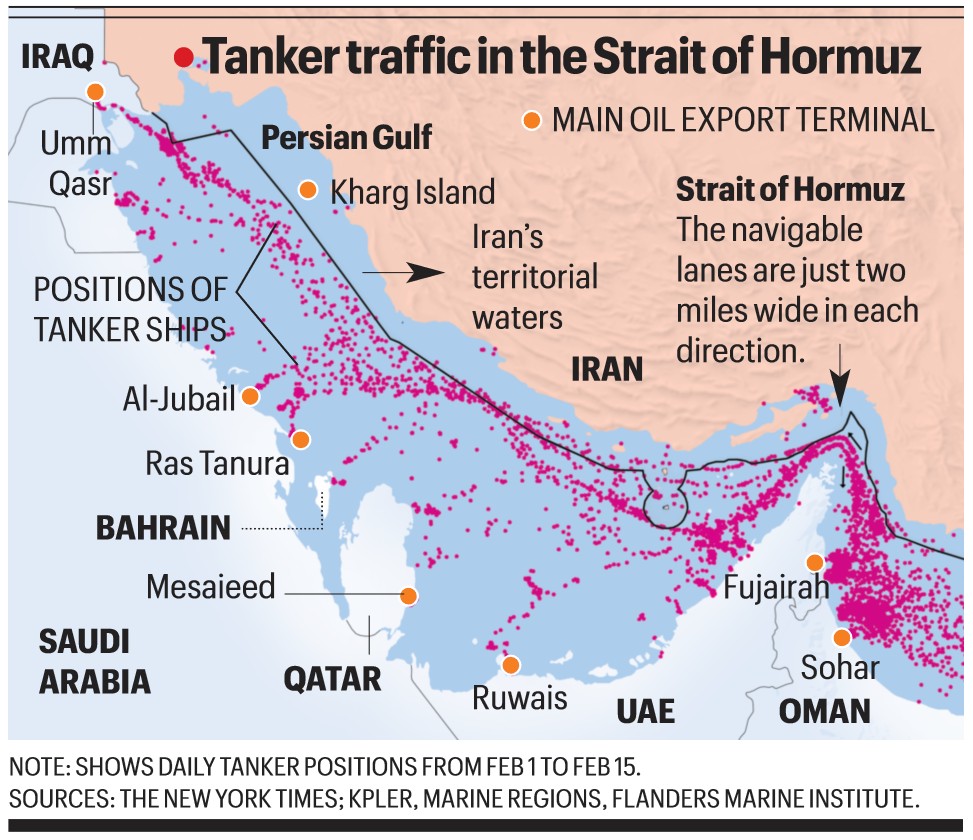
IranUN Secretary-General Warns Strait of Hormuz Restrictions Disrupt Global Economy and Energy Markets
 Economy
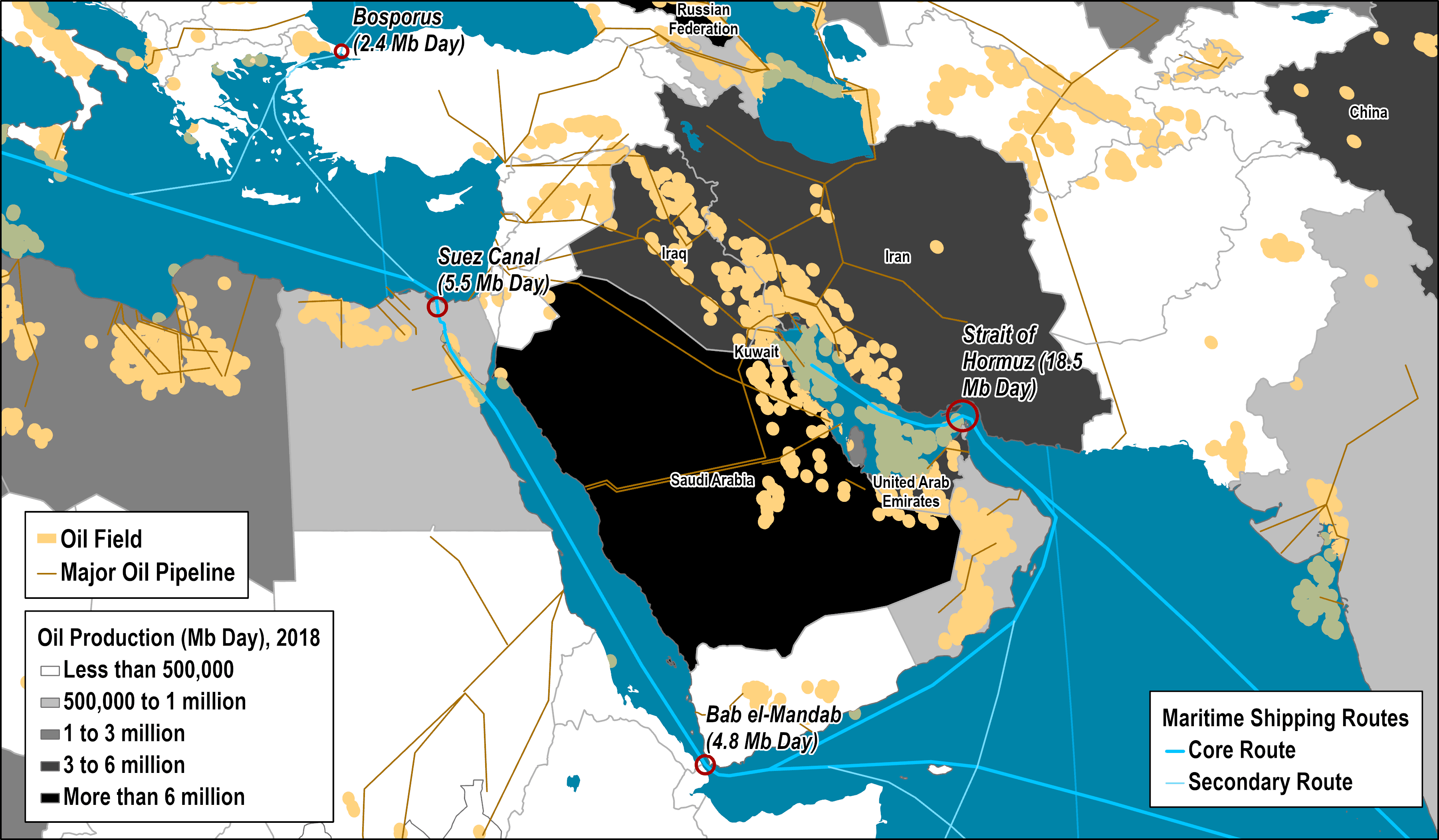
Reuters Reports Oil Prices Continue Rising Amid Supply Disruption Fears
 BREAKING
Putin Meets Iranian Foreign Minister Abbas Araghchi in St Petersburg
 Diplomacy