

إيران توسع شبكة الوكلاء لمواجهة القوات الأمريكية في الخليج

تقوم إيران بتوسيع جوهري لشبكة قواتها المسلحة بالوكالة عبر منطقة الخليج، وفقاً لتقييمات الأمن الإقليمي، مما يعمّق المنافسة العسكرية مع دول الخليج المدعومة من الولايات المتحدة وحلفائهما. يعكس التوسع استراتيجية الردع المتطورة لدى طهران ردّاً على استمرار الوجود العسكري الأمريكي، بما فيه الانتشارات البحرية والقواعد الجوية عبر شبه الجزيرة العربية والشرق الأوسط الأوسع.
ركزت شبكة الوكلاء الإيرانية تاريخياً على مجموعات راسخة في العراق وسوريا واليمن—بما فيها قوات مثل الحشد الشعبي في العراق وقوات الحوثيين في اليمن—لكن محللي الاستخبارات يؤكدون أن طهران توسّع الآن العمليات المنسقة بين الشبكات القائمة بينما تبني خلايا جديدة تركز على القدرات البحرية والدفاع الجوي. يشير مسؤولون إقليميون إلى أن الاستراتيجية تهدف إلى خلق نوى غير متماثلة تقابل التفوق العسكري الأمريكي التقليدي، مما يحول توازن الردع عبر أصول موزعة وقابلة للإنكار.
يحمل التوسع آثاراً مباشرة على دول مجلس التعاون الخليجي، خاصة تلك المضيفة لبنية عسكرية أمريكية كبرى. تواجه قطر، القوة الإقليمية الكبرى المضيفة لقاعدة العديد الجوية والمركز اللوجستي الحيوي لعمليات الولايات المتحدة، ضغطاً متزايداً وسط توسع الوكلاء. يتزامن النشاط مع توترات جارية حول الأمن البحري في الخليج الفارسي ومضيق هرمز، الممرات التي يمر عبرها حوالي الثلث من التجارة البحرية العالمية للنفط.
بررت طهران علناً موقفها العسكري كرد دفاعي على الضغط الأمريكي والعقوبات والتهديدات الإقليمية. يؤكد المسؤولون الإيرانيون أن شبكات الوكلاء لديهم تمثل رادعاً شرعياً ضد ما يعتبرونه تدخلاً أمريكياً. ينشئ هذا التوضع بيئة أمنية معقدة لدول الخليج التي تتنقل بين الشراكات الأمنية الأمريكية والرغبة في الحفاظ على علاقات اقتصادية وديبلوماسية مستقرة مع إيران.
تشير التصعيدات إلى استراتيجية إقليمية إيرانية أكثر حزماً في لحظة تظل فيها التوترات داخل الخليج مرتفعة منذ فترة الحصار 2017-2021. اعتمدت القيادة الدبلوماسية القطرية تاريخياً على الحوار على المواجهة، موقف امتحنته ديناميات الحروب بالوكالة التي تعقد الجهود لاستعادة التوازن في العلاقات الخليجية.
English Version
Iran expands proxy network to counter US military presence in Gulf
Iran is substantially expanding its network of armed proxy forces across the Gulf region, according to regional security assessments, deepening military competition with United States-backed Gulf states and their allies. The expansion reflects Tehran's evolving deterrence strategy in response to continued American military presence, including naval deployments and air bases across the Arabian Peninsula and the wider Middle East.
The Iranian proxy network has historically centered on established groups in Iraq, Syria, and Yemen—including militia forces such as the Popular Mobilization Units (PMU) in Iraq and Houthi forces in Yemen—but intelligence analysts report Tehran is now coordinating expanded operations among existing networks while building new cells focused on maritime and air-defense capabilities. Regional officials indicate the strategy aims to create asymmetric counters to conventional American military superiority, shifting the balance of deterrence through distributed, deniable assets.
The expansion carries direct implications for Gulf Cooperation Council states, particularly those hosting significant American military infrastructure. Qatar, a major regional power hosting Al Udeid Air Base and serving as a critical logistics hub for US operations, faces heightened pressure amid the proxy expansion. The activity coincides with ongoing tensions over maritime security in the Persian Gulf and Strait of Hormuz, chokepoints through which approximately one-third of global maritime petroleum trade passes.
المصدر
تعمل إيران على توسيع شبكتها من الوكلاء في الخليج، مما يعمق الصراعات الإقليمية مع الدول المتحالفة مع الولايات المتحدة. يعكس النهج استراتيجية ردع إيران في ظل المنافسة الجيوسياسية المستمرة.
المزيد من القصص
 إيران
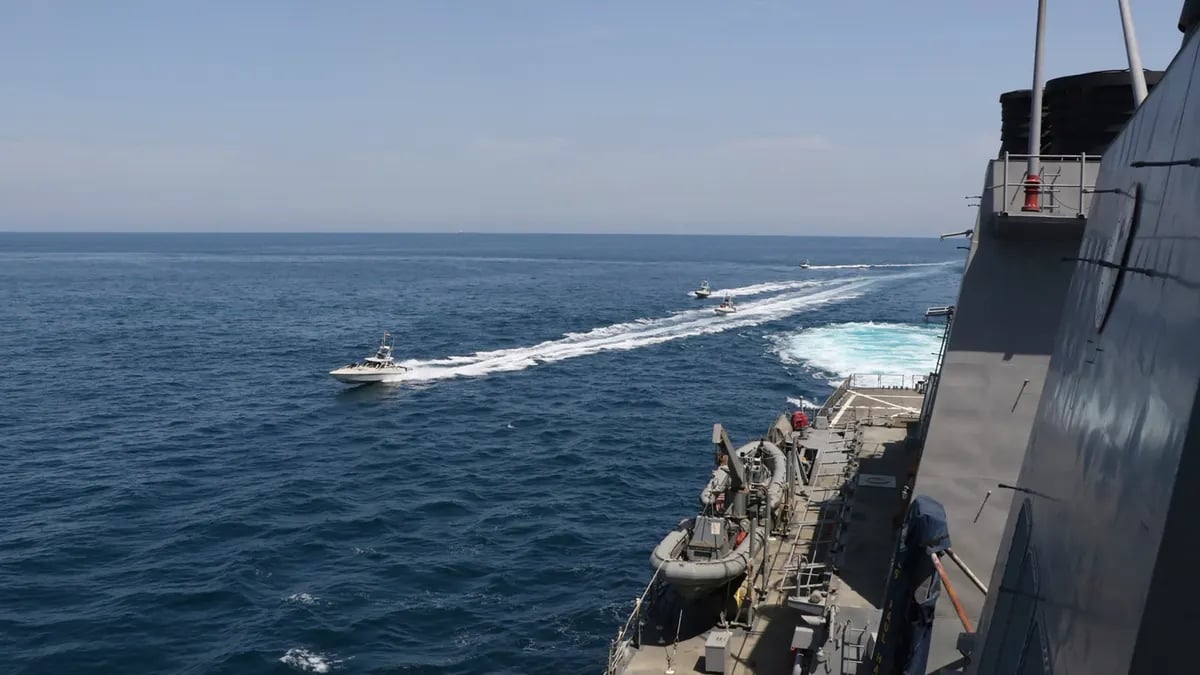
إيراننائب إيراني: طهران ستقاضي واشنطن بسبب الحصار البحري
 سياسة
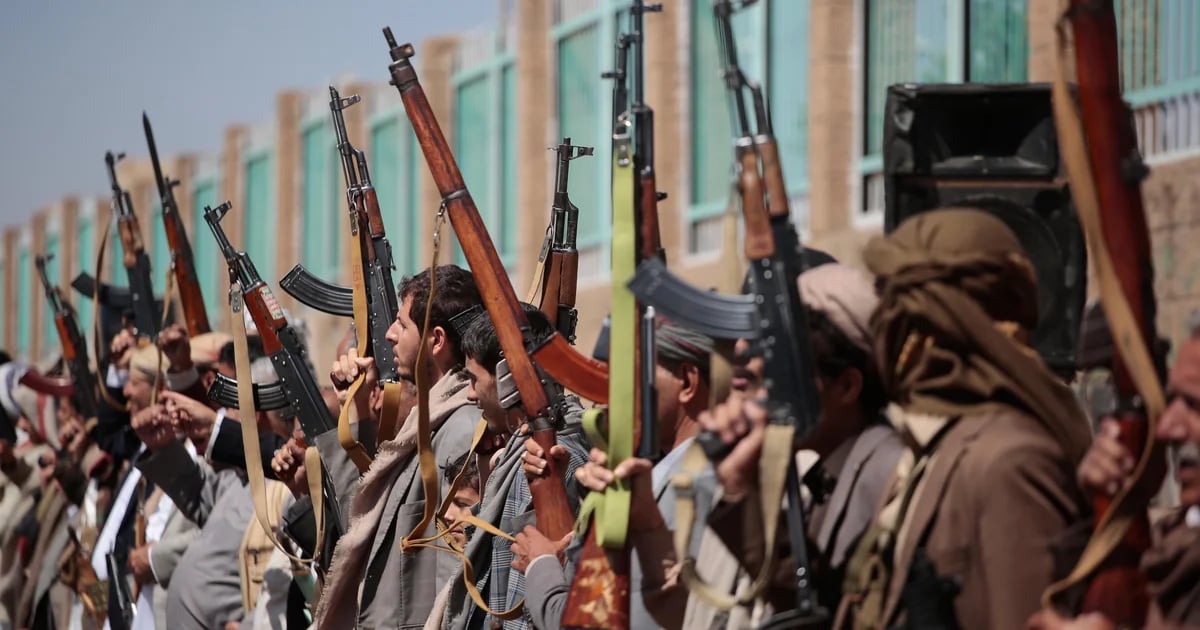
سياسةالسفارات الأمريكية في تسع دول بالمنطقة، بينها قطر، تصدر تحذيرات أمنية بشأن الحوثيين
 أفريقيا
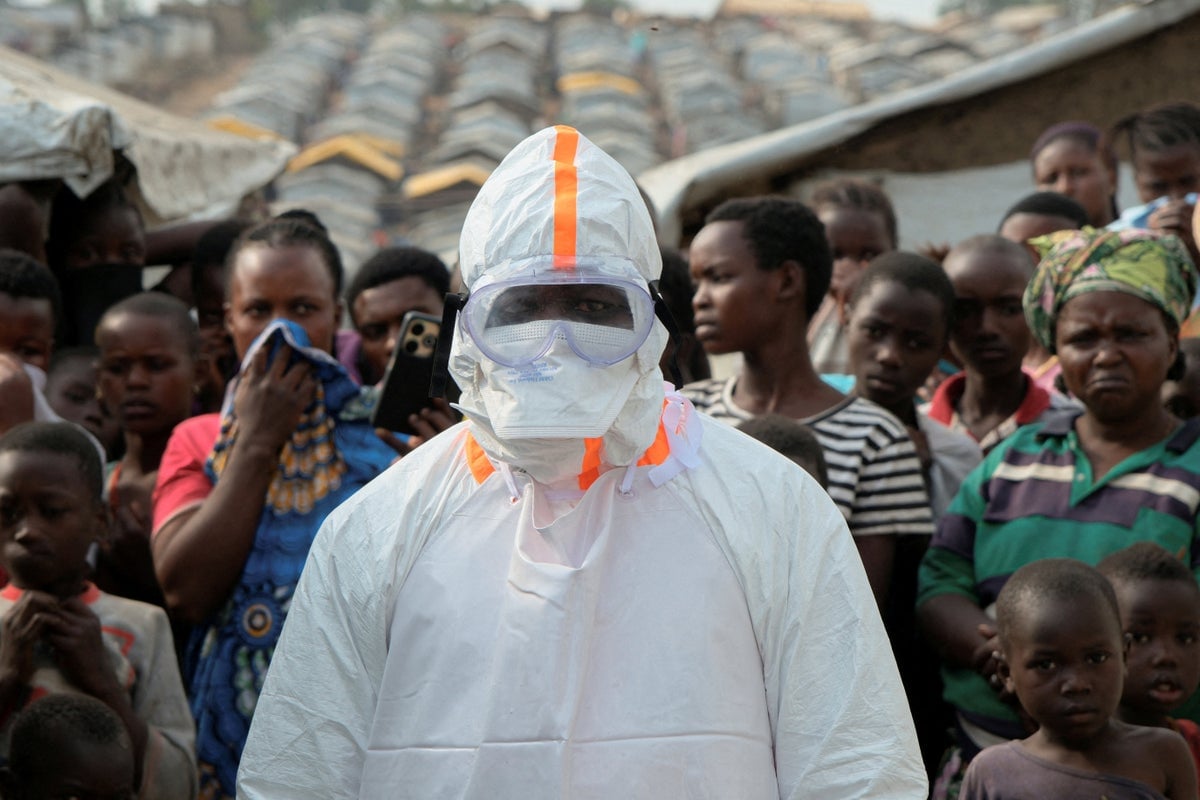
منظمة الصحة العالمية تعزز استعداد جيبوتي والصومال والسودان لمواجهة إيبولا
 إيران
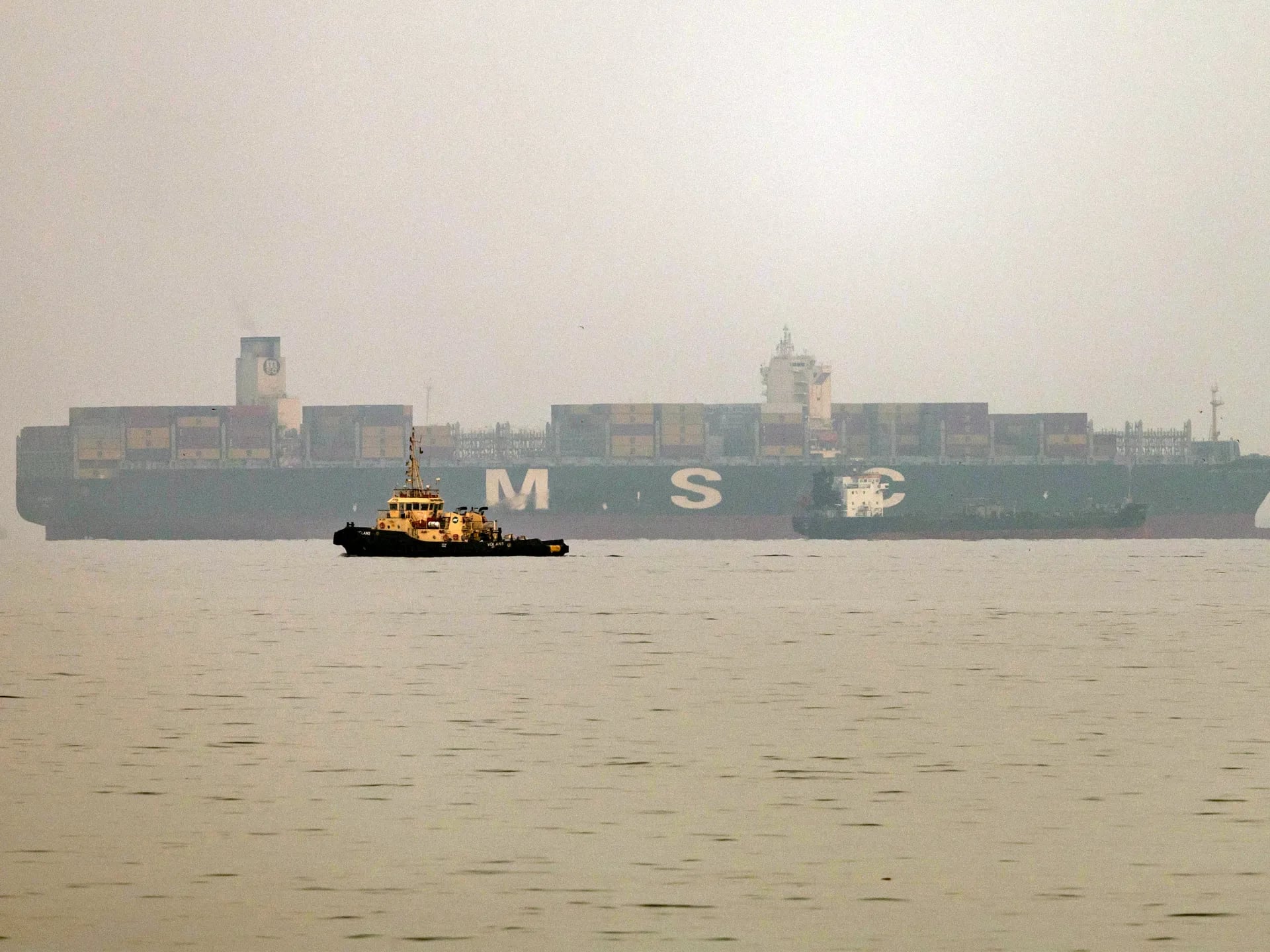
إيرانالولايات المتحدة وإيران تتنازعان السيطرة على مضيق هرمز وسط هجمات على السفن
 عام
عام