

WHO Steps Up Ebola Readiness in Djibouti, Somalia and Sudan Amid Conflict
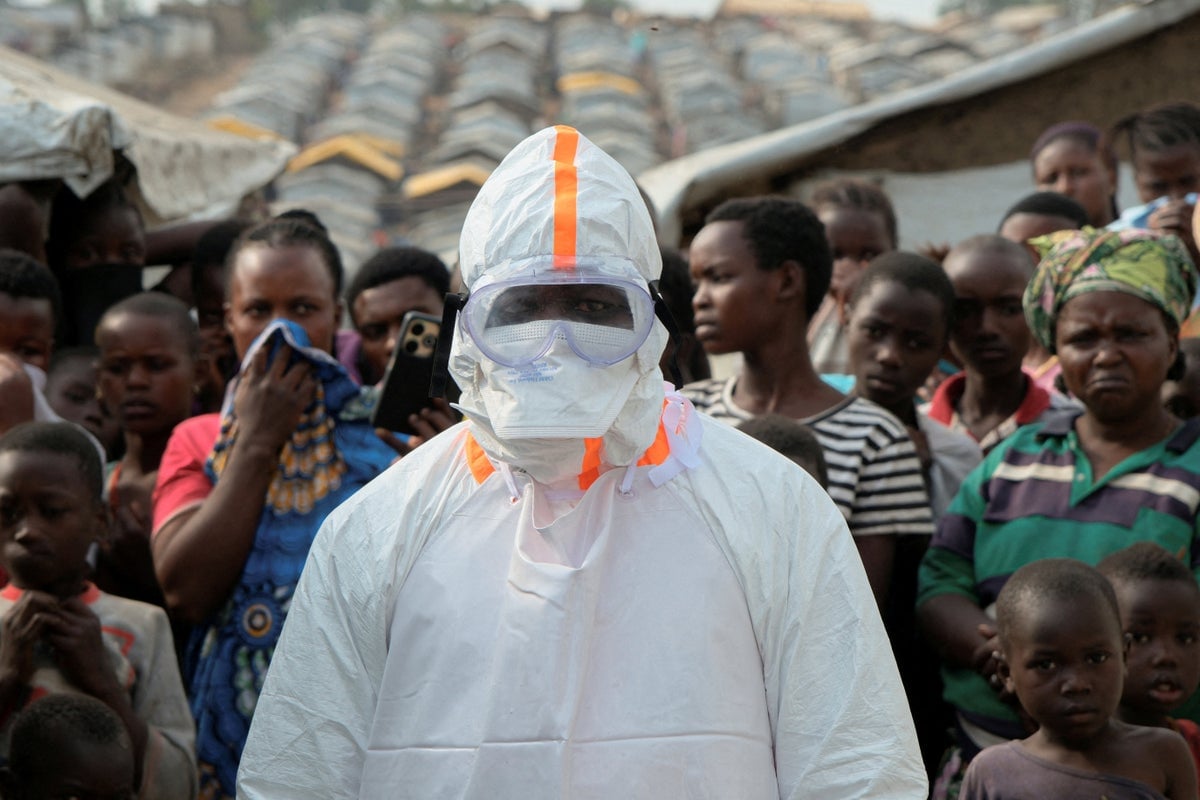
The World Health Organization (WHO) is stepping up Ebola preparedness in Djibouti, Somalia and Sudan, the three priority countries in its Eastern Mediterranean Region, where conflict and displacement complicate readiness. allAfrica and The Independent Uganda both reported that the region comprises 22 countries and territories spanning parts of Africa, Asia and Europe. Both said no Ebola cases have been reported in the region so far.
According to allAfrica, the move follows deadly outbreaks of Ebola disease caused by the Bundibugyo virus in the Democratic Republic of the Congo (DRC) and Uganda, and the confirmation of a case in Kenya linked to the DRC. The Independent Uganda did not mention Uganda in its account. It reported outbreaks in the DRC and the confirmation of infections in Kenya linked to the DRC outbreak.
The Independent Uganda reported that, as of October 13, the DRC had reported more than 9,000 confirmed cases and 4,381 deaths, which it described as the largest Ebola outbreak in the country's history. It said Kenya confirmed a third case on October 16, involving a 65-year-old woman who was a close relative of earlier patients. The outlet added that Kenyan authorities have reported no evidence of widespread community transmission.
AllAfrica reported that WHO Director-General Tedros described the region in a speech earlier this week as "the epicentre of global humanitarian need". The Independent Uganda carried the same quote. AllAfrica added that more than 117 million people in the Occupied Palestinian Territory, Sudan, Syria, Yemen and beyond require humanitarian assistance to survive.
Both outlets reported that between July and September WHO deployed missions to Djibouti, Somalia and Sudan to assess readiness. The missions looked at Ebola surveillance, laboratory capacity, infection prevention and control, case management and emergency coordination. WHO is helping authorities close the gaps through training, technical support, medical supplies and simulation exercises, according to allAfrica. The Independent Uganda said the simulations are designed to test countries' ability to respond to suspected cases.
AllAfrica reported that WHO has developed regional readiness checklists, contingency planning tools and technical guidance, and is strengthening coordination with countries in Africa and the Eastern Mediterranean. It has also provided laboratory supplies, traveller guidance and community engagement resources. Both outlets said gaps remain in early detection, laboratory confirmation and the availability of protective equipment and resources for emergency response.
"Conflict, insecurity and restricted access present additional challenges, particularly in countries already facing major humanitarian emergencies," WHO said, as quoted by both outlets.
The Independent Uganda also reported that Ebola can spread through direct contact with the blood, secretions and other bodily fluids of infected people, as well as contaminated materials. It said the incubation period ranges from two to 21 days and that infected people are not considered infectious until symptoms begin. According to the outlet, there is no approved vaccine or specific treatment for the Bundibugyo virus, so WHO says control depends on early detection, isolation and care of patients, contact tracing, infection prevention, safe burial practices and community cooperation.
WHO says it will keep working with national authorities and partners so that suspected cases can be rapidly detected, investigated and managed, according to both reports.
النسخة العربية
منظمة الصحة العالمية تعزز استعداد جيبوتي والصومال والسودان لمواجهة إيبولا
تعمل منظمة الصحة العالمية على تعزيز الاستعداد لمواجهة إيبولا في جيبوتي والصومال والسودان، وهي الدول الثلاث ذات الأولوية في إقليم شرق المتوسط التابع لها، حيث يعقّد النزاع والنزوح جهود التأهب. وذكر موقعا [أول أفريكا](https://allafrica.com/stories/202610190003.html) و[ذي إندبندنت أوغندا](https://www.independent.co.ug/who-steps-up-ebola-preparedness-in-22-countries-amid-regional-health-risks/) أن الإقليم يضم 22 دولة وإقليماً تمتد عبر أجزاء من أفريقيا وآسيا وأوروبا. وأفاد الموقعان بأنه لم تُسجَّل أي إصابة بإيبولا في الإقليم حتى الآن.
وبحسب أول أفريكا، تأتي هذه الخطوة بعد تفشيات مميتة لمرض إيبولا الناجم عن فيروس بونديبوجيو في جمهورية الكونغو الديمقراطية وأوغندا، وبعد تأكيد حالة في كينيا مرتبطة بالكونغو الديمقراطية. أما ذي إندبندنت أوغندا فلم تذكر أوغندا في روايتها، وأشارت إلى تفشيات في الكونغو الديمقراطية وتأكيد إصابات في كينيا مرتبطة بالتفشي هناك.
وذكرت ذي إندبندنت أوغندا أن الكونغو الديمقراطية سجّلت حتى 13 أكتوبر أكثر من 9,000 حالة مؤكدة و4,381 وفاة، ووصفته بأنه أكبر تفشٍّ لإيبولا في تاريخ البلاد. وقالت إن كينيا أكدت في 16 أكتوبر حالة ثالثة لامرأة تبلغ 65 عاماً، وهي قريبة مقرّبة من مرضى سابقين. وأضافت أن السلطات الكينية لم تسجّل أي دليل على انتقال واسع للعدوى في المجتمع.
Source tweet
WHO is scaling up Ebola readiness across the 22-country Eastern Mediterranean region, prioritizing Djibouti, Somalia and Sudan. No cases have been reported in the region yet, but conflict and overstretched health systems complicate preparedness.
More Stories
 Turkey
 Built Somalia's Military. Now Its Drones Are Accused of Targeting a Political Rival
 Africa
Turkey's Expanding Grip on Somalia: Oil, Fisheries and Military Power
 Gulf
Qatar 2026 organising committee confirms readiness for FIVB U17 World Championship
 Africa
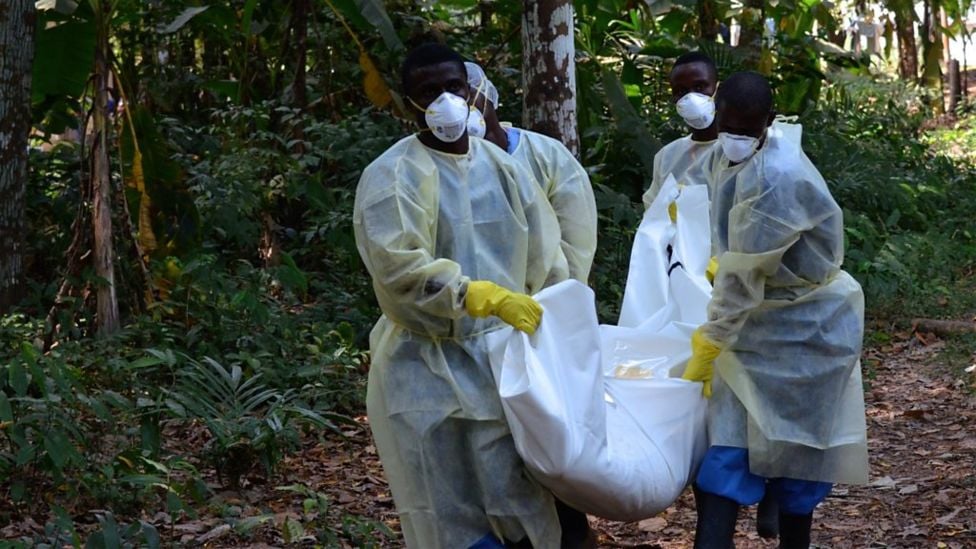
DR Congo's Ebola outbreak becomes deadliest in history with 2,325 deaths
 Africa