Iran Implements Toll System for Ships in Strait of Hormuz, Charging Fees for Passage
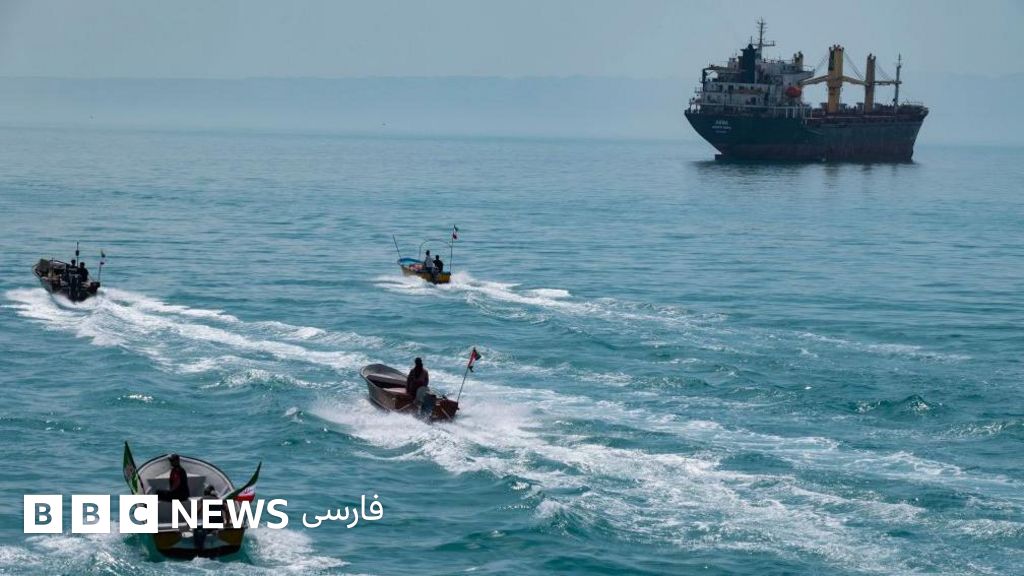
Iran has initiated a toll system for vessels navigating the strategically vital Strait of Hormuz, charging fees for passage, particularly targeting ships from allied nations. This development marks a significant shift in Iran's maritime policy and reflects its ongoing efforts to exert control over one of the world's most crucial shipping lanes, through which a substantial portion of global oil supplies is transported.
The Strait of Hormuz, located between Iran and Oman, is a narrow passage that connects the Persian Gulf with the Gulf of Oman. It serves as a critical chokepoint for maritime trade, with nearly 20% of the world's oil passing through this waterway. The introduction of a toll system by Iran is seen as a means to bolster its revenue while simultaneously reinforcing its influence over maritime traffic in the region. This move could also be interpreted as a strategic response to the increasing naval presence of Western powers in the Gulf, as well as ongoing tensions with the United States and its allies.
Iran's decision to implement this toll system comes amid heightened geopolitical tensions in the region. The Strait of Hormuz has been the site of numerous confrontations between Iranian forces and vessels from the U.S. Navy and other allied countries. By establishing a toll for passage, Iran may be seeking to legitimize its control over the strait and assert its authority in the face of foreign military presence. This development could lead to increased scrutiny of maritime operations in the area, potentially raising the stakes for international shipping companies that rely on this vital route.
The toll system is expected to apply primarily to ships from nations that Iran considers friendly, which may include countries within its sphere of influence. This could lead to a division in maritime traffic, where vessels from adversarial nations may face heightened scrutiny or even obstruction. The implications of this toll system extend beyond immediate economic considerations; they could also reshape alliances and maritime strategies in the Gulf region.
For the Gulf states, particularly Qatar, the introduction of a toll system in the Strait of Hormuz presents both challenges and opportunities. Qatar, which has been diversifying its trade routes and reducing its reliance on the Strait of Hormuz, may find itself navigating a more complex maritime landscape. The toll could incentivize alternative shipping routes or encourage regional cooperation among Gulf nations to ensure the free flow of commerce.
As the situation evolves, the strategic significance of the Strait of Hormuz remains paramount. The toll system not only represents a new chapter in Iran's maritime policy but also serves as a reminder of the delicate balance of power in the Gulf. For Qatar and its neighbors, maintaining open and secure shipping lanes will be crucial as they continue to engage with global markets and navigate the intricacies of regional geopolitics. The toll system could ultimately serve as a catalyst for dialogue among Gulf nations, highlighting the need for collaborative approaches to ensure maritime security and economic stability in the region.
النسخة العربية
إيران تفرض رسوم عبور على السفن في مضيق هرمز لتعزيز سيادتها الاقتصادية
في خطوة مثيرة للجدل، بدأت إيران في فرض رسوم عبور على السفن المارة عبر مضيق هرمز، مما يعكس تحولاً في استراتيجياتها البحرية والاقتصادية. تأتي هذه الخطوة في إطار سعي إيران لتعزيز سيادتها على أحد أهم الممرات البحرية في العالم، حيث يمر عبره نحو 20% من النفط العالمي.
يُعتبر مضيق هرمز شرياناً حيوياً للتجارة العالمية، وخاصة في مجال الطاقة، حيث يربط بين الخليج العربي وبحر العرب. تتجاوز أهمية هذا الممر الجغرافيا لتشمل السياسة والاقتصاد، إذ أن أي تغيير في نظام المرور فيه يمكن أن يؤثر بشكل كبير على أسعار النفط العالمية واستقرار الأسواق. تسعى إيران، من خلال فرض هذه الرسوم، إلى تحقيق مكاسب اقتصادية مباشرة، بالإضافة إلى تعزيز نفوذها الإقليمي في مواجهة الضغوط الدولية.
لم تُعلن التفاصيل المتعلقة بكيفية تطبيق هذه الرسوم أو الدول التي ستتأثر بها بشكل كامل بعد. ومع ذلك، تشير التقارير إلى أن السفن التابعة لدول صديقة قد تحصل على معاملة تفضيلية أو إعفاءات من هذه الرسوم. يمكن أن يُستخدم هذا النهج كأداة دبلوماسية لتعزيز العلاقات مع الدول التي تتعاون مع إيران في مجالات مختلفة.
Source tweet
INTERESTING: Iran is effectively running a “tollbooth” in the Strait of Hormuz, allowing ships from friendly countries t