

US-Iran Tensions
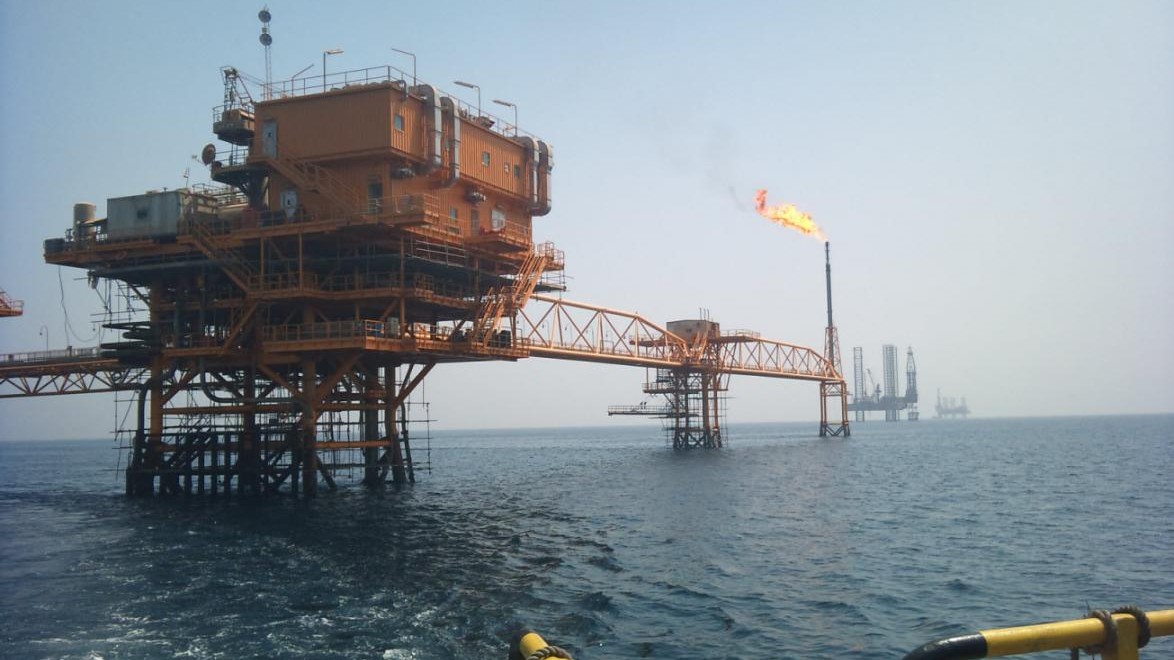
The United States and Iran are engaged in a high-stakes game of geopolitical brinksmanship, with tensions rising amid uncertainty over the future of the Iran nuclear deal and sanctions. The current situation is a culmination of years of complex negotiations and disagreements between the two nations, with the US withdrawing from the Joint Comprehensive Plan of Action in 2018 and reimposing sanctions on Iran. This move has had significant implications for the global energy market, with Iran's oil exports being severely impacted and the country's economy suffering as a result.
The context of the US-Iran tensions is deeply rooted in the geopolitics of the Middle East, with the Iran nuclear deal being a key factor in the region's stability. The deal, which was signed in 2015, aimed to limit Iran's nuclear program in exchange for relief from economic sanctions. However, the US withdrawal from the deal has led to a significant increase in tensions between the two nations, with Iran responding by breaching certain limits on its nuclear activities. The situation has been further complicated by the impact of sanctions on Iran's economy, with the country's oil exports being severely reduced and its people suffering as a result.
The current tensions between the US and Iran have significant implications for the global energy market, with oil prices being closely watched by investors and consumers alike. The prices of crude oil have been volatile in recent months, with any signs of increased tensions between the US and Iran leading to a surge in prices. Countries in the Gulf region, including Qatar, are closely monitoring the situation, as they have significant interests in maintaining stability in the region. The Gulf region is home to some of the world's largest oil and gas reserves, and any disruption to the supply of these resources could have significant implications for the global economy.
As the situation continues to unfold, it remains to be seen who will fold first in the high-stakes game between the US and Iran. The US has maintained a tough stance on Iran, with sanctions being used as a key tool in its approach. However, Iran has shown no signs of backing down, with the country's leaders insisting that they will not be intimidated by the US. Countries in the Gulf region, including Qatar, are calling for a peaceful resolution to the crisis. From their perspective, the situation is a reminder of the need for diplomacy and dialogue in resolving complex geopolitical disputes, and the importance of maintaining stability in the region to ensure the continued flow of oil and gas to global markets.
النسخة العربية
توترات أمريكا-إيران
تتواجه الولايات المتحدة وإيران في مواجهة عالية المخاطر، حيث تتصاعد التوترات في ظل عدم اليقين الجيوسياسي، وتسائل الكثير عن من سيكون أول من يخضع في هذه المواجهة.
تأتي هذه التوترات في سياق الاتفاق النووي الإيراني، الذي شهد تدهوراً في العلاقات بين الطرفين بعد انسحاب الولايات المتحدة من الاتفاق في عام 2018. وقد أدى ذلك إلى فرض عقوبات اقتصادية على إيران، مما أثر على اقتصادها بشكل كبير. وفي المقابل، أعلنت إيران عن استئناف برنامجها النووي، مما أثار مخاوف لدى الولايات المتحدة وحلفائها.
وفقاً لمصادر إخبارية، فإن أسعار النفط تتصاعد مع تصاعد التوترات بين الولايات المتحدة وإيران. حيث سجلت أسعار النفط الخام ارتفاعاً بنسبة 0.17%، ليصل سعر برنت إلى 104.4 دولار للبرميل، فيما سجل سعر النفط الخام الأمريكي ارتفاعاً بنسبة 0.17%، ليصل إلى 98.24 دولار للبرميل. كما سجلت أسعار الغاز الطبيعي ارتفاعاً بنسبة 0.58%، ليصل إلى 2.927 دولار للبرميل.
Source tweet
US and Iran engage in high-stakes game, who will fold first? Tensions rise amid geopolitical uncertainty.
More Stories
 money
moneyQatar Fuel Crisis 2026: Doha Petrol Stations Run Dry Amid Hormuz Tensions
 Diplomacy
US-Iran Nuclear Talks Collapse 2026: Pakistan Mediation Fails in Islamabad
 BREAKING
US-Iran Peace Talks Stall in 2026: Oil Hits 3-Week High on Hormuz Risk
 flights
Gulf Expat Flights Disrupted as Airlines Suspend Routes Over Iran Tensions
 Diplomacy