

الاستيلاء على الأراضي في مقديشو يفجّر احتجاجات وسط اتهامات لمسؤولين بالنهب
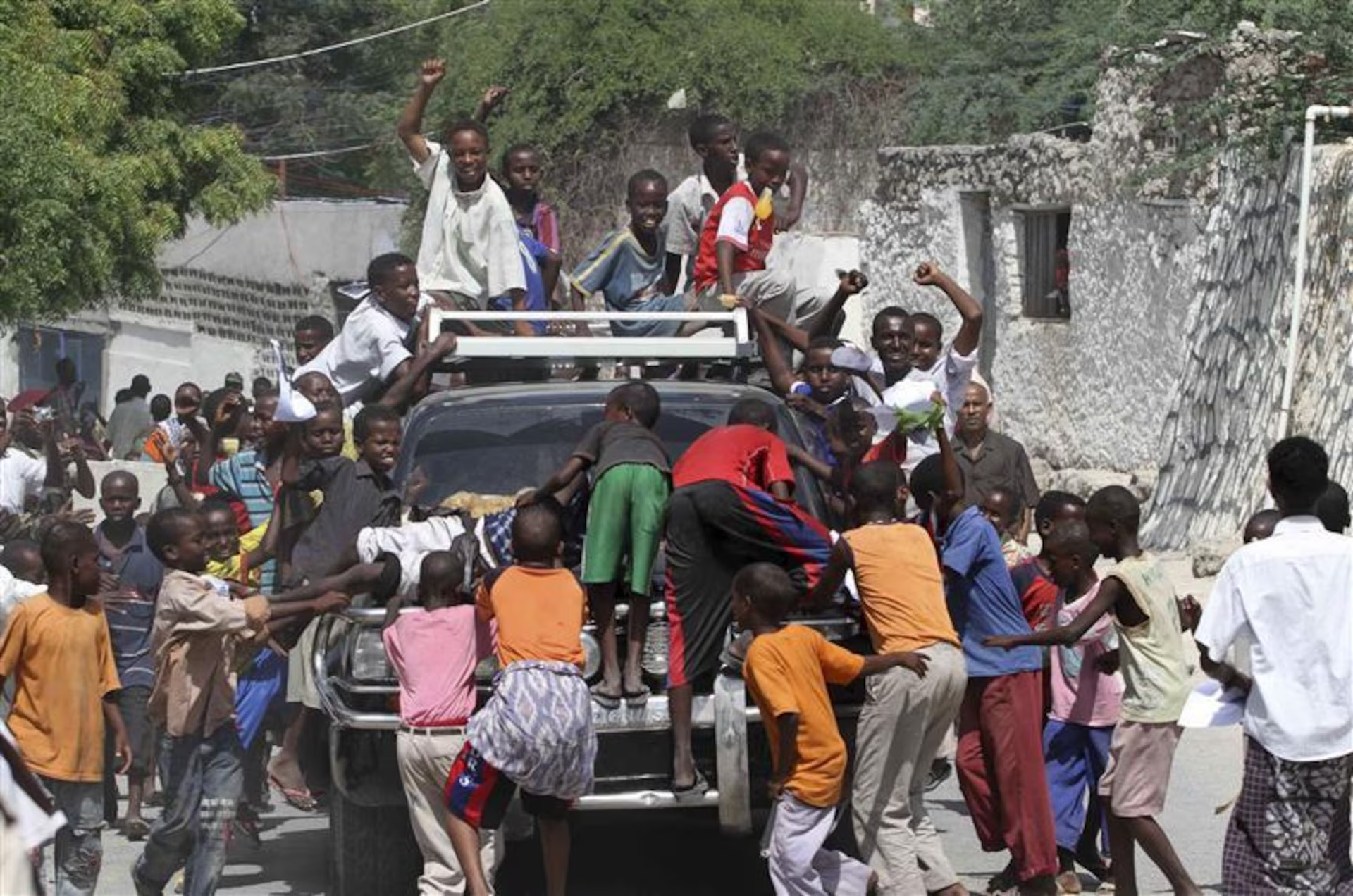
تتصاعد الأزمة في مقديشو بعد تصاعد احتجاجات السكان على الاستيلاء على الأراضي، حيث يتهم شيوخ تقليديون وحتى وزير سابق الحكومة بالاستيلاء على الأراضي الساحلية ومصادرة العقارات بشكل غير قانوني. هذا الخلاف يأتي في وقت تتصاعد فيه التوترات حول حقوق الأرض والحوكمة وسيادة القانون في عهد الرئيس حسن شيخ محمود.
تاريخياً، شهدت مقديشو تحديات كبيرة فيما يتعلق بالاستيلاء على الأراضي، حيث بدأت هذه المشكلة في الظهور بشكل واضح في فبراير 2026، عندما أدان شيوخ تقليديون صوماليون علناً الاستيلاء المستمر على الأراضي والتنمية الساحلية غير المشروعة بالقرب من مقديشو، مع تحذيرهم من أن هذه الممارسة تهدد سيادة القانون. في يناير 2026، أبلغ وزير صومالي سابق عن قيام جنود حكوميين باغتيال منزله، واتهم المسؤولين بالاختلاس والنهب والاستيلاء المنهجي على الأراضي الذي يؤثر على سكان مقديشو. تشير التقارير إلى أن جميع الممتلكات العامة تقريباً في مقديشو قد بيعت، مما يوصف بالنهب بدلاً من الخصخصة الشرعية. وتستمر عمليات الإخلاء القسري للسكان والتجار، بما في ذلك سوق باكارا، مع اشتباكات مسلحة بين السكان والميليشيات المحلية ومجموعات الاستيلاء على الأراضي.
في أبريل 2025، قتل ما لا يقل عن ستة أشخاص في منطقة دينييل لمقاومة الاستيلاء على الأراضي. وقد أدت الاحتجاجات الجماعية إلى تصاعد التوترات حول حقوق الأرض والحوكمة وسيادة القانون في عهد الرئيس حسن شيخ محمود. يمتلك مستثمرون خليجيون وجماعات من الشتات الصومالي مصالح كبيرة في العقارات في مقديشو، ويتأثر التمويل الإعماري والشراكات التنموية التركية والقطرية في الصومال بالاستقلالية القانونية حول تصنيف الأراضي.
من منظور قطري، تثير الأزمة في مقديشو مخاوف حول الاستثمارات القطرية في الصومال، حيث يعتبر التمويل الإعماري والشراكات التنموية بين قطر والصومال جزءاً مهماً من جهود الإعمار والتنمية في البلاد. في الوقت نفسه، يُظهر هذا الوضع الحاجة إلى تعزيز الحوكمة وسيادة القانون في الصومال، لضمان حقوق السكان والأراضي للسكان المحليين، وتعزيز الاستثمارات الأجنبية في البلاد.
English Version
Land grabs in Mogadishu spark protests as elders, ex-minister accuse government of looting
A wave of protests has swept through Mogadishu as traditional elders and a former government minister have publicly accused the Somali government of engaging in widespread land grabbing, sparking concerns over the rule of law and governance in the war-torn country. The accusations come after months of reports of forced evictions, armed clashes, and embezzlement, which have raised tensions among residents and traders in the capital city. The land grabbing crisis has been ongoing for months, with elders and residents warning that the practice is undermining the rule of law and threatening the fragile stability of the city.
The context of the land grabbing crisis in Mogadishu is complex and multifaceted, with roots in the country's decades-long civil war and the subsequent collapse of state institutions. In the absence of a functioning government, public properties and land have been seized by powerful groups and individuals, often with ties to the government or armed militias. The situation has been exacerbated by the lack of clear land titling and property rights, which has created an environment in which land grabbing can thrive. The former minister's accusation that government soldiers raided his house and the reports of forced evictions at Bakara Market and Dayniile district have further fueled the crisis, highlighting the need for urgent action to address the issue.
The implications of the land grabbing crisis in Mogadishu are far-reaching, with significant consequences for the country's reconstruction and development. The legal uncertainty surrounding land titling has created a major obstacle for investors, including those from the Gulf region, who are keen to participate in Somalia's reconstruction efforts. The crisis has also raised concerns among Somali diaspora communities, who hold significant property interests in Mogadishu and are worried about the security of their investments. For Qatar and other Gulf countries, which have been actively engaged in development partnerships with Somalia, the land grabbing crisis poses a major challenge, highlighting the need for a stable and secure environment in which to operate.
المصدر
تتصاعد أزمة الاستيلاء على الأراضي في مقديشو: شيوخ يدينون مصادرة العقارات الساحلية، ووزير سابق يقول إن جنوداً داهموا منزله، وعمليات إخلاء قسري في باكارا ودينيلي أوقعت قتلى.
المزيد من القصص
 سياسة
سياسةندعو الحكومة إلى نشر الجيش في كل الأراضي اللبنانية
 سياسة
سياسةإطلاق دفعة صاروخية جديدة باتجاه شمالي الأراضي المحتلة
 عاجل
عاجلإنقاذ طيارين أمريكيين من عمق الأراضي المعادية في عملية تاريخية غير مسبوقة
 أفريقيا
إطلاق منصة تنسيق الزراعة في مقديشو من قبل نائب رئيس الوزراء الصومالي
 إيران
إيران