

إغلاق منشأة رأس لفان القطرية للهيليوم بعد الضربات الإيرانية يهدد الإمدادات العالمية
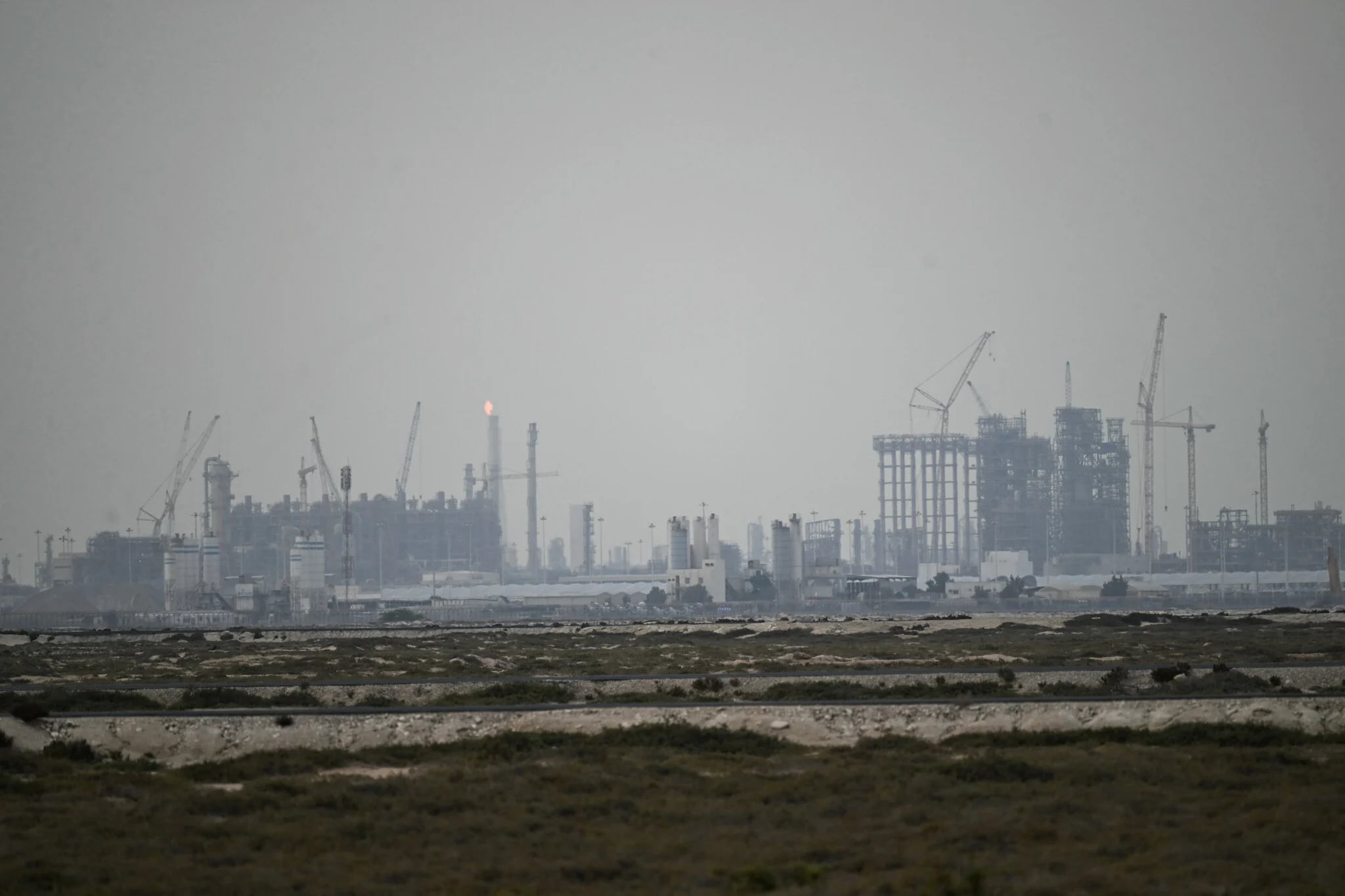
منشأة رأس لفان القطرية للهيليوم، التي توفر 30% من الإمدادات العالمية، لا تزال مغلقة بعد الضربات الإيرانية في مارس، مما يهدد بتفاقم أزمة نقص الإمدادات العالمية للهيليوم.
تعد منشأة رأس لفان القطرية للهيليوم واحدة من أكبر مصانع الهيليوم في العالم، وتلعب دوراً حاسماً في تلبية الطلب العالمي على هذا الغاز النادر. وقد أدت الضربات الإيرانية إلى إيقاف العمل في المنشأة، مما أثر على الإمدادات العالمية وزيادة الطلب على الهيليوم من قطاع الفضاء والصناعات التقنية. ومن المتوقع استئناف العمليات في الصيف، مما قد يساعد في تخفيف الضغط على السوق العالمية.
تعد أزمة نقص الإمدادات العالمية للهيليوم مشكلة حاسمة، حيث يعتمد العديد من القطاعات على هذا الغاز النادر، بما في ذلك قطاع الفضاء والصناعات التقنية. وقد أدت زيادة الطلب على الهيليوم إلى تفاقم أزمة النقص، مما يهدد بزيادة الأسعار وعدم استقرار السوق. ومن المتوقع أن يستمر الطلب على الهيليوم في النمو، مما يزيد من الضغط على السوق العالمية.
من منظور قطري، فإن إغلاق منشأة رأس لفان القطرية للهيليوم يعد مصدر قلق، حيث تعتبر قطر واحدة من أكبر مصدري الهيليوم في العالم. وقد أدت الضربات الإيرانية إلى إيقاف العمل في المنشأة، مما أثر على الإمدادات العالمية وزيادة الطلب على الهيليوم. ومع استئناف العمليات في الصيف، من المتوقع أن تعود الإمدادات إلى مستوياتها الطبيعية، مما يساعد في تخفيف الضغط على السوق العالمية. ومع ذلك، فإن أزمة نقص الإمدادات العالمية للهيليوم لا تزال مشكلة حاسمة، ويتطلب الأمر جهوداً مشتركة من قبل جميع الأطراف المعنية لتحقيق استقرار السوق العالمية.
English Version
Qatar's Ras Laffan helium facility offline after Iranian strikes, threatens global supply
Qatar's Ras Laffan helium facility, which accounts for 30% of the world's global helium supply, remains offline following Iranian strikes in March, posing a significant threat to the already strained global helium market. The facility is expected to resume operations late summer, a timeline that will likely exacerbate the critical shortage of helium as demand from the space and artificial intelligence sectors continues to surge. This development has significant implications for the global economy, as helium is a crucial component in various industries, including space exploration, medical imaging, and semiconductor manufacturing.
The context of this shortage is rooted in the unique properties of helium, which make it an essential element in various industrial applications. As the second-most abundant element in the universe, helium is surprisingly rare on Earth, and its extraction is a complex and costly process. The global helium market has been facing challenges in recent years, with demand outpacing supply and leading to a significant shortage. The shutdown of the Ras Laffan facility has further exacerbated this shortage, leaving many industries scrambling to secure alternative sources of helium. The space and artificial intelligence sectors, in particular, are heavily reliant on helium, which is used as a coolant for superconducting materials and in the production of semiconductors.
The significance of this shortage cannot be overstated, as it has the potential to disrupt various industries and hinder technological advancements. The space industry, for example, relies heavily on helium to cool the superconducting materials used in rocket propulsion systems. Similarly, the artificial intelligence sector relies on helium to cool the high-performance computing systems used in data centers. The shortage of helium will likely lead to increased costs and reduced productivity in these industries, which could have far-reaching consequences for the global economy. As the world's second-largest helium producer, Qatar plays a critical role in meeting global demand, and the shutdown of the Ras Laffan facility has significant implications for the country's economy and its position as a major player in the global energy market.
المصدر
منشأة رأس لفان القطرية للهيليوم التي توفر 30% من الإمدادات العالمية لا تزال مغلقة بعد الضربات الإيرانية في مارس. من المتوقع استئناف العمليات في الصيف مع تزايد الطلب من قطاع الفضاء والذكاء الاصطناعي.
المزيد من القصص
 أفريقيا
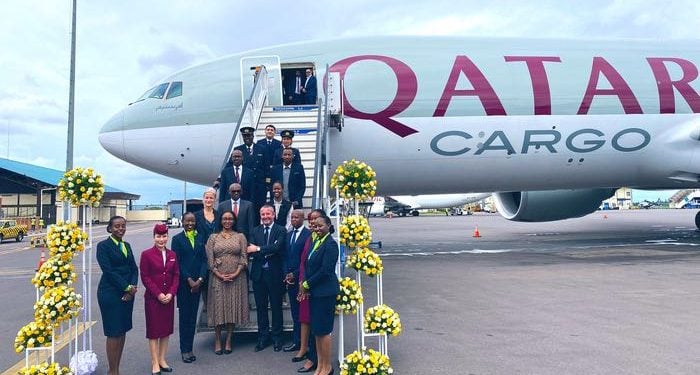
الخطوط الجوية القطرية توجه طيارين إلى رواندا لتطوير قطاع الطيران الإقليمي
 إيران
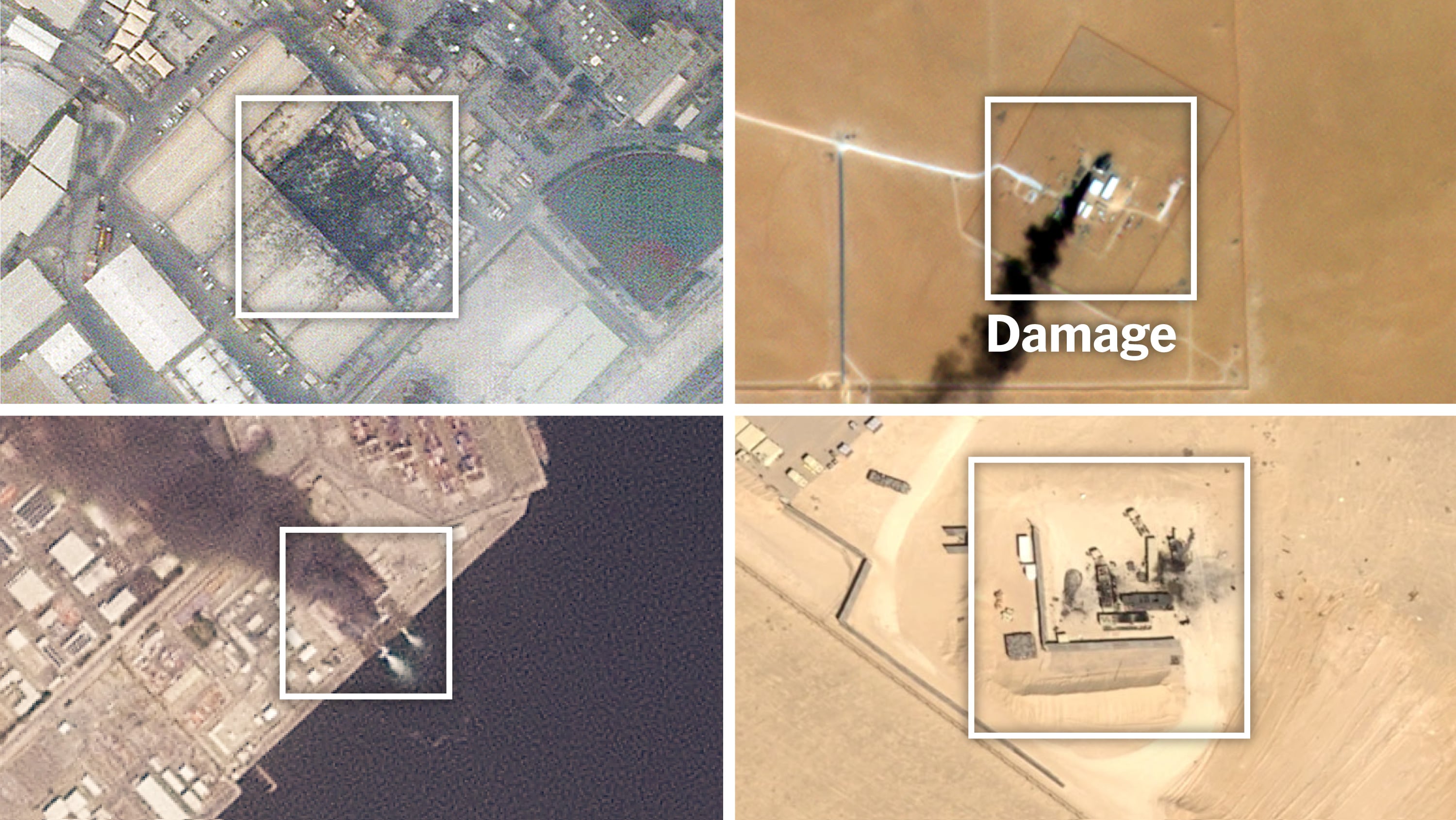
إيرانالبنتاغون: 184 مليون دولار خسائر من الضربات الإيرانية على منشآت أمريكية
 اقتصاد
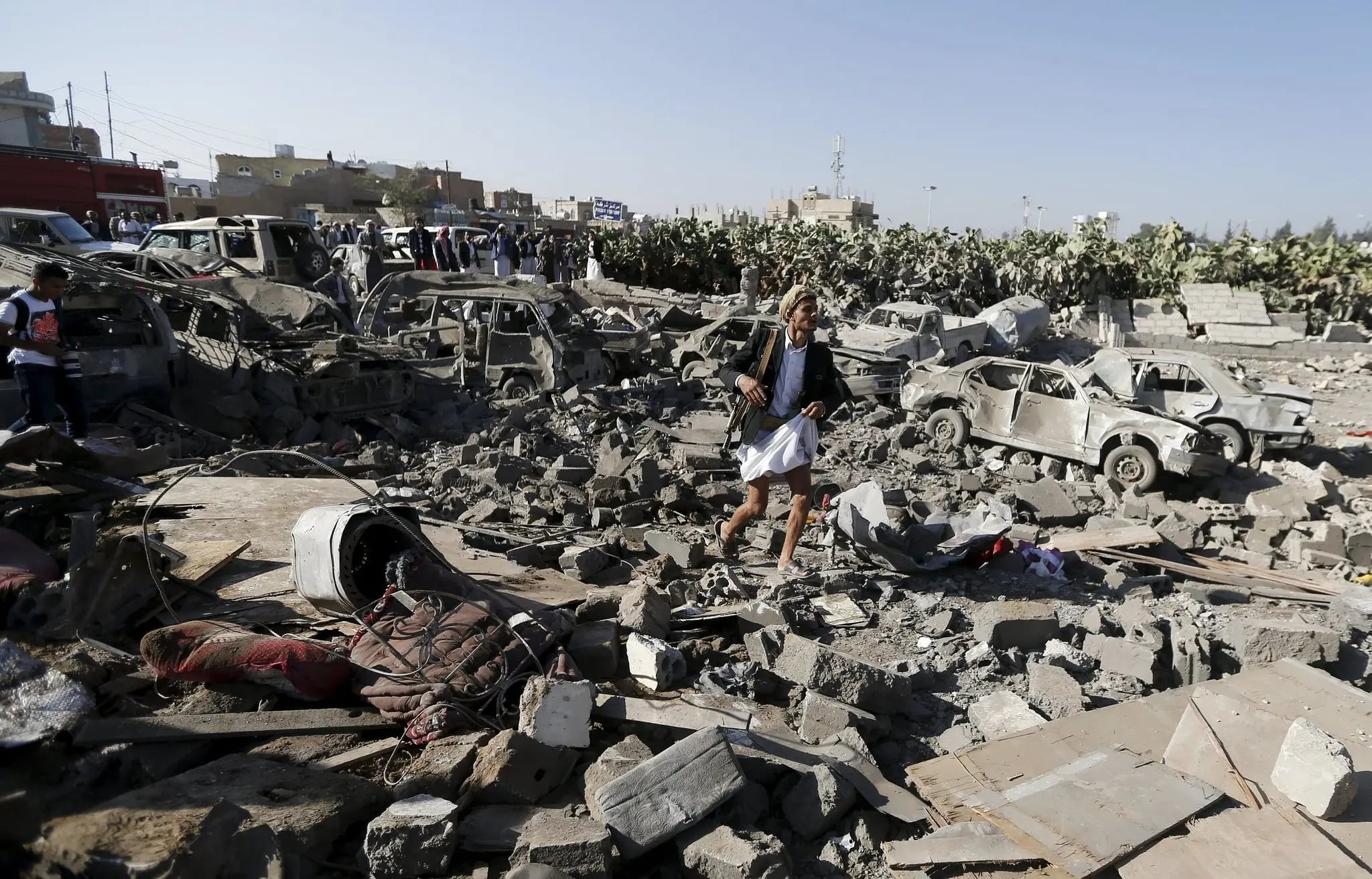
الحوثيون يتقدمون في اليمن ويستهدفون منشأة سعودية نفطية
 عام
عاماثنان تم تقيدهما بعد شجار على متن رحلة الخطوط الجوية القطرية من ملبورن
 دبلوماسية