

Houthis Advance in Yemen, Attack Saudi Pipeline Compound
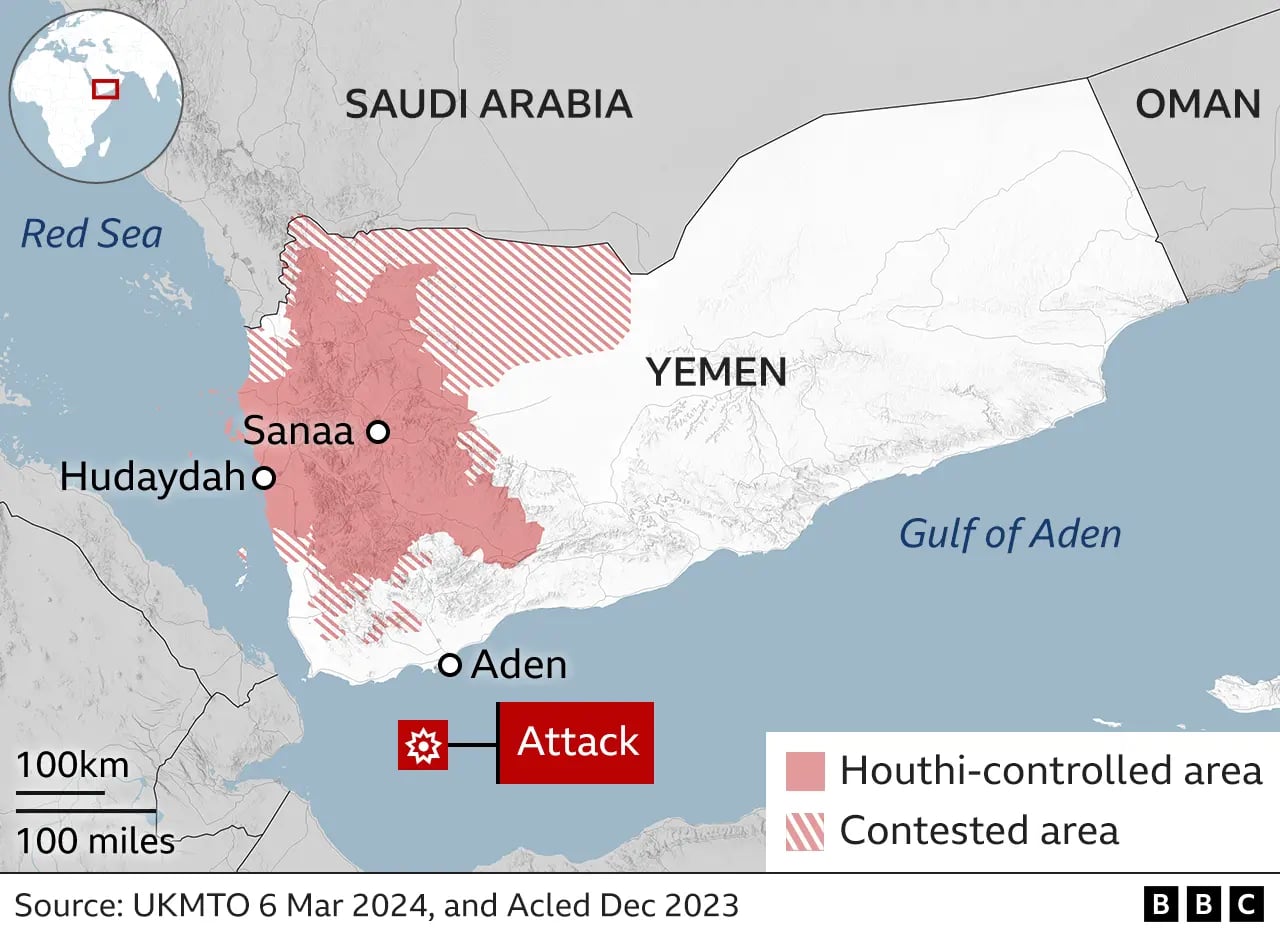
Houthi forces have expanded their territorial reach in Yemen and struck a Saudi oil pipeline facility, according to regional reporting, escalating a conflict that increasingly threatens shipping and energy infrastructure near the Bab al-Mandab Strait. The strait is one of the world's most critical chokepoints, funneling traffic between the Red Sea and the Gulf of Aden, and any disruption there ripples through global oil and container shipping routes that connect Europe, Asia and the Gulf. The Iran-aligned Houthi movement has controlled much of northern Yemen, including the capital Sanaa, since 2014, prompting a Saudi-led military coalition to intervene in 2015. A UN-brokered truce in 2022 curbed large-scale fighting for a period, but sporadic attacks on Saudi and regional infrastructure have continued, echoing the 2019 drone and missile strikes on Saudi Aramco's Abqaiq and Khurais facilities that briefly knocked out roughly half the kingdom's oil output. Since late 2023, Houthi forces have also targeted commercial vessels transiting the Red Sea, citing the war in Gaza, forcing many shippers to reroute around Africa's Cape of Good Hope and adding weeks to voyage times. The latest pipeline attack adds a new pressure point on Saudi energy exports at a moment when global markets are already sensitive to Gulf security risks. For Qatar, which has positioned itself as a mediator in regional crises including Gaza ceasefire talks, continued instability in Yemen and the Bab al-Mandab corridor underscores the fragility of Gulf energy security and the stakes in Doha's broader push for de-escalation across the region.
النسخة العربية
الحوثيون يتقدمون في اليمن ويستهدفون منشأة سعودية نفطية
أفادت تقارير إقليمية بأن قوات الحوثي وسّعت نفوذها الجغرافي في اليمن واستهدفت منشأة لخط أنابيب نفطي سعودي، في تصعيد يهدد بشكل متزايد الملاحة والبنية التحتية النفطية قرب مضيق باب المندب. ويُعد المضيق أحد أهم الممرات المائية في العالم، إذ يربط البحر الأحمر بخليج عدن، وأي اضطراب فيه ينعكس مباشرة على طرق نقل النفط والحاويات التي تصل أوروبا وآسيا بدول الخليج. وتسيطر حركة الحوثي المدعومة من إيران على معظم شمال اليمن، بما في ذلك العاصمة صنعاء، منذ عام 2014، وهو ما دفع تحالفاً عسكرياً بقيادة السعودية للتدخل عام 2015. وأسهمت هدنة برعاية الأمم المتحدة عام 2022 في تهدئة القتال الواسع لفترة، إلا أن هجمات متفرقة على منشآت سعودية وإقليمية استمرت، في تكرار لهجمات عام 2019 بالطائرات المسيّرة والصواريخ على منشأتي أرامكو السعودية في بقيق وخريص، والتي أوقفت مؤقتاً نحو نصف إنتاج المملكة من النفط. ومنذ أواخر 2023، استهدفت قوات الحوثي أيضاً سفناً تجارية عابرة في البحر الأحمر بذريعة الحرب على غزة، ما اضطر العديد من شركات الشحن لتغيير مسارها عبر رأس الرجاء الصالح جنوب أفريقيا، مضيفاً أسابيع لزمن الرحلات. ويضيف الهجوم الأخير على خط الأنابيب نقطة ضغط جديدة على صادرات الطاقة السعودية في وقت باتت فيه الأسواق العالمية حساسة أصلاً لمخاطر أمن الخليج. وبالنسبة لقطر، التي رسّخت دورها كوسيط في أزمات إقليمية من بينها مفاوضات وقف إطلاق النار في غزة، فإن استمرار عدم الاستقرار في اليمن وممر باب المندب يؤكد هشاشة أمن الطاقة الخليجي وأهمية مساعي الدوحة الأوسع لخفض التصعيد في المنطقة.
Source tweet
Houthi territorial expansion in Yemen's Bab al-Mandab Strait and attacks on Saudi oil infrastructure intensify pressure on global energy markets amid ongoing regional tensions.
More Stories
 Economy
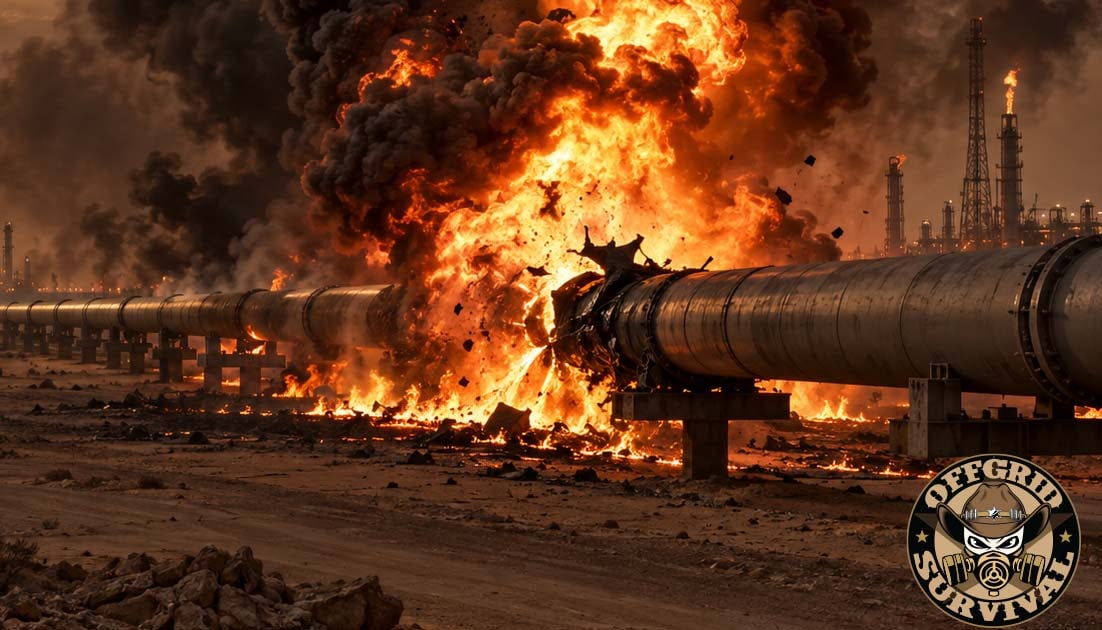
Saudi Oil Pipeline Hit by Iraqi Drones; Diesel Climbs to $6 Amid Global Supply Crisis
 Iran
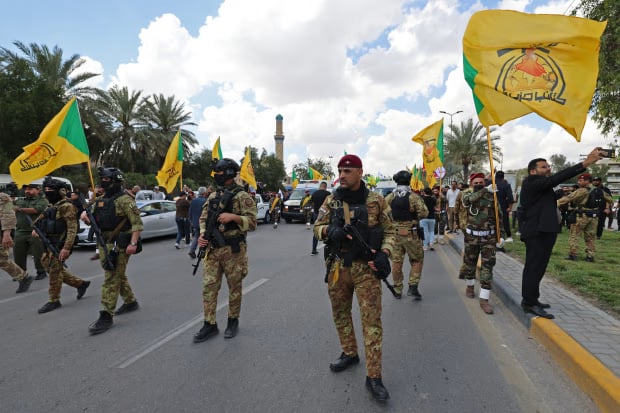
IranIraq Moves to Contain Fallout After Iran-Backed Militias Accused of Saudi Pipeline Attack
 Iran
IranHouthis seize Red Sea strait as coordinated drone attacks target Saudi pipeline
 Economy
Hormuz Is Disrupted. Now Saudi Arabia's Red Sea Oil Route Faces a New Threat
 Gulf
Gulf