

تركيا تشنّ غارات جوية على الدول المسلمة أكثر من أي دولة أخرى باستثناء إسرائيل
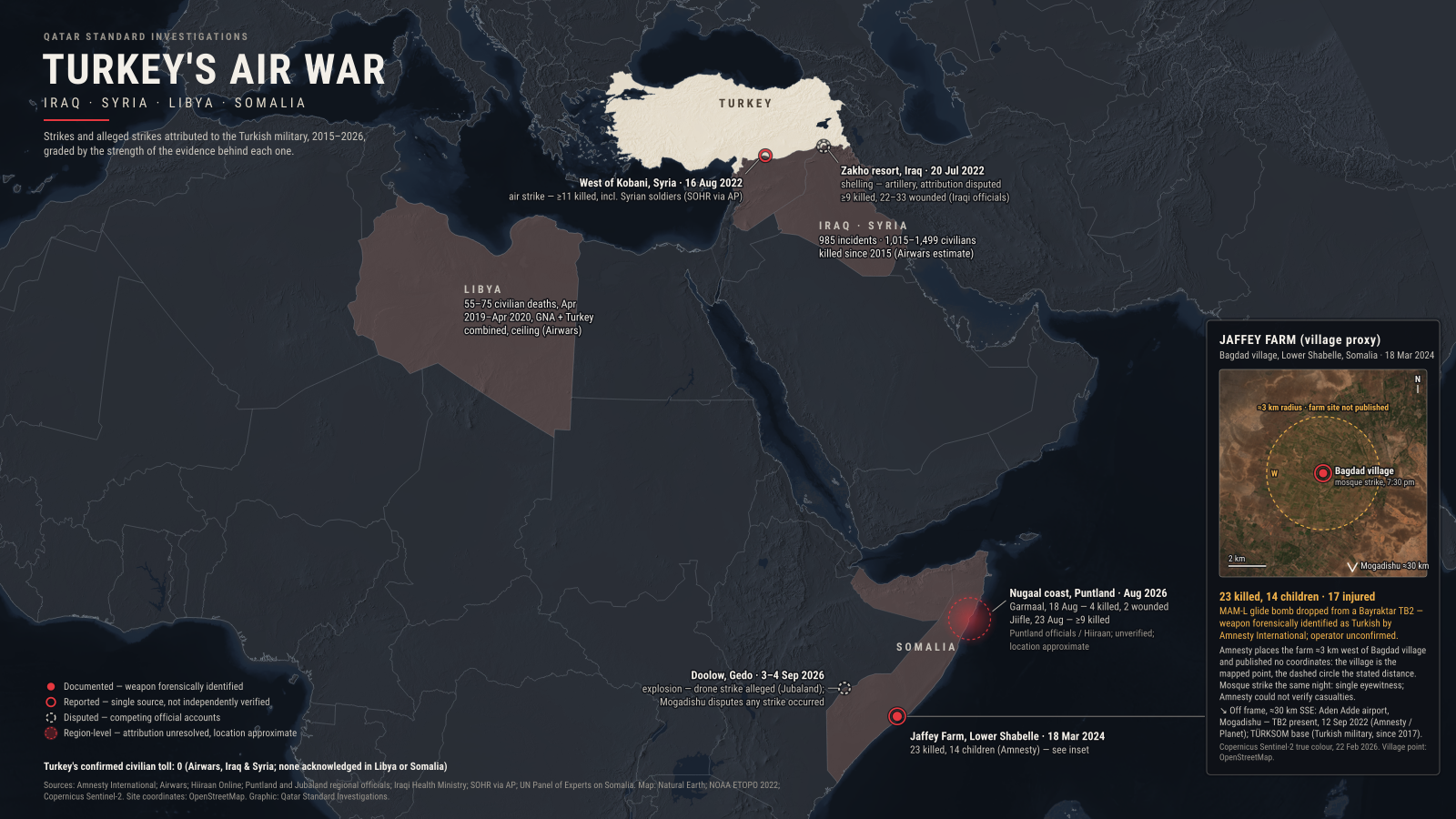
كان ذلك في شهر رمضان، بعد الثامنة مساءً بقليل، حين سقطت القنبلة الأولى على مزرعة جافي. كانت العائلات المحتمية هناك قد فرّت من ضربة بطائرة مسيّرة استهدفت، قبل نصف ساعة، مسجداً في قرية بغداد الصومالية المجاورة. جاءت القنبلة الثانية بعد نحو ثلاثين دقيقة، فيما كان جيران من قريتين أخريين يهرعون لانتشال الناجين. وبحلول الصباح كان 23 مدنياً قد قُتلوا، بينهم 14 طفلاً. السلاح، كما أثبتت منظمة العفو الدولية لاحقاً من الشظايا التي خلّفها في التراب، كان قنبلة انزلاقية من طراز «MAM-L» صُنعت في تركيا وأُلقيت من طائرة «بيرقدار TB2» تركية الصنع. وبعد عامين ونصف، لم يقل أحد من كان يقودها.
هذا الصمت هو الخيط الذي يربط حروب تركيا الجوية كلها. فعبر العراق وسوريا وليبيا والصومال، تُحصي جهات الرصد المستقلة المدنيين الذين قتلتهم الضربات التركية بالمئات وصولاً إلى ما يزيد قليلاً على الألف. أما العدد الذي يقرّ به الجيش التركي للمدنيين الذين قتلهم في أي من هذه البلدان فهو صفر. وكلما ابتعد الضحايا عن حكومة قادرة على إحراج أنقرة، قلّ ما تجد تركيا نفسها مضطرة إلى قوله.
مزرعة ومسجد وقنبلتان
تقع مزرعة جافي على بعد نحو ثلاثة كيلومترات غرب قرية بغداد، وهي قرية زراعية صومالية تحمل اسم العاصمة العراقية، في إقليم شبيلي السفلى، وهو شريط زراعي جنوب غرب مقديشو يتقاتل فيه الجيش الصومالي وحركة الشباب منذ سنوات. في 18 مارس 2024 اندلع قتال بري بين الطرفين قرب بغداد وقرية جمبلول المجاورة. وقرابة السابعة والنصف مساءً، وفق شاهد عيان قابلته منظمة العفو، ضربت طائرة مسيّرة مسجداً على الطرف الشرقي من بغداد فدمّرته وألحقت أضراراً بالمنازل المجاورة. هرع المدنيون إلى المزرعة.
قتلت الضربة الأولى على المزرعة عدداً منهم وجرحت آخرين. أما الثانية، بعد نصف ساعة تقريباً، فقتلت وجرحت من جاؤوا من قريتي أليفو وغالغوبي لإنقاذ الناجين من الأولى. كل القتلى والجرحى ينتمون إلى عشيرة غورغارتي المهمّشة. وتحطّمت خمس عائلات.
كان معلم آدم حسين حسن عدو، المزارع البالغ 49 عاماً، في أفغوي تلك الليلة. قُتلت زوجته أصلي بولي حسن (40 عاماً) في المزرعة، ومعها ابنه ضاهر (14 عاماً) وابنتاه إشواق (7 أعوام) وأسماء (6 أعوام) وابنا أخيه البالغان 7 و9 أعوام. وتوفيت شقيقته لاحقاً في مستشفى بمقديشو متأثرة بإصابة في الرأس.
قال لمنظمة العفو: «تعرّفت على جثث زوجتي وأطفالي في المكان. دُفنت زوجتي وأطفالي في قبر جماعي واحد في قرية غالغوبي، فيما دُفن ابنا أخي في قرية أليفو. لا أعرف لماذا استُهدفت عائلتي في شهر رمضان المبارك. قلبي مكسور».
أما محمد علي ديري فكان في أليفو حين سمع الانفجار الأول وعلم أن شقيقه إسماعيل أُصيب، فأسرع مع ابنه إلى المزرعة. قال: «حين وصلنا إلى المزرعة استهدفنا انفجار آخر غطّى المكان بسحابة من الغبار. كان المشهد فوضوياً: صراخ ودماء وجثث في كل مكان». قُتل شقيقه وابن شقيقه البالغ تسعة أعوام، وأُصيب ابنه البالغ 22 عاماً بجروح خطيرة في ظهره.
في اليوم التالي أعلنت وزارة الإعلام الصومالية أن قواتها قتلت «بالتنسيق مع شركاء دوليين» أكثر من 30 مقاتلاً من حركة الشباب في بغداد وبلدوسكا، بينهم 15 «في غارة جوية على بغداد». ولم تأتِ على ذكر المدنيين.
السلاح تركي. أما الطيّار فسرّ
قابل محققو منظمة العفو 12 شخصاً عن بُعد، بينهم أربعة من الضحايا وشهود العيان وأربعة من أقارب القتلى، وراجعوا صور الأقمار الاصطناعية والتقارير الطبية، وفحصوا صور الضحايا وشظايا الأسلحة، وحدّدوا مواقع مقاطع مصوّرة من المزرعة ومن مطار مقديشو. وكانت الشظايا كافية ليؤكد خبير الأسلحة في المنظمة نوع الذخيرة: قنابل «MAM-L» الانزلاقية التي تُلقى من طائرات «TB2». وكلاهما تركي الصنع.
ما لم تستطع المنظمة إثباته هو من كان يمسك بأجهزة التحكم. فقد أخبر مصدر في الحكومة الصومالية المنظمةَ بأن وكالة الاستخبارات والأمن الوطني الصومالية هي التي تقود طائرات «TB2» في العمليات القتالية. لكن فريق خبراء الأمم المتحدة المعني بالصومال أفاد في عام 2022 بأن الحكومة التركية تقول إنها لم تنقل الطائرات إلى الصومال أصلاً، بل تشغّلها بنفسها «في إطار مكافحة الإرهاب». وفي العام نفسه نُقل عن أحمد معلم فقي، وزير الداخلية الصومالي آنذاك ووزير الدفاع اليوم، قوله إن القوات التركية تشغّل الطائرات فيما يزوّدها القادة الصوماليون بالأهداف.
في 5 أبريل 2024 كتبت منظمة العفو إلى الحكومتين تطلب تفاصيل العملية، بما فيها قوات أي بلد كانت تتحكم بالطائرة تلك الليلة. ولم يردّ أي منهما. وقال تيغيري تشاغوتا، المدير الإقليمي للمنظمة في شرق أفريقيا وجنوبها، عند نشر النتائج في مايو: «على الحكومتين الصومالية والتركية التحقيق في هذه الضربات القاتلة بوصفها جريمة حرب، ووضع حدّ للهجمات المتهورة على المدنيين». وخلصت تقارير لاحقة للمنظمة إلى أن أياً من الحكومتين لم تفتح تحقيقاً، وأن الناجين لم يحصلوا على حقيقة أو عدالة أو تعويض.
ولم تؤكد تركيا أو تنفِ أو تعلّق على مزرعة جافي منذ ذلك الحين.
حين يشتكي العراق، تجيب أنقرة في يوم واحد
تركيا قادرة تماماً على الردّ على اتهام بإيذاء المدنيين. والدليل هو زاخو.
في 20 يوليو 2022 أصاب قصف مدفعي منتجعاً سياحياً في محافظة دهوك بإقليم كردستان العراق قرب الحدود التركية. قال مسؤولون عراقيون إن تسعة أشخاص على الأقل قُتلوا، بينهم أطفال، وأُصيب ما بين 22 و33 آخرين، وحدّدت مصادر عراقية مدفع هاوتزر تركياً مصدراً للقصف.
في غضون يوم واحد نفى وزير الخارجية التركي آنذاك مولود جاويش أوغلو أن تكون القوات التركية قد نفّذت الهجوم، وحمّل «منظمات إرهابية» المسؤولية، مضيفاً أن أنقرة ستتعاون مع السلطات العراقية. استدعى العراق السفير التركي في بغداد وسحب قائمه بالأعمال من أنقرة وقدّم شكوى رسمية إلى مجلس الأمن الدولي، وحمّل رئيس وزراء إقليم كردستان مسرور بارزاني «القصف التركي» المسؤولية مباشرة وأعلن تحقيقاً مشتركاً مع بغداد. ولا تزال تركيا تنازع في نسبة الهجوم إليها حتى اليوم.
هكذا يبدو ضغط المساءلة حين يكون الطرف المتضرر دولة قادرة على حمل شكواها إلى مجلس الأمن. والمفارقة واضحة: فالعراق ليس شريكاً لتركيا بل هدفها الأقدم، إذ تضرب الطائرات التركية الأراضي العراقية منذ عقد، ومع ذلك حصلت بغداد على جوابها في يوم واحد. أما الصومال، الذي بنت تركيا جيشه وتدرّبه، فحصل على رسالة بلا جواب.
عقد من الضربات عبر الحدود
الصومال أحدث الساحات لا أكبرها. فمنذ عام 2015 تشنّ تركيا حملة جوية متواصلة ضد الجماعات الكردية المسلحة في شمال العراق وشمال شرق سوريا، ونفّذت منذ 2016 ثلاث عمليات برية كبرى عبر الحدود في سوريا لكل منها اسم. وقد سجّلت «إيروورز»، جهة الرصد التي تتخذ من لندن مقراً وتتابع أضرار القوة الجوية على المدنيين، 985 حادثة تتعلق بعمل عسكري تركي في العراق وسوريا. ويتراوح تقديرها لعدد القتلى المدنيين بين 1,015 و1,499، وللمصابين بين 2,443 و3,355. ومن بين القتلى ما بين 215 و242 طفلاً.
ويُظهر يوم واحد من أغسطس 2022 كم صار القتل روتينياً. ففي 16 أغسطس قتلت غارة جوية تركية غرب كوباني 11 شخصاً على الأقل بينهم جنود من الجيش السوري، وفق المرصد السوري لحقوق الإنسان، فيما قدّرت وسائل إعلام كردية العدد بـ16 أو 22. وفي اليوم نفسه أعلنت وزارة الدفاع التركية أن مدفعيتها قتلت 13 مسلحاً كردياً مشتبهاً به رداً على هجوم على مركز حدودي أودى بجندي تركي. في رواية أنقرة لا مدنيين ولا ضربة على قوات سورية، بل «إرهابيون» فقط.
وتضيف ليبيا طبقة أخرى. فخلال عام من أبريل 2019 زوّدت تركيا حكومة طرابلس بالطائرات المسيّرة ونشرتها علناً دعماً لها أثناء حصار العاصمة. وأحصت «إيروورز» 402 ضربة جوية ومدفعية نفّذتها تلك الحكومة وتركيا معاً في تلك الأشهر الاثني عشر، وما بين 55 و75 قتيلاً مدنياً، ولم تستطع فصل حصة كل طرف. ولم تعترف تركيا يوماً بسقوط مدنيين في ليبيا أيضاً.
ضع الأرقام جنباً إلى جنب يتضح النمط: الإحصاءات المستقلة تقول أكثر من ألف قتيل مدني في العراق وسوريا، وعشرات في ليبيا، و23 في مزرعة صومالية واحدة. وإحصاء تركيا يقول صفراً في كل مكان.
الصومال: حيث بنت تركيا الجيش ثم بنت الصمت
الوجود التركي في الصومال ليس هامشياً. فقاعدة «تركصوم»، أكبر قواعد تركيا في الخارج، تدرّب الجنود الصوماليين على أطراف مقديشو منذ 2017، وقال السفير التركي إن أنقرة درّبت نحو ثلث الجيش الصومالي. وتحلّق طائرات «TB2» دعماً للعمليات الصومالية ضد حركة الشباب منذ 2022 على الأقل، حين رصد محللو منظمة العفو إحداها في ساحة وقوف الطائرات بمطار آدم عدي. وفي فبراير 2024، قبل أسابيع من مزرعة جافي، وقّعت الحكومتان اتفاقية إطارية للتعاون الدفاعي والاقتصادي، تلاها بعد شهر اتفاق للتنقيب عن الطاقة في البحر. وذكر موقع «نورديك مونيتور» لاحقاً، استناداً إلى وثائق مسرّبة، أن تركيا حصلت على حقوق 90 في المئة من أي إنتاج ناتج عنه. وفي أبريل 2026 بدأت سفينة الحفر التركية «تشاغري بك» الحفر في المياه الصومالية.
وفي ظل هذا الحضور، نُسبت إلى تركيا مجموعتان جديدتان من الضربات.
الأولى في أغسطس 2026 على ساحل بونتلاند، الإقليم شبه المستقل في شمال شرق الصومال. ففي 17 أغسطس اختطف قراصنة سفينة الشحن «لطف» التي كانت، وفق مسؤول صومالي نقلت عنه وكالة أسوشيتد برس، تحمل أسلحة ومعدات اتصالات وأقمار اصطناعية تركية متوجهة إلى منشأة تدريب عسكرية تركية في مقديشو. وقال المسؤول إن سفينتين مملوكتين لجهات تركية ومروحيات أو طائرات مسيّرة تركية تعقّبت السفينة المختطفة في الأيام التالية. وفي 18 أغسطس قتلت ضربة في غرمال أربعة أشخاص وجرحت اثنين، وفق مسؤولي بونتلاند الذين وصفوا القتلى بأنهم صيادون مدنيون. وفي 23 أغسطس قتلت ضربة أخرى في جيفلي تسعة على الأقل، وفق موقع «هيران أونلاين». وصفت الروايات الأولى القتلى بأنهم «قراصنة مشتبه بهم»، فيما أصرّ الأقارب والسكان على أنهم صيادون، ولم يتحقق أحد بشكل مستقل من أي من الوصفين.
لم تعلن أي قوة عسكرية مسؤوليتها عن الضربتين. واتهم نائب وزير الأمن في بونتلاند تركيا علناً. أما ردّ تركيا، إن جاز تسميته رداً، فجاء في صيغتين لا تتطابقان: نقل موقع صومالي نفياً تركياً، فيما نقل آخر عن الخارجية التركية قولها لبي بي سي الصومالية إنها «لا تملك معلومات». ولا يشبه أي منهما النفي الصريح الذي تلقّاه العراق في اليوم التالي لزاخو.
والثانية في الأيام الأولى من سبتمبر في دولو على الحدود الإثيوبية بجوبالاند. ففي ليل 3–4 سبتمبر ضرب انفجار منزل الجنرال مهد عبد الرحمن عدن الملقب بـ«شوب»، القائد السابق لقوات الإصلاحيات الصومالية الذي أُقيل من منصبه في مارس. قالت حكومة جوبالاند الإقليمية إن طائرة مسيّرة تركية ضربت المنزل وإن خمسة أشخاص أُصيبوا، وهو رقم لم يؤكده أي مصدر آخر. ونفت الحكومة الفيدرالية الصومالية أي دور لها ووصفت الحادث بأنه انفجار داخلي لا ضربة. واتهم رئيس الوزراء الأسبق حسن علي خيري الحكومة الفيدرالية نفسها. أما تركيا فلم تقل شيئاً.
ثلاث ضربات وصمت واحد
الحالات الصومالية الثلاث ليست متطابقة، ومزرعة جافي وحدها تملك إعادة البناء الجنائية التي تتيح لمحقق خارجي تسمية السلاح. فقتلى بونتلاند تستند روايتهم إلى مسؤولين إقليميين ومواقع صومالية متفقة على الوقائع الأساسية نفسها، ودولو تستند إلى كلمة جوبالاند التي تنازع فيها مقديشو.
لكن الشكل يتكرر. في كل حالة سلاح تركي الصنع أو سفينة مملوكة لجهة تركية أو طائرة تشغّلها تركيا قرب المكان. وفي كل حالة صوماليون قتلى أو جرحى، وجهة صومالية، سواء محقق حقوقي أو حكومة إقليمية أو رئيس وزراء سابق، تسأل من فعل ذلك. وفي كل حالة، البلد الذي بنى جيش الصومال ودرّب ثلث جنوده ويطيّر مسيّراته ويحفر اليوم قاع بحره يمتنع عن الجواب.
بعد عامين على مزرعة جافي، ما زال الناجون من خمس عائلات من غورغارتي ينتظرون جواباً عن سؤال واحد: من كان يقود الطائرة التي قتلت أطفالهم؟ أُتيحت لأنقرة كل فرصة لتجيب. لقد أجابت العراق، البلد الذي تقصفه، ولم تجب الصومال قط، البلد الذي تسلّحه.
ملاحظات: أرقام الضحايا في العراق وسوريا هي نطاقات «إيروورز» للعمل العسكري التركي منذ 2015، للحوادث التي تصنّفها «موثوقة إلى حد معقول» أو التي أكدتها تركيا. رقم ليبيا يغطي عاماً واحداً من حصار طرابلس ولا يمكن فصله عن ضربات قوات حكومة طرابلس نفسها، فهو سقف لا إحصاء تركياً. أرقام زاخو من مسؤولين عراقيين، وتشمل حصيلة 22 جريحاً من وزارة الصحة العراقية فيما أوردت تقارير أخرى ما يصل إلى 33، وتنازع تركيا في نسبة الهجوم إليها. رواية مزرعة جافي والأسماء والاقتباسات مأخوذة من تحقيق منظمة العفو الدولية الصادر في مايو 2024. ضربة كوباني في أغسطس 2022 نقلتها أسوشيتد برس عن المرصد السوري ووسائل إعلام كردية، والصورة المرافقة صورة أرشيفية لكوباني من وكالة فرانس برس ولا تُظهر تلك الضربة بعينها. روايتا بونتلاند ودولو تستندان إلى بيانات حكومات إقليمية ومواقع صومالية دون تحقق جنائي مستقل، ولا يثبت أي مصدر أن الجيش التركي نفّذ أياً منهما، وتنازع مقديشو في كون حادثة دولو غارة جوية أصلاً. وأُدرج اتفاق الطاقة التركي في الصومال بوصفه سياقاً موثقاً لا دافعاً. لم يُقدَّر أي رقم في هذه المادة أو يُنمذَج أو يُخترع.
المصادر: منظمة العفو الدولية، "الصومال: مقتل 23 مدنياً في ضربات عسكرية بطائرات مسيّرة تركية قد يرقى إلى جرائم حرب"، 7 مايو 2024؛ منظمة إيروورز، الجيش التركي في العراق وسوريا، وتقرير "عام من العيش في خطر" عن ليبيا، أبريل 2020؛ أسوشيتد برس عبر الأهرام أونلاين، 16 أغسطس 2022؛ وزارة الصحة العراقية عبر وكالة بيريگراف؛ ميدل إيست آي، ذا نيو أراب، رووداو ومونيتور بشأن زاخو؛ أسوشيتد برس، هيران أونلاين، غارووي أونلاين وبيدوا أونلاين بشأن بونتلاند ودولو؛ فريق خبراء الأمم المتحدة المعني بالصومال، 2022؛ نورديك مونيتور؛ وكالة الأناضول.
English Version
Turkey Has More Air Strikes on Muslim Countries Than Any Country Besides Israel
It was the holy month of Ramadan, a little after 8 p.m., when the first bomb fell on the Jaffey farm. The families sheltering there had fled a drone strike on a mosque in the nearby Somali village of Bagdad half an hour earlier. The second bomb came about 30 minutes after the first, as neighbors from two other villages ran in to pull out survivors.
By morning, 23 civilians were dead, 14 of them children. The weapon, Amnesty International later established from the fragments left in the soil, was a MAM-L glide bomb, built in Turkey and dropped from a Turkish-built Bayraktar TB2 drone.
Two and a half years on, no one has said who was flying it.
المزيد من القصص
 أفريقيا
جنوب أفريقيا تفرج عن 2.5 مليون هكتار من أراضي الدولة لمزارعين سود
 خليج
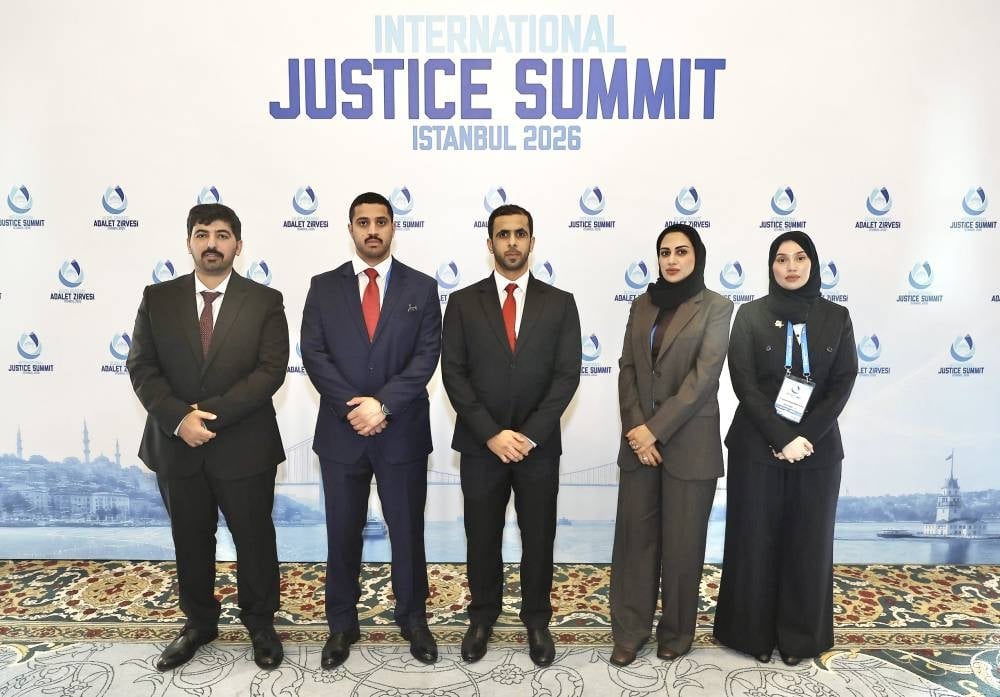
خليجقطر تشارك في قمة إسطنبول للعدالة 2026 التي تستضيفها تركيا
 سياسة
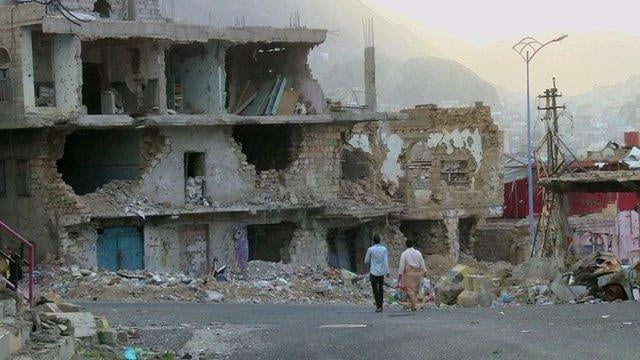
سياسةمقتل أكثر من 70 في اشتباكات تعز حيث تتبادل الفصائل اليمنية اتهامات بالغارات
 دبلوماسية
سوريا: اتفاقيات الإعمار الدولية تتجاهل حماية حقوق الإنسان
 عام
عام