

تركيا أنفقت عشرات المليارات لدعم الليرة... وقطر لديها مليارات على المحك
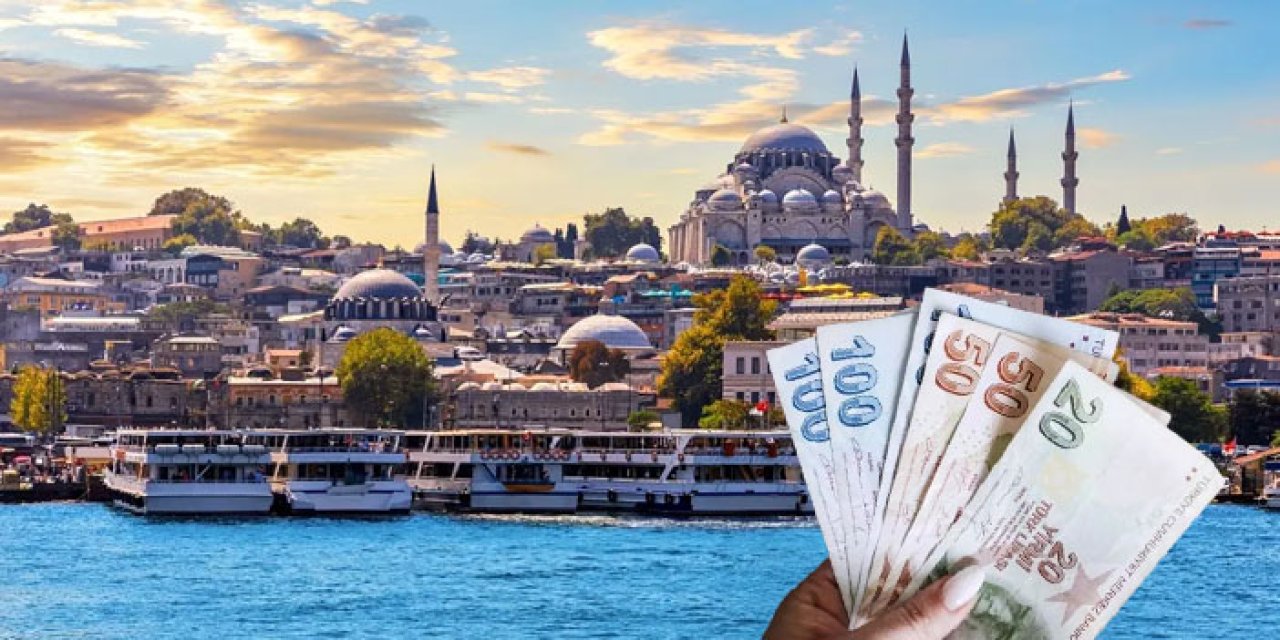
عندما هزّت الحرب الإيرانية الأسواق الناشئة في مارس، فعل البنك المركزي التركي ما فعله في كل أزمة عملة تقريباً منذ 2018: فتح خزائن الاحتياطي. تقارير جديدة عن حجم ذلك التدخل — وعن كيفية عودة أنقرة إلى احتياطيات "قياسية" خلال أشهر — تكشف أن الرقم المُعلن لا يروي سوى نصف القصة.
حسابات الاحتياطي
باع البنك المركزي التركي 44.3 مليار دولار من احتياطيات النقد الأجنبي بين اندلاع الحرب الإيرانية و30 مارس، وفقاً لبيانات البنك المركزي التي نقلتها Türkiye Today. وقدّرت مصادر مصرفية نقلت عنها رويترز التراجع الأوسع في الاحتياطيات — بما في ذلك الذهب وأصول أخرى — بنحو 55 مليار دولار خلال الفترة نفسها، في واحد من أسرع استنزافات الاحتياطي منذ أزمة العملة عام 2018. كما درس البنك اللجوء إلى ما يصل إلى 135 مليار دولار من احتياطيات الذهب، بحسب تقرير لبلومبرغ في 24 مارس نقلاً عن مصادر مطلعة؛ وقدّر الخبير الاقتصادي فاتح أكچيليك من جيه بي مورغان أن نحو 30 مليار دولار من هذا الذهب مودعة في بنك إنجلترا في لندن ويمكن استخدامها "دون قيود لوجستية".
تحركت أنقرة على جبهات أخرى أيضاً. ونقلت النشرة الاقتصادية TFTC أن تركيا صفّت 13.98 مليار دولار من سندات الخزانة الأمريكية — نحو 89% من حيازتها — خلال شهر واحد، ووصفت ذلك بشكل مباشر: "الإطار الرسمي هو الدفاع عن الليرة... لكنها آليات إدارة سيولة طارئة". ويتفاوت الرقم الإجمالي الدقيق بحسب المصدر وتاريخ القطع — من رقم البنك المركزي نفسه البالغ 44.3 مليار دولار من مبيعات النقد الأجنبي حتى أواخر مارس، إلى تقديرات أوسع تتراوح بين 55 و60 مليار دولار للتراجع الكلي في الاحتياطيات والأصول — لكن جميع الروايات تتقارب عند نفس الحجم الذي أشار إليه الرسم البياني المتداول هذا الأسبوع: عشرات المليارات من الدولارات أُنفقت خلال أسابيع معدودة.
رقم قياسي مبني على مقايضات
أعاد البنك المركزي التركي منذ ذلك الحين بناء احتياطياته الإجمالية بقوة. فقد بلغت الاحتياطيات الإجمالية رقماً قياسياً عند 174.4 مليار دولار في أغسطس، متجاوزة الرقم القياسي السابق البالغ 173.2 مليار دولار في فبراير، ووصلت إلى 188.2 مليار دولار حتى 3 سبتمبر — بتراجع أسبوعي طفيف فقط، وفق بيانات البنك المركزي نفسه.
لكن كلمة "إجمالي" تحمل الكثير من الالتباس هنا. فنحو نصف الاحتياطيات المعلنة لتركيا يتكوّن من مقايضات عملات أجنبية مع بنوك محلية، لا من أصول يملكها البنك المركزي مباشرة: قدّر مصرفيون نقلت عنهم رويترز صافي الاحتياطيات بنحو 97 مليار دولار في يناير 2026، مقابل 196 مليار دولار كإجمالي معلن في الأسبوع نفسه. هذه الفجوة ليست جديدة — فهي نفس المحاسبة القائمة على المقايضات التي جعلت صافي احتياطيات تركيا، باستثناء المقايضات، يتحول سلباً لفترة وجيزة في مايو 2023، للمرة الأولى منذ عام 2002، قبل أن يتولى وزير المالية محمد شيمشك ومحافظ البنك المركزي فاتح كاره خان زمام سياسة نقدية أكثر تقليدية وأعادا بناء الهامش الذي يجري إنفاقه مجدداً الآن في 2026. بعبارة أخرى، رقم إجمالي قياسي لا يعني أن الهامش الحقيقي تعافى بالسرعة نفسها التي يوحي بها الرقم المعلن.
التاريخ يعيد نفسه
هذه هي المرة الثالثة التي تخوض فيها تركيا معركة دفاع كبرى عن عملتها خلال ثماني سنوات، بعد أزمة 2018 وموجة الانخفاض بين 2021 و2023 التي أعقبت دورة من خفض الفائدة تحت ضغط سياسي. وفي كل مرة، يتكرر النمط ذاته: تدخل مكثف خلال فترة الضغط الحاد، تحول في السياسة نحو نهج تقليدي أكثر، وإعادة بناء للاحتياطي تعتمد جزئياً على المقايضات لا على التراكم الصافي. وقد حظي فريق شيمشك–كاره خان عموماً بتقدير دولي لاستعادة قدر من المصداقية النقدية منذ 2023 — لكن سرعة وحجم استنزاف مارس، الذي أشعلته حرب لم تكن تركيا طرفاً فيها، يذكّران بمدى هشاشة تلك المصداقية عند وقوع صدمات إقليمية.
القراءة من الدوحة
قطر ليست طرفاً عابراً هنا — فقد أمضت ست سنوات في تعميق هذا النوع تحديداً من الانكشاف المالي الذي تسلط عليه أزمات الاحتياطي والمقايضات الضوء، وأحياناً بناءً على طلب أنقرة نفسها.
ففي مايو 2020، ومع موجة سابقة من الضغط على الليرة، ضاعفت قطر خط المقايضة النقدية مع البنك المركزي التركي ثلاث مرات من 5 مليارات دولار إلى 15 مليار دولار — وهو دعم موجّه صراحة لتعزيز احتياطيات النقد الأجنبي التركية وتخفيف ضغوط الانخفاض، وليس تسهيلاً تجارياً ثنائياً. وبعد أشهر، اشترى جهاز قطر للاستثمار 10% من بورصة إسطنبول مقابل 200 مليون دولار، بما يعادل تقييماً إجمالياً قدره ملياري دولار للبورصة التركية؛ ووصف الرئيس التنفيذي لصندوق الثروة التركي، ظافر سونمز، الصفقة بأنها "واحدة من الخطوات الأولى جداً" في تعاون أعمق بين الصندوقين. وفي العام نفسه، استحوذ جهاز قطر للاستثمار أيضاً على حصة 42% في "إستينيه بارك"، أحد أكبر مراكز التسوق في إسطنبول، من مجموعة دوغوش — وهي حصة احتفظ بها حتى عام 2024، حين باعها لمطوّر تركي هو مجموعة أورجين مقابل 500 مليون دولار. وفي 2020 أيضاً، استحوذت شركة تشغيل الموانئ القطرية "كيو تيرمينالز" على حصة 99.99% في ميناء "أكدنيز"، أحد أهم الموانئ التجارية على الساحل المتوسطي لتركيا، في صفقة أُبرمت بالتزامن مع زيارة رسمية لأمير قطر إلى أنقرة.
ولم يختفِ ذلك الانكشاف لمجرد بيع حصة المول — بل تحوّل شكله فحسب. فما تبقى هو خط مقايضة موجود تحديداً لدعم الاحتياطيات التركية وقت الأزمات، وحصة 10% في بورصة تركيا، وملكية كاملة لأحد موانئها — إضافة إلى الروابط الدبلوماسية والدفاعية التي بنتها الدوحة مع أنقرة منذ 2017. فبنك مركزي يستنزف احتياطيات حقيقية للدفاع عن الليرة، ثم يقدّم رقماً "قياسياً" منتفخاً بالمقايضات كدليل على القوة، هو بالضبط نوع الفجوة بين الظاهر والجوهر التي يملك المستثمرون القطريون كل الأسباب لمراقبتها عن كثب.
English Version
Turkey Burned Through Tens of Billions Defending the Lira. Qatar Has Billions at Stake.
When the Iran war rattled emerging markets in March, Turkey's central bank did what it has done in nearly every currency crisis since 2018: it opened the vault. New reporting on the scale of that intervention — and on how Ankara clawed its way back to "record" reserves within months — shows why the headline number tells only half the story.
The reserve math
The Central Bank of the Republic of Turkey (CBRT) sold $44.3 billion in foreign-exchange reserves between the outbreak of the Iran war and March 30, according to central bank data reported by Türkiye Today. Banking sources cited separately by Reuters put the broader decline — including gold and other reserve assets — at roughly $55 billion over the same window, one of the fastest reserve drawdowns since the 2018 currency crisis. The bank also weighed tapping into as much as $135 billion in gold holdings, Bloomberg reported on March 24, citing people familiar with the plan; JPMorgan economist Fatih Akcelik estimated that roughly $30 billion of that gold sits at the Bank of England in London and could be deployed "without logistical constraints."
المزيد من القصص
 خليج
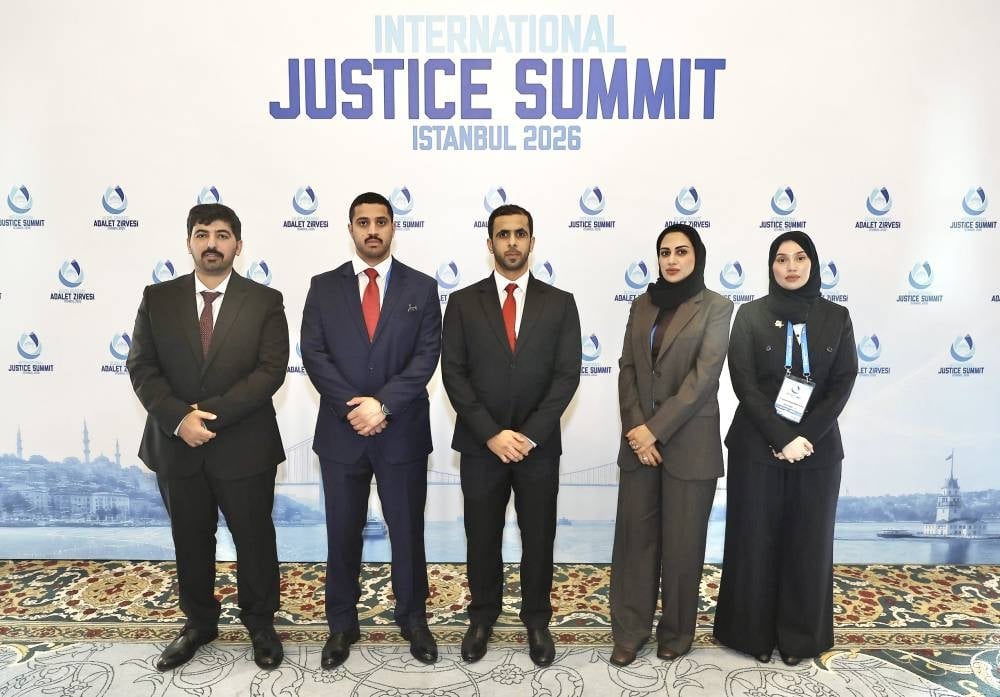
خليجقطر تشارك في قمة إسطنبول للعدالة 2026 التي تستضيفها تركيا
 عاجل
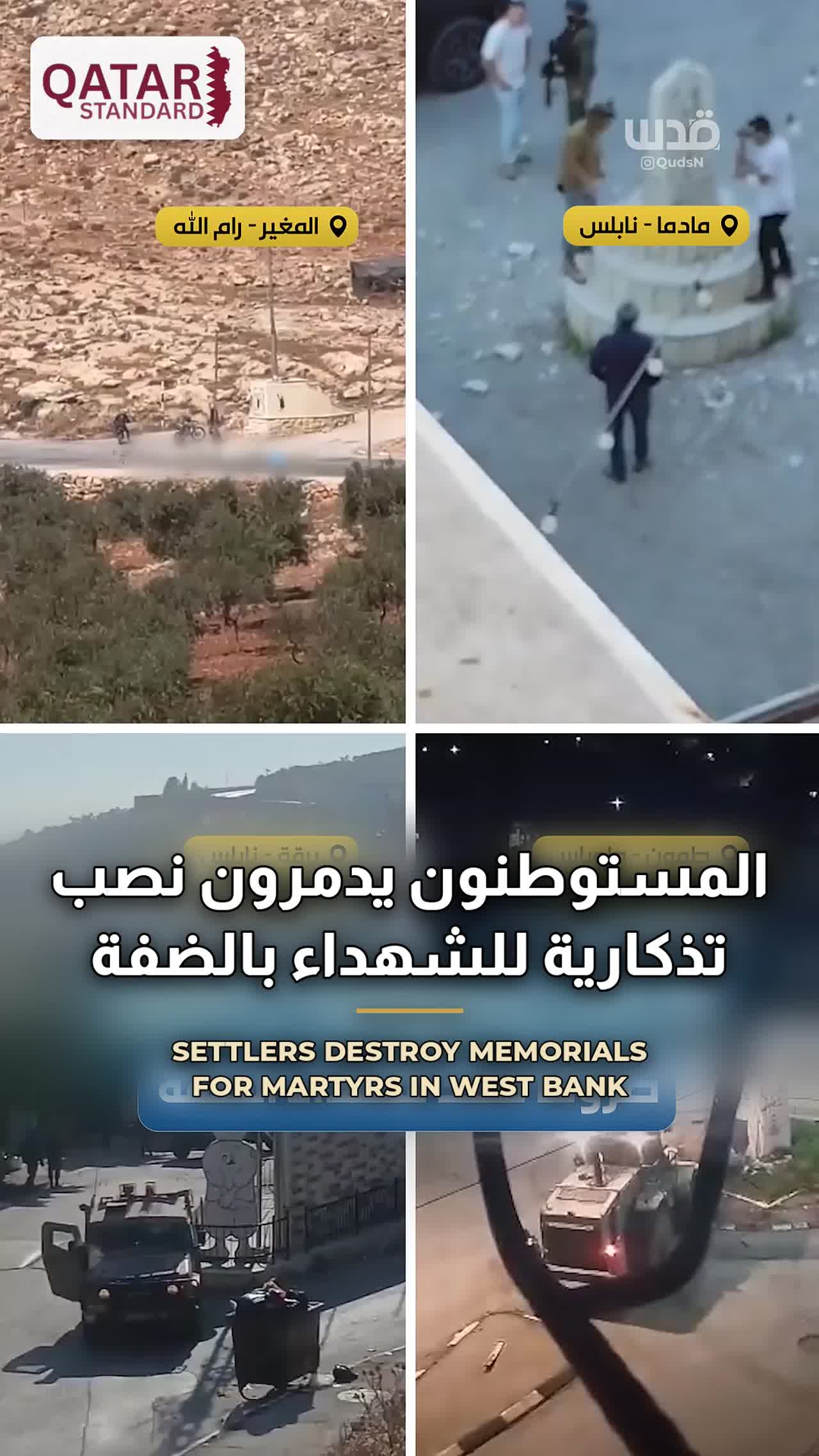
عاجلعشرات النصب التذكارية التي تخلد الشهداء الفلسطينيين بالضفة الغربية تُدمّر في إطار حرب على الوعي والذاكرة الوطنية، حسب ال
 خليج
خليجقادة عسكريون من تركيا وباكستان والسعودية يجتمعون بشأن التهديدات الحوثية
 دبلوماسية
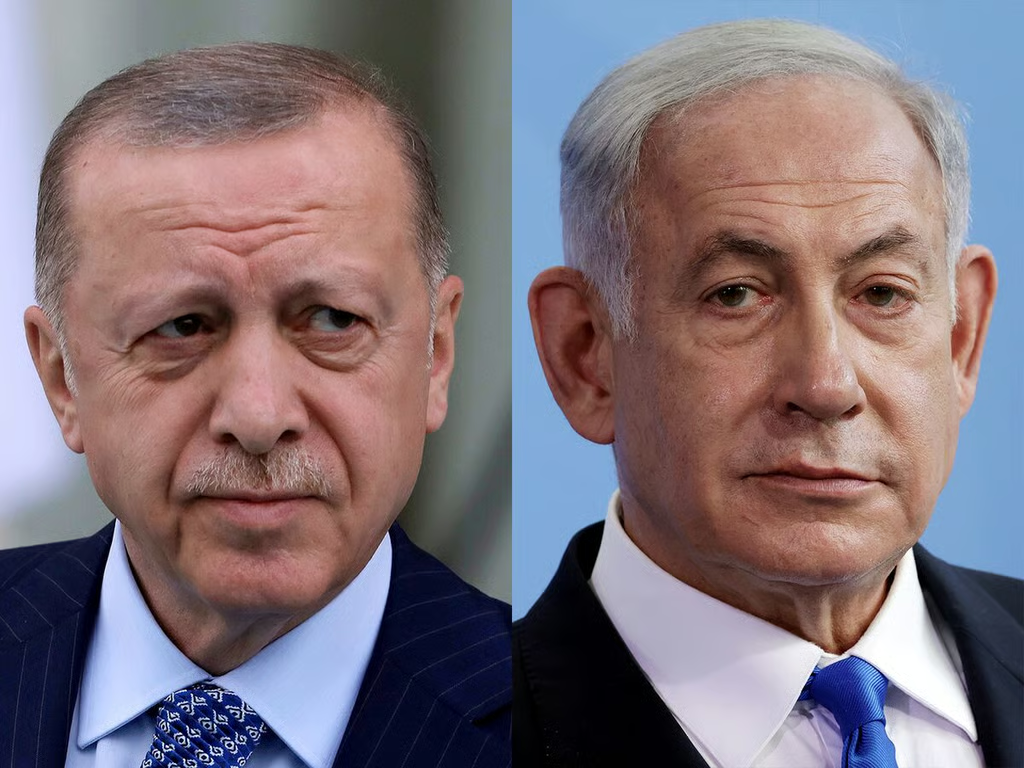
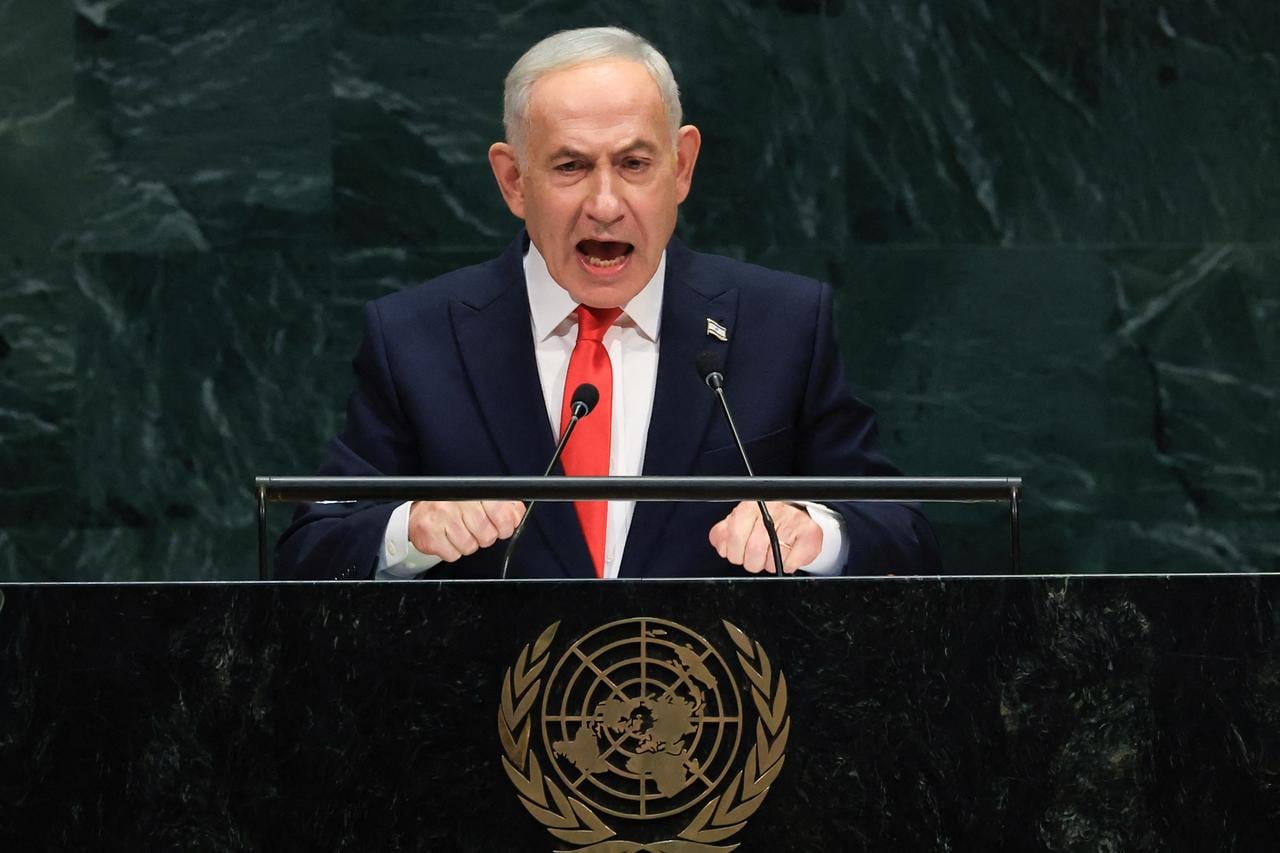
نتنياهو يصف أردوغان بـ 'الطاغية' ويتهم تركيا باحتلال قبرص
 دبلوماسية