

A Yemen-Based Pact Between al-Qaeda and the Houthis Now Worries Washington
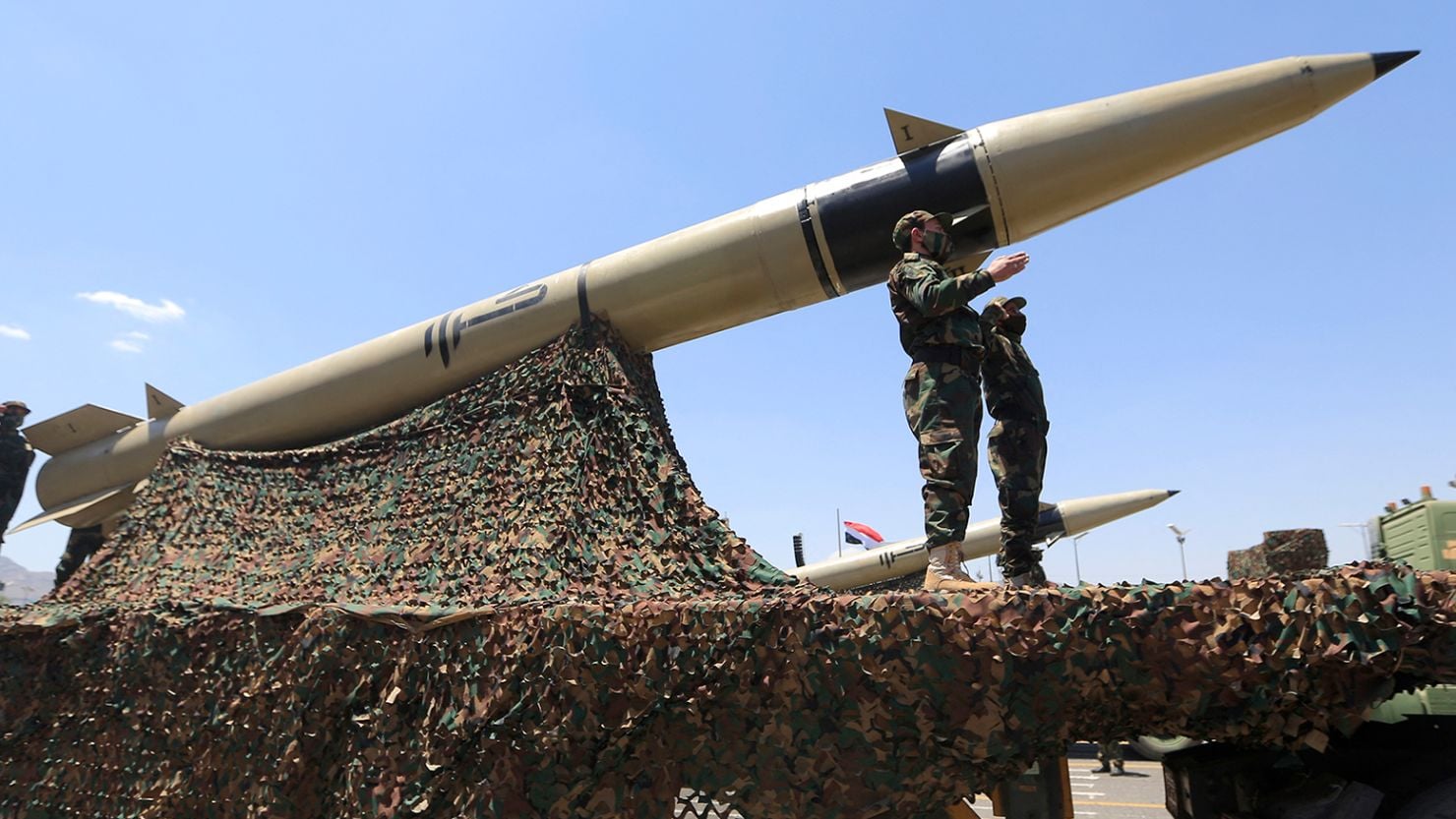
A Wall Street Journal article published this week carries the headline "Washington's Deadly New Headache: an al Qaeda-Houthi Terrorist Alliance." Regional analyst Rashid Abdi flagged the piece on social media, pointing to what the Journal frames as a deepening partnership between Yemen's Houthi movement and al-Qaeda's regional branch, al-Qaeda in the Arabian Peninsula (AQAP).
That framing tracks with what United Nations monitors have already documented. A UN Panel of Experts report from February 2025 described a "covert pragmatic relationship" between the Houthis and AQAP that has widened from shared security intelligence and training into discussions of AQAP support for attacks on maritime targets. The same monitors traced a parallel channel of cooperation running from the Houthis to al-Shabaab in Somalia, including physical meetings in 2024 over transferring weapons and training in exchange for help with piracy and arms smuggling across the Gulf of Aden.
Iran sits behind much of the hardware that makes this network dangerous. U.S. officials and UN monitors say Tehran's Revolutionary Guard Quds Force has supplied the Houthis with weapons, targeting data and military advice since 2015, using an intricate smuggling network to move missile components, guidance systems and drone parts into Yemen despite years of sanctions and coalition bombing. Interdictions have piled up on both sides of the Gulf of Aden: a U.S. Navy seizure of ballistic and cruise missile components northwest of Socotra in January 2024, suicide drones intercepted near Boosaaso in June 2024, and a U.S.-Somali strike on an unmarked vessel carrying weapons near Baraawe in April 2025.
The financial stakes explain why. Shipping agents pay the Houthis an estimated $180 million a month in "safe transit" fees, funneled through hawala networks and shell companies spanning Djibouti, Iran and Turkey, according to UN monitors. Suez Canal traffic has fallen by roughly half since the Red Sea attacks began, container shipping costs have nearly quadrupled, and Egypt's canal revenue is down an estimated $800 million a month. The March 2024 hijacking of the MV Abdullah by Somali pirates, released the following month for a reported $5 million ransom, showed how easily these waters still generate money for armed groups even without a state patron involved — a reminder of the piracy capacity the Houthis are now reportedly helping al-Shabaab revive.
None of this means al-Qaeda has adopted Houthi ideology or that Tehran directly controls AQAP. The relationship UN monitors describe is transactional: Houthi weapons and training in exchange for AQAP's smuggling routes and maritime reach, with Iran's patronage making the whole arrangement viable. But for Washington, and for Gulf states whose energy exports and port investments run through this exact corridor, a Sunni jihadist network and an Iran-aligned militia no longer working at cross purposes is a harder problem than either posed on its own.
النسخة العربية
تقارب بين القاعدة والحوثيين في اليمن يُقلق واشنطن
نشرت صحيفة "وول ستريت جورنال" هذا الأسبوع مقالاً يحمل عنوان "صداع واشنطن المميت الجديد: تحالف إرهابي بين القاعدة والحوثيين". وأشار المحلل الإقليمي رشيد عبدي إلى المقال عبر وسائل التواصل الاجتماعي، لافتاً إلى ما تصفه الصحيفة بأنه تقارب متعمّق بين حركة الحوثي اليمنية وفرع تنظيم القاعدة الإقليمي، "القاعدة في جزيرة العرب".
وينسجم هذا الطرح مع ما وثّقه مراقبو الأمم المتحدة سابقاً. فقد وصف تقرير لفريق خبراء الأمم المتحدة صدر في فبراير 2025 وجود "علاقة عملية سرية" بين الحوثيين وتنظيم القاعدة في جزيرة العرب، اتسعت من تبادل المعلومات الاستخباراتية والتدريب الأمني إلى مناقشات حول دعم التنظيم لهجمات على أهداف بحرية. وتتبّع المراقبون أنفسهم قناة تعاون موازية تربط الحوثيين بحركة الشباب في الصومال، شملت لقاءات مباشرة في عام 2024 لنقل الأسلحة والتدريب مقابل المساعدة في القرصنة وتهريب السلاح عبر خليج عدن.
وتقف إيران خلف جزء كبير من العتاد الذي يجعل هذه الشبكة خطيرة. ويقول مسؤولون أمريكيون ومراقبو الأمم المتحدة إن فيلق القدس التابع للحرس الثوري الإيراني يزوّد الحوثيين بالأسلحة وبيانات الاستهداف والمشورة العسكرية منذ عام 2015، عبر شبكة تهريب معقدة تنقل مكونات الصواريخ ومنظومات التوجيه وقطع الطائرات المسيّرة إلى اليمن رغم سنوات من العقوبات والقصف الذي شنّه التحالف. وتراكمت عمليات الاعتراض على جانبي خليج عدن: ضبط البحرية الأمريكية مكونات صواريخ باليستية وكروز شمال غرب سقطرى في يناير 2024، واعتراض طائرات مسيّرة انتحارية قرب بوصاصو في يونيو 2024، وضربة أمريكية-صومالية استهدفت سفينة غير معلومة الهوية تحمل أسلحة قرب براوة في أبريل 2025.
Source tweet
A Wall Street Journal headline this week names what UN monitors have quietly documented for over a year: Yemen's Houthis and al-Qaeda's regional branch moving from rivalry to a working relationship, with Iran's arms pipeline making the Red Sea corridor a bigger threat to oil and shipping than either group posed alone.
More Stories
 Politics
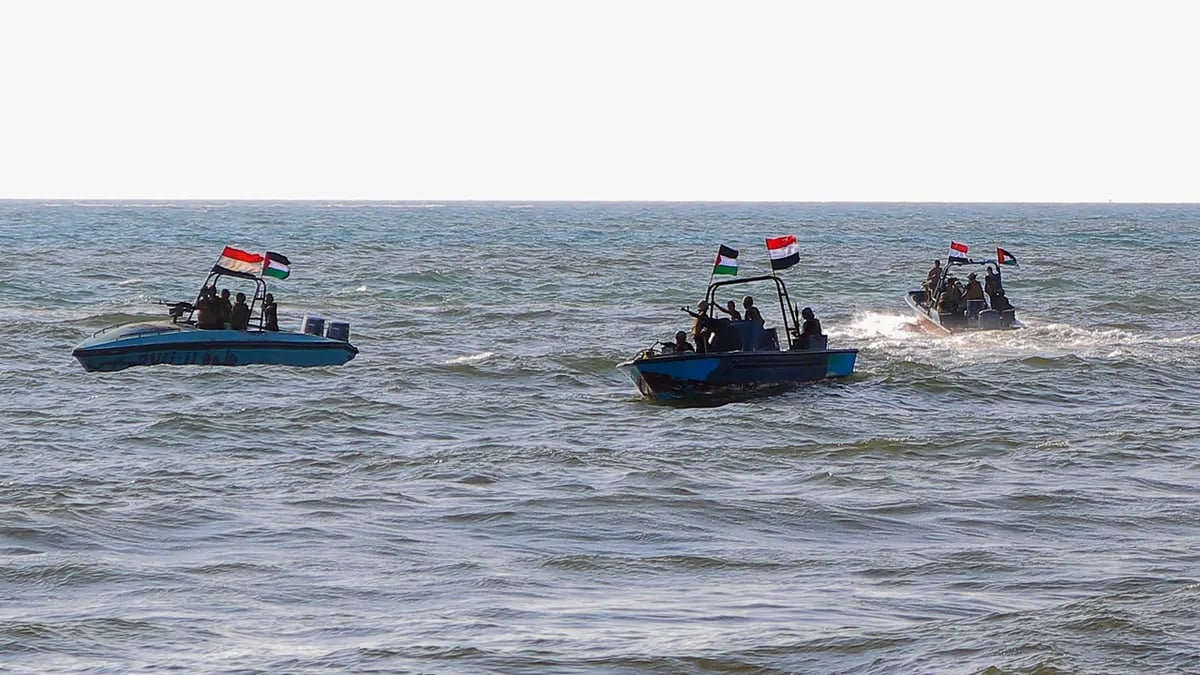
Houthis pledge not to attack US vessels in Red Sea
 Politics
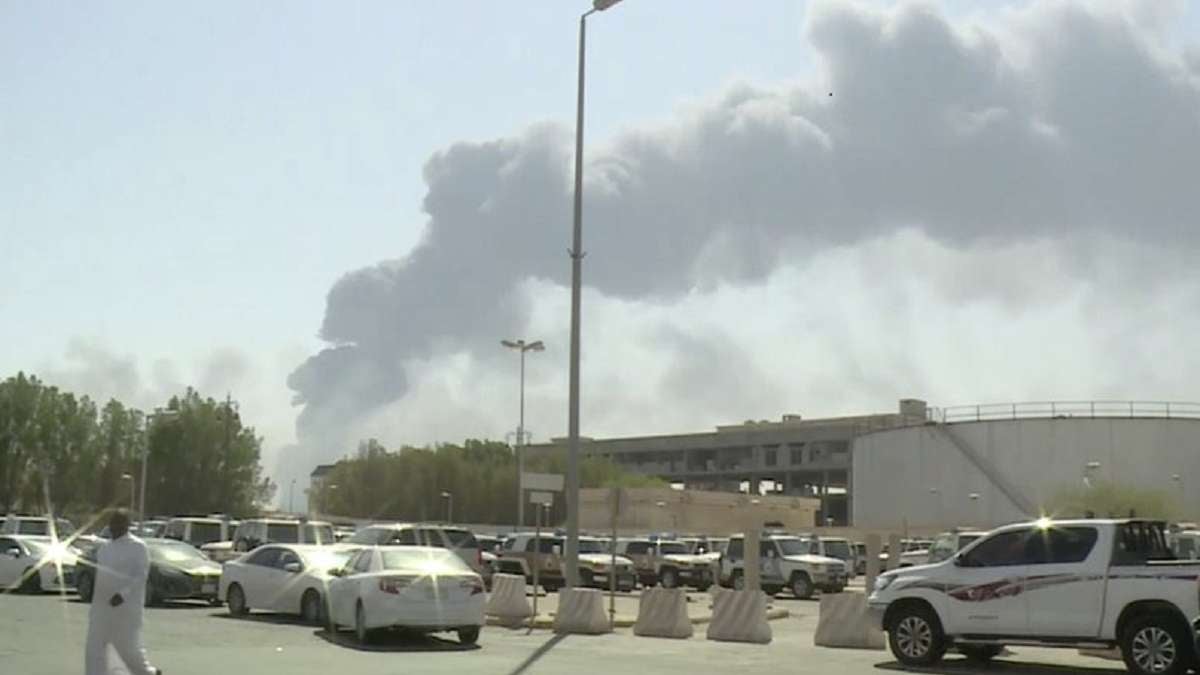
Houthis fire missiles at Riyadh airport in latest attack on Saudi capital
China Pressures Iran to Control Houthis as Oil Prices Fall
 Africa
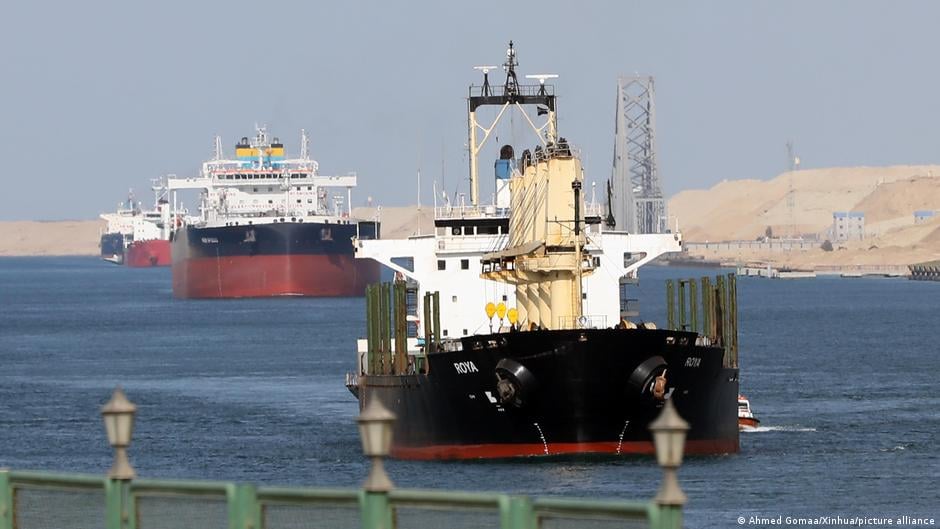
Houthis Escalate Pressure on Egypt's Red Sea Interests
 Gulf
Gulf