

US and Israel escalate military actions in Gulf, Iran responds strongly
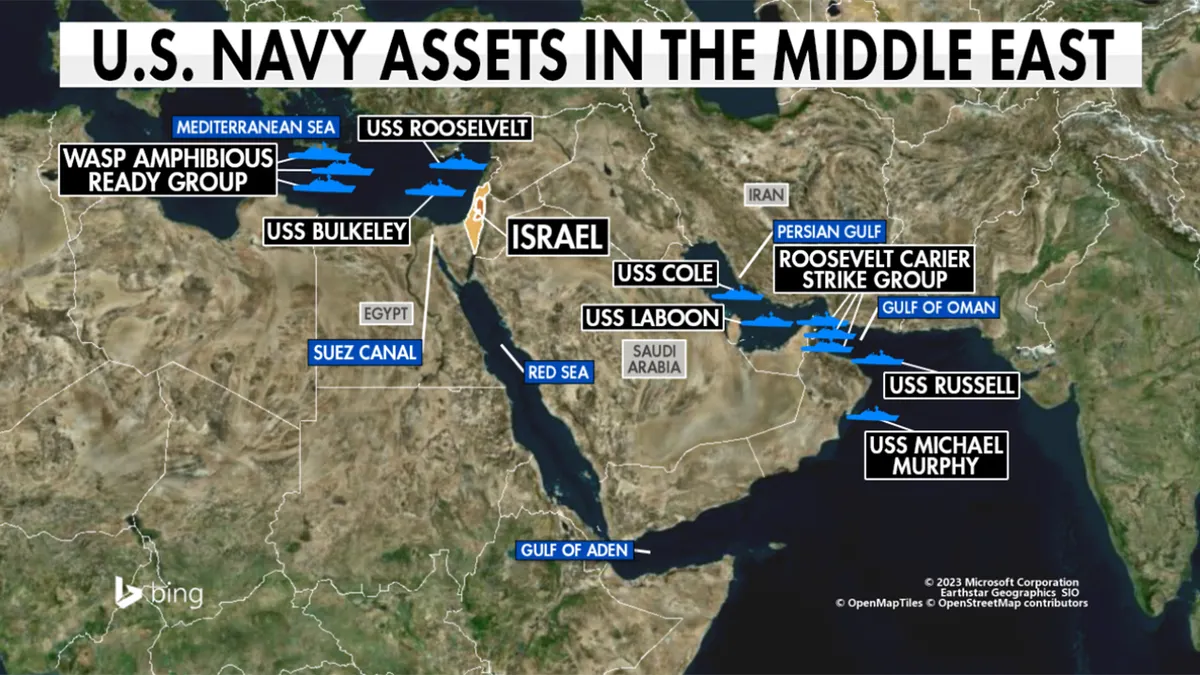
Recent military actions by the United States and Israel have targeted significant sites in Gulf countries, escalating tensions and prompting a strong response from Iran, which has heightened concerns across the region. The strikes, which have not been detailed extensively in public reports, are part of a broader pattern of military engagement that has seen both the U.S. and Israel increase their operational presence in the Middle East. This development comes amid rising geopolitical tensions, particularly surrounding Iran's nuclear ambitions and its influence in the region. The Iranian government has condemned these actions, vowing to respond decisively, leading to fears of a potential military escalation that could destabilize the Gulf.
The significance of these strikes is considerable. The Gulf region is a crucial hub for global energy supplies and trade routes, and any military conflict could disrupt these vital channels. Furthermore, the involvement of the U.S. and Israel signals a strategic alignment against perceived threats from Iran, which has been accused of supporting proxy groups across the region. This alignment may provoke further Iranian retaliation, potentially leading to a cycle of violence that could engulf multiple countries in the Gulf.
The response from regional players has been mixed. Some countries express concern over the potential for conflict, while others may view the U.S. and Israeli actions as necessary to counter Iranian influence. The situation is complicated by the complex web of alliances and rivalries in the region, where nations often find themselves caught between the competing interests of global powers and their own national security concerns.
As tensions mount, Gulf states are likely to reassess their security strategies and diplomatic relations. The possibility of increased military cooperation among Gulf Cooperation Council (GCC) members may arise as they seek to bolster their defenses against any Iranian retaliation. Additionally, the economic implications of such military actions could be significant, particularly for countries heavily reliant on oil exports, as market stability is crucial for their economies.
From Qatar's perspective, the recent developments serve as a reminder of the delicate balance of power in the region. Qatar has maintained a policy of dialogue and diplomacy, often seeking to mediate conflicts rather than engage in military confrontations. However, the escalating tensions may compel Qatar and its neighbors to adopt a more proactive stance in addressing security threats while navigating complex relationships with both the U.S. and Iran.
As the situation unfolds, Gulf states will need to carefully consider their next steps, balancing the need for security with the imperative of maintaining regional stability. The international community will be watching closely, as the potential for conflict in the Gulf could have far-reaching consequences not only for the region but for global peace and security.
النسخة العربية
استهدفت هجمات الولايات المتحدة وإسرائيل مواقع مهمة في دول الخليج، وسط تصاعد التوترات والرد الإيراني، مما يزيد من القلق ف
استهدفت هجمات مشتركة من قبل الولايات المتحدة وإسرائيل مواقع مهمة في دول الخليج، مما أدى إلى تصاعد التوترات في المنطقة وزيادة القلق من ردود الفعل الإيرانية المحتملة. تأتي هذه الهجمات في سياق معقد من العلاقات المتوترة بين إيران والولايات المتحدة، حيث تسعى الأخيرة إلى تعزيز نفوذها في المنطقة بالتعاون مع حلفائها، وعلى رأسهم إسرائيل.
تتزايد أهمية هذه الأحداث في ظل التوترات المستمرة بين إيران والولايات المتحدة، والتي تصاعدت بشكل ملحوظ منذ انسحاب الولايات المتحدة من الاتفاق النووي الإيراني في عام 2018. وقد أدى هذا الانسحاب إلى فرض عقوبات اقتصادية شديدة على إيران، مما زاد من حدة التوترات في المنطقة. من جهة أخرى، تعتبر إسرائيل إيران تهديدًا كبيرًا لأمنها القومي، خاصة في ظل الدعم الإيراني للجماعات المسلحة في لبنان وسوريا.
ورغم عدم توفر تفاصيل دقيقة حول المواقع المستهدفة أو حجم الأضرار الناتجة عن هذه الهجمات، إلا أن مثل هذه العمليات قد تؤدي إلى تداعيات خطيرة على الاستقرار الإقليمي. يمكن أن تؤدي إلى تصعيد عسكري محتمل بين إيران والقوى الغربية، مما قد يؤثر على حركة الملاحة البحرية في الخليج العربي، وهي منطقة حيوية للتجارة العالمية، خاصة في مجال النفط.
Source tweet
استهدفت هجمات الولايات المتحدة وإسرائيل مواقع مهمة في دول الخليج، وسط تصاعد التوترات والرد الإيراني، مما يزيد من القلق في المنطقة.
More Stories
 Diplomacy
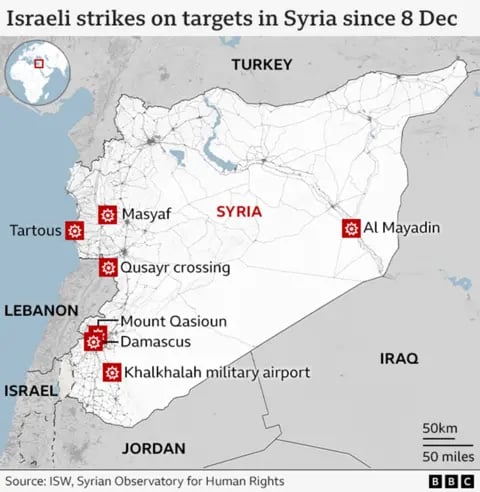
UN investigators warn Israeli military activity in Syria risks war crimes
 Iran
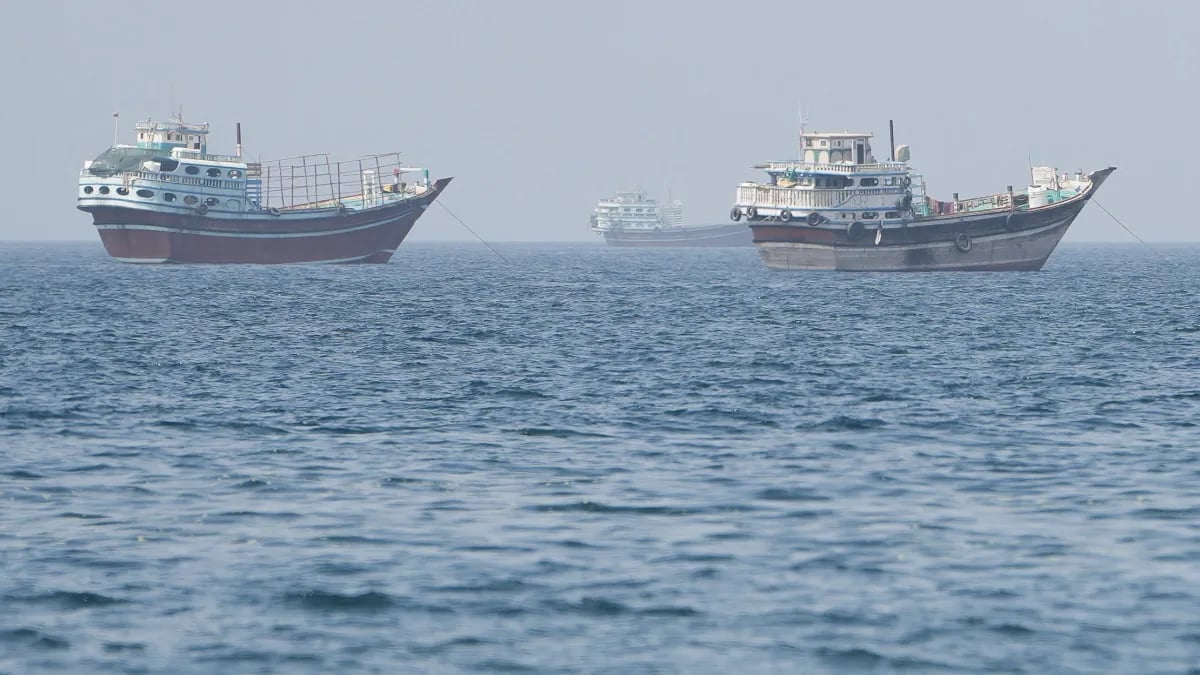
IranUAE: Iran Targeted ADNOC Oil Tanker in Strait of Hormuz
 Gulf
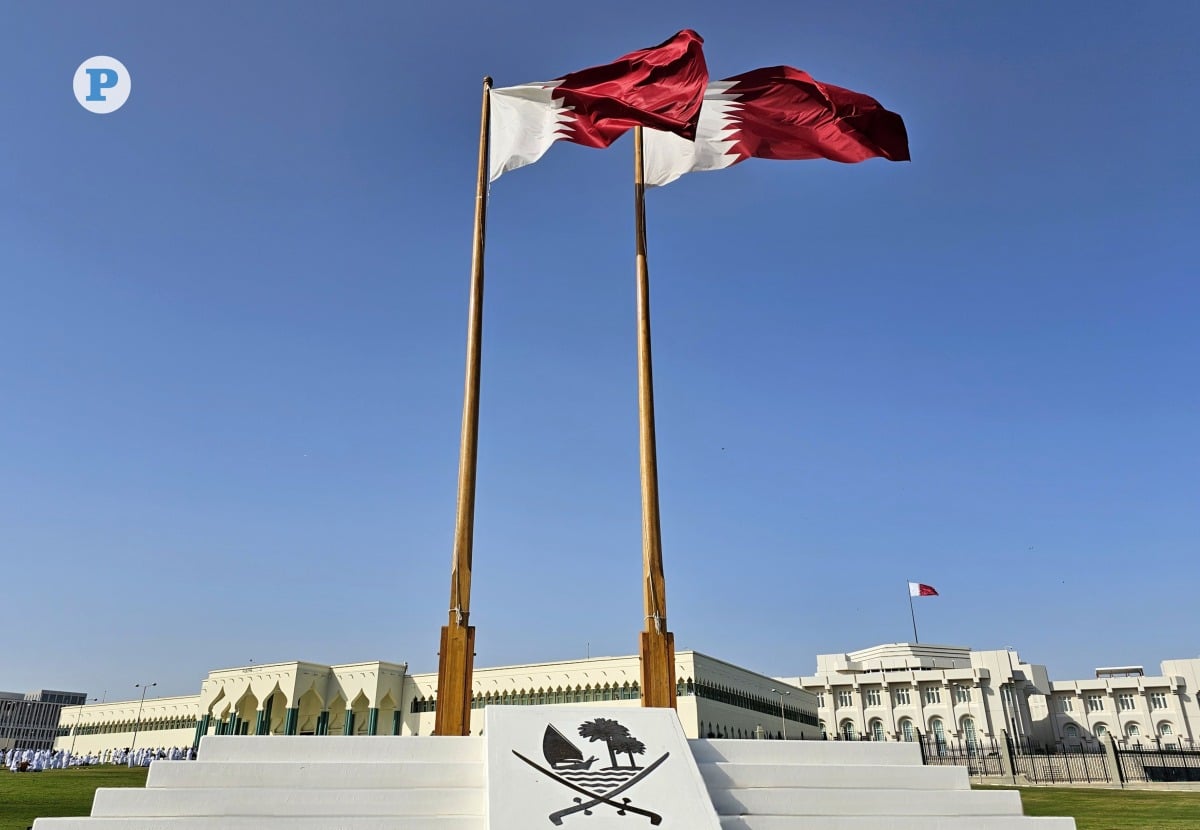
GulfQatar Welcomes UN Security Council Condemnation of Houthi Attacks on Saudi Arabia
 Diplomacy
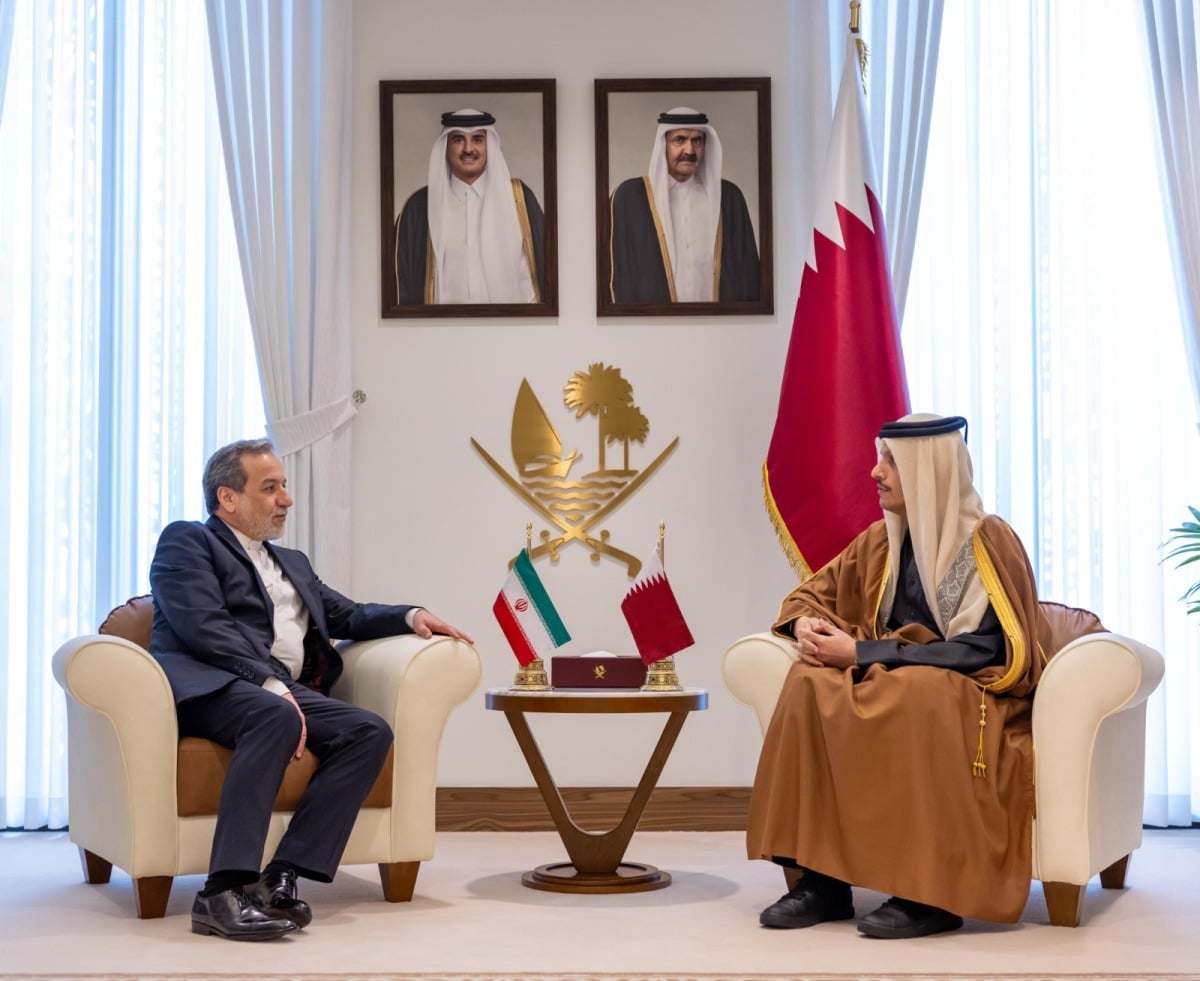
Iran Foreign Minister Abbas Araghchi visits Qatar after Sunday missile attacks
Gulf