

US Discontent Over Israeli Airstrikes on Iranian Targets
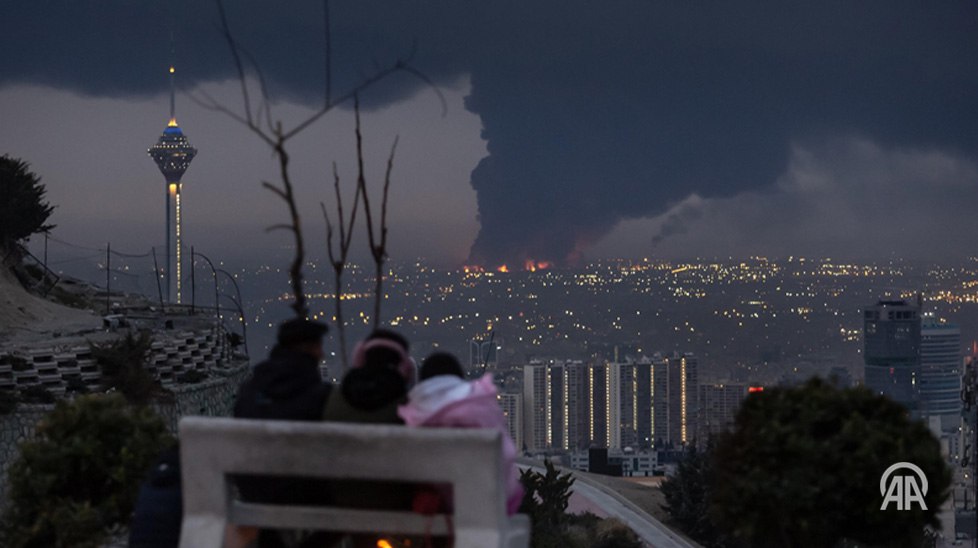
The United States has expressed discontent over Israel's recent airstrikes targeting Iranian fuel depots, highlighting a rare point of contention between the two allies amid concerns that such actions could inadvertently strengthen public support for Iran's leadership. The airstrikes, which have drawn attention for their potential implications on regional stability, come at a time when tensions between the U.S. and Iran remain high. The U.S. administration has been closely monitoring the situation, emphasizing the need for a coordinated approach to address the threats posed by Iran's military activities. The reported U.S. discontent suggests a growing apprehension that Israel's aggressive military tactics could escalate tensions and complicate diplomatic efforts aimed at curbing Iran's influence in the region.
This disagreement is significant as it marks a deviation from the typically strong alignment between the U.S. and Israel regarding their shared interests in countering Iranian aggression. The U.S. has historically supported Israel's right to defend itself, but the current situation raises questions about the long-term strategy for dealing with Iran. Analysts suggest that the U.S. fears the airstrikes could rally Iranian citizens around their government, which has been facing domestic challenges and criticism. By attacking critical infrastructure, Israel may inadvertently provide the Iranian regime with an opportunity to unify its populace against a common external enemy.
The broader implications of this discord are noteworthy, particularly in the context of ongoing U.S. efforts to negotiate with Iran over its nuclear program and regional activities. The Biden administration has been pursuing a diplomatic route, seeking to re-establish the Joint Comprehensive Plan of Action (JCPOA) that aimed to limit Iran's nuclear capabilities. However, military actions by Israel could undermine these diplomatic efforts, complicating the U.S. position and potentially leading to a more volatile situation in the Middle East.
As the U.S. navigates its relationship with both Israel and Iran, it faces the challenge of balancing support for its ally with the need to maintain a stable and diplomatic approach to Iran. The situation calls for careful consideration of the repercussions of military actions in the region, especially as the U.S. aims to prevent further escalation of conflict.
From a Gulf perspective, the implications of U.S.-Israeli tensions are significant. Gulf states have been increasingly wary of Iran's influence, and any increase in hostilities could lead to a regional arms race or further destabilization. The Gulf Cooperation Council (GCC) countries have been working to strengthen their own defenses and enhance security cooperation, particularly in light of perceived threats from Iran. The shifting dynamics between the U.S. and Israel may prompt Gulf states to reassess their own strategies in dealing with Iran, potentially leading to new alliances or a reevaluation of existing partnerships.
As the situation develops, the Gulf region remains on high alert, closely monitoring the actions of both the U.S. and Israel, while also considering the broader implications for their own national security and regional stability.
النسخة العربية
عاجل | الولايات المتحدة تعبر عن استيائها من الغارات الإسرائيلية على مستودعات الوقود الإيرانية
في خطوة غير متوقعة، أعربت الولايات المتحدة عن استيائها من الغارات الجوية الإسرائيلية التي استهدفت مستودعات الوقود الإيرانية، مما يشير إلى أول خلاف ملحوظ بين الحليفين منذ بدء الحرب. تأتي هذه الغارات في وقت حساس، حيث تخشى واشنطن من أن تؤدي هذه الهجمات إلى تعزيز دعم الشعب الإيراني لقيادته، مما قد يزيد من تعقيد الأوضاع في المنطقة.
تعتبر العلاقة بين الولايات المتحدة وإسرائيل واحدة من أقوى التحالفات في السياسة الدولية، حيث تتشارك الدولتان في العديد من الأهداف الاستراتيجية، بما في ذلك مواجهة التهديدات الإيرانية في الشرق الأوسط. ومع ذلك، فإن هذا الخلاف العلني يعكس مدى تعقيد الوضع الحالي، حيث تسعى الولايات المتحدة إلى تحقيق توازن دقيق بين دعم حليفتها إسرائيل والحفاظ على استقرار المنطقة.
تأتي الغارات الإسرائيلية في سياق التوترات المتزايدة بين إسرائيل وإيران، حيث تعتبر إسرائيل أن إيران تشكل تهديداً مباشراً لأمنها القومي. وقد استهدفت الغارات الأخيرة مستودعات الوقود الإيرانية، والتي يُعتقد أنها تستخدم لدعم الأنشطة العسكرية الإيرانية في المنطقة. ومع ذلك، فإن المسؤولين الأمريكيين يخشون أن تؤدي هذه الهجمات إلى تعزيز الدعم الشعبي للقيادة الإيرانية، مما قد يزيد من تعقيد الجهود الدبلوماسية الرامية إلى تهدئة الأوضاع.
Source tweet
🚨 BREAKING | US Discontent Over Israeli Airstrikes on Iranian Targets Axios reports the US is troubled by Israel's attacks on Iranian fuel depots, marking a rare disagreement between allies amid fears it may bolster public support for Iran’s leadership. #MiddleEast #USIsraelRelations #BreakingNews
More Stories
 Africa
United Nations: Drones Killed 880 Civilians in Sudan Since 2026 Start
 BREAKING
Protesters gather in Barcelona over Gaza aid ship detention
 BREAKING
US Approves Potential $992.4 Million Weapons Sale to Israel
 BREAKING
Iran Open to Resuming US Nuclear Talks if Trump Changes Tone
 Politics