

China Pressures Iran to Control Houthis as Oil Prices Fall
China has reportedly pressured Iran to rein in Houthi attacks along the Red Sea following a request from Saudi Arabia, signaling a shift in regional diplomacy as oil markets react to de-escalation signals. US crude futures dropped below $100 per barrel on the reports, with Brent crude trading at 104.9 and West Texas Intermediate at 103.4 as of September 17, 2026. A Western diplomat noted that "Beijing is one of the few capitals that can still press Iran," underscoring China's critical role as a diplomatic intermediary between Tehran and Riyadh amid escalating regional tensions.
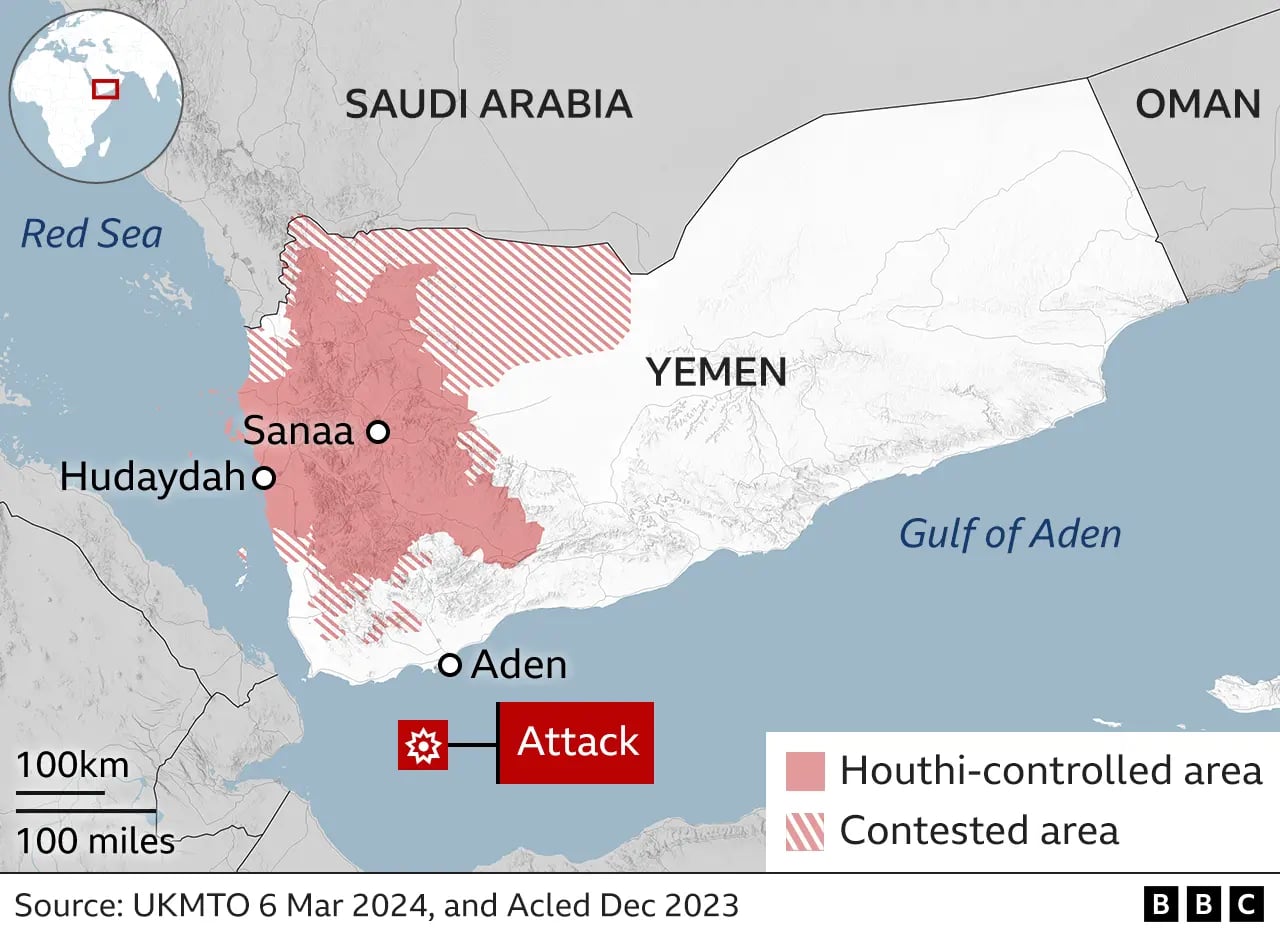
The pressure campaign reflects broader concerns over Red Sea shipping disruptions caused by Houthi operations, particularly around the Bab al-Mandeb strait, a vital chokepoint for global energy flows. Saudi Arabia has indicated it can restore half its East-West pipeline capacity within days and has offered additional crude cargoes through Oman to address supply anxieties. These measures aim to stabilize energy markets while diplomatic channels work to reduce maritime threats from the Iranian-aligned Houthi movement, which has been advancing along multiple Yemeni fronts despite ongoing de-escalation efforts.
China's intervention reflects its strategic interest in energy security and stable oil supplies for its economy. The move also signals coordination between Beijing, Riyadh, and Washington, particularly as President Trump indicated the US is "hopefully toward the end" of its conflict with Iran. The UN Secretary-General has concurrently urged all parties toward de-escalation and renewed diplomacy. For Qatar and Gulf states, the outcome hinges on whether Iranian restraint on the Houthis can be sustained and whether regional tensions will ease, potentially stabilizing energy markets and reducing maritime insurance premiums that have risen sharply due to Red Sea attacks.
النسخة العربية
الصين تضغط على إيران للسيطرة على الحوثيين وسط انخفاض أسعار النفط
أبلغت تقارير عن قيام الصين بالضغط على إيران للسيطرة على هجمات الحوثيين في البحر الأحمر بناءً على طلب من السعودية، مما يشير إلى تحول في الدبلوماسية الإقليمية وسط استجابة أسواق النفط لإشارات تخفيف التوترات. انخفضت العقود الآجلة للنفط الخام الأمريكي دون 100 دولار للبرميل على خلفية هذه التقارير، حيث تداول خام برنت عند 104.9 دولار وخام غرب تكساس الوسيط عند 103.4 دولار في 17 سبتمبر 2026. أشار دبلوماسي غربي إلى أن "بيجين من بين العواصم القليلة التي تستطيع الضغط على إيران،" مما يؤكد دورها الحاسم كوسيطة دبلوماسية بين طهران والرياض وسط تصاعد التوترات الإقليمية.
تعكس حملة الضغط المخاوف الأوسع بشأن الاضطرابات في الشحن البحري بالبحر الأحمر الناجمة عن عمليات الحوثيين، لاسيما حول مضيق باب المندب، أحد أهم الممرات المائية لتدفقات الطاقة العالمية. أشارت السعودية إلى أنها تستطيع استعادة نصف قدرة خط أنابيبها الشرق-غرب في غضون أيام وقدمت شحنات نفط إضافية عبر عمّان للتعامل مع القلق من نقص الإمدادات. تهدف هذه الإجراءات إلى استقرار أسواق الطاقة بينما تعمل القنوات الدبلوماسية على تقليل التهديدات البحرية من حركة الحوثيين المحاذية لإيران، التي تتقدم على جبهات يمنية متعددة رغم جهود تخفيف التوترات المستمرة.
يعكس تدخل الصين مصلحتها الاستراتيجية في أمن الطاقة واستقرار إمدادات النفط لاقتصادها. تشير الخطوة أيضاً إلى التنسيق بين بيجين والرياض وواشنطن، لاسيما مع إشارة الرئيس ترامب إلى أن الولايات المتحدة تأمل أن تكون "قريبة من نهاية" نزاعها مع إيران. دعا الأمين العام للأمم المتحدة في الوقت ذاته جميع الأطراف نحو تخفيف التوترات والعودة إلى الدبلوماسية. بالنسبة لقطر والدول الخليجية، يتوقف النتيجة على ما إذا كان بالإمكان الحفاظ على اعتدال إيران تجاه الحوثيين وما إذا كانت التوترات الإقليمية ستتراجع، مما قد يستقر أسواق الطاقة ويقلل أقساط التأمين البحري التي ارتفعت بشكل حاد بسبب الهجمات في البحر الأحمر.
Source tweet
China pressures Iran to rein in Houthi attacks as geopolitical tensions reshape Red Sea security and oil markets react to shifting regional power dynamics.
More Stories
 Economy
Houthis Advance in Yemen, Attack Saudi Pipeline Compound
 Iran
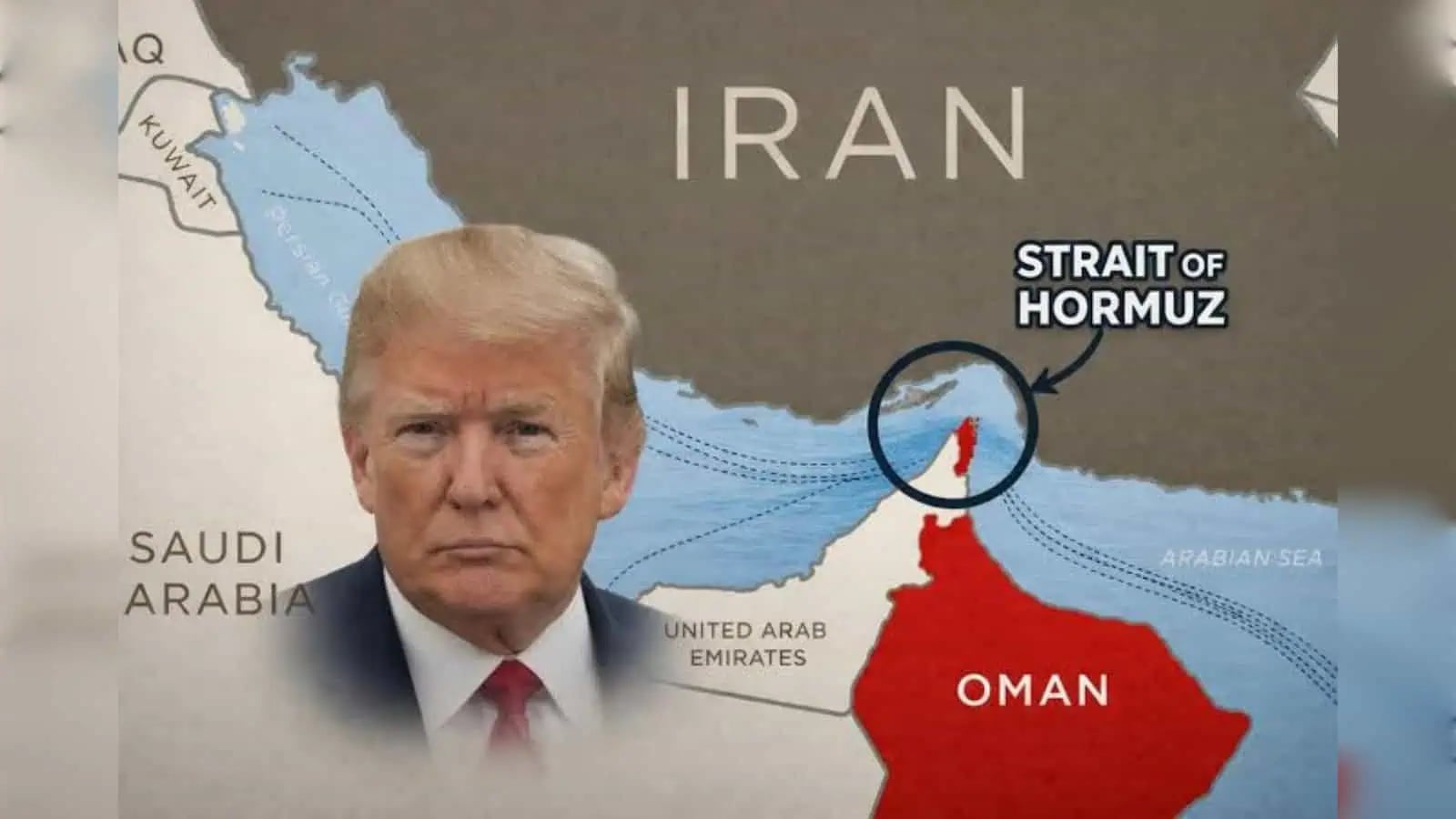
IranOman meeting aims to convince Trump regional powers control Strait of Hormuz
 Iran
IranHouthis seize Red Sea strait as coordinated drone attacks target Saudi pipeline
 Economy
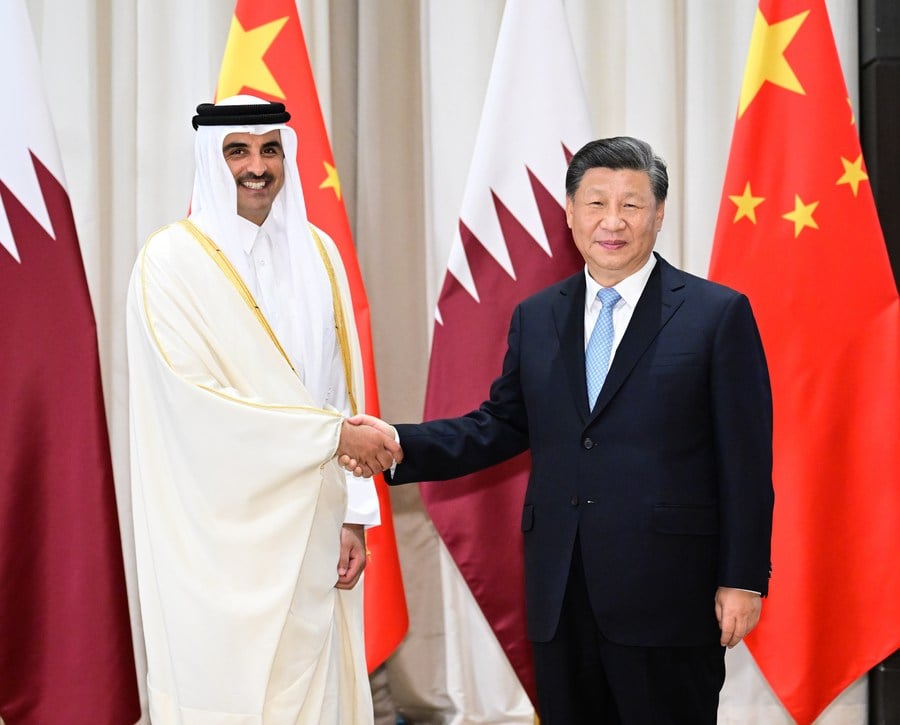
Qatar PM pledges to prioritise China energy supplies amid regional tensions
 Africa