
Netherlands Joins Hormuz Freedom of Navigation Mission After Iran Crisis
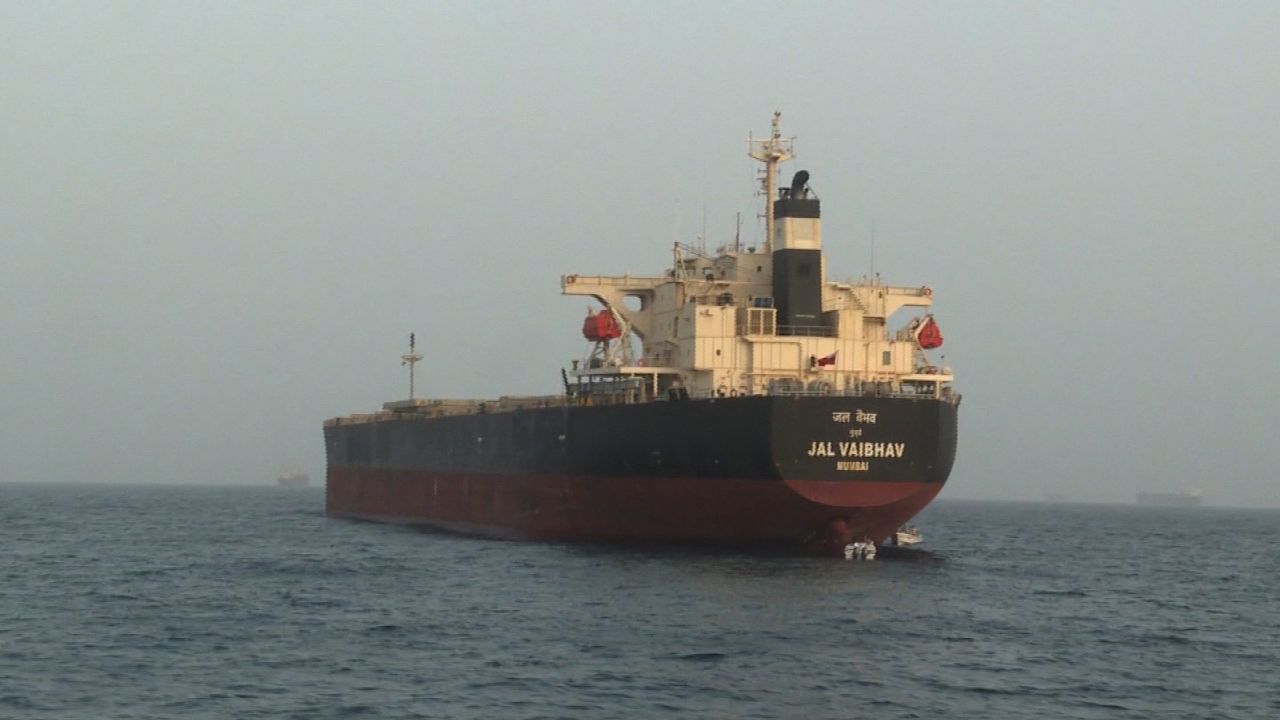
Dutch Prime Minister Dick Schoof announced on Friday that the Netherlands and France had agreed to coordinate their military and diplomatic capabilities to safeguard freedom of navigation through the Strait of Hormuz, following high-level talks in Paris aimed at preserving the stability of one of the world's most critical maritime chokepoints. Speaking after his meeting with French President Emmanuel Macron, Schoof said the two governments would pool naval assets, intelligence, and diplomatic channels to deter any attempt to disrupt commercial shipping through the narrow waterway that separates Iran from the Arabian Peninsula. The Strait of Hormuz carries roughly a fifth of global oil supply and a significant share of liquefied natural gas exports, including Qatari cargoes destined for European and Asian markets. Any interruption to traffic through the 33-kilometre-wide passage would have immediate repercussions for energy prices and for the economies of Gulf producers that depend on uninterrupted access to the Indian Ocean. European officials have grown increasingly concerned about the security of the strait amid heightened regional tensions, repeated incidents involving commercial vessels, and the continued presence of foreign naval forces in the Gulf. The Franco-Dutch agreement is expected to dovetail with the European-led Aspides mission in the Red Sea and with existing multinational maritime task forces operating in the wider region. Schoof did not disclose specific troop numbers or deployment timelines, but indicated that technical discussions between defence ministries would begin immediately. Paris and The Hague have both expanded their naval footprints in the Middle East in recent years, with French frigates operating out of Abu Dhabi and Dutch vessels participating in European missions along key shipping lanes. For Qatar, the agreement carries particular significance. The country is the world's second-largest LNG exporter, and the bulk of its shipments transit Hormuz en route to global markets. Doha has consistently advocated for diplomatic de-escalation and for keeping the strait open to commercial traffic, working through its channels with both Washington and Tehran to lower tensions. Qatari officials have long argued that security in the Gulf cannot be imposed militarily and must rest on regional dialogue, a position that has placed Doha at the centre of mediation efforts during previous flashpoints. Gulf states, including Saudi Arabia, the United Arab Emirates, and Oman, are likely to watch the Paris announcement closely, given their shared interest in uninterrupted energy exports. Analysts said the Franco-Dutch coordination could strengthen Europe's capacity to respond rapidly to any incident in the strait, while leaving room for the diplomatic tracks that Qatar and other Gulf actors continue to prioritise.
النسخة العربية
اتفاق في باريس لدعم حرية الملاحة في مضيق هرمز
أعلن رئيس الوزراء الهولندي ديك سخوف يوم الجمعة أن هولندا وفرنسا اتفقتا على تنسيق قدراتهما العسكرية والدبلوماسية لحماية حرية الملاحة في مضيق هرمز، وذلك في أعقاب محادثات رفيعة المستوى عُقدت في باريس بهدف الحفاظ على استقرار أحد أهم الممرات البحرية في العالم. وقال سخوف بعد لقائه الرئيس الفرنسي إيمانويل ماكرون إن البلدين سيوحّدان جهودهما في ما يخص الأصول البحرية والمعلومات الاستخباراتية والقنوات الدبلوماسية لردع أي محاولة لعرقلة حركة الملاحة التجارية عبر هذا الممر الضيق الذي يفصل بين إيران وشبه الجزيرة العربية. ويمر عبر مضيق هرمز ما يقارب خُمس إمدادات النفط العالمية، إلى جانب حصة كبيرة من صادرات الغاز الطبيعي المسال، بما فيها الشحنات القطرية المتجهة إلى الأسواق الأوروبية والآسيوية. ومن شأن أي انقطاع في حركة الملاحة عبر هذا الممر الذي لا يتجاوز عرضه ثلاثة وثلاثين كيلومتراً أن يُلقي بتداعيات فورية على أسعار الطاقة وعلى اقتصادات الدول المنتجة في الخليج التي تعتمد على وصولها غير المنقطع إلى المحيط الهندي. ويُبدي المسؤولون الأوروبيون قلقاً متنامياً إزاء أمن المضيق في ظل التوترات الإقليمية المتصاعدة والحوادث المتكررة التي طالت سفناً تجارية واستمرار الحضور البحري الأجنبي في الخليج. ومن المتوقع أن يتكامل الاتفاق الفرنسي الهولندي مع مهمة أسبيدس الأوروبية في البحر الأحمر ومع القوات البحرية متعددة الجنسيات العاملة في المنطقة الأوسع. ولم يكشف سخوف عن أعداد القوات أو الجداول الزمنية للانتشار، لكنه أشار إلى أن المباحثات الفنية بين وزارتي الدفاع ستنطلق فوراً. وبالنسبة لقطر، يحمل الاتفاق دلالات خاصة، إذ تُعدّ الدوحة ثاني أكبر مصدّر للغاز الطبيعي المسال في العالم، وتمر غالبية شحناتها عبر مضيق هرمز في طريقها إلى الأسواق الدولية. وقد دأبت قطر على الدعوة إلى التهدئة الدبلوماسية وإبقاء المضيق مفتوحاً أمام الحركة التجارية، وعملت عبر قنواتها مع كل من واشنطن وطهران على تخفيف التوترات. ويرى المسؤولون القطريون منذ زمن طويل أن أمن الخليج لا يمكن فرضه بالقوة العسكرية وحدها، بل يجب أن يرتكز على الحوار الإقليمي، وهو موقف جعل الدوحة في قلب جهود الوساطة خلال نقاط التوتر السابقة. ومن المرجح أن تتابع دول الخليج، بما فيها المملكة العربية السعودية والإمارات وسلطنة عُمان، الإعلان الباريسي عن كثب، نظراً لمصلحتها المشتركة في ضمان استمرار تدفق صادرات الطاقة دون انقطاع.
Source tweet
Dutch PM: We agreed to utilize our joint capabilities to support freedom of navigation in the Strait of Hormuz following a meeting in Paris on Friday.
More Stories
 Gulf
GulfShips Attacked Near Hormuz
 Diplomacy
Iran Highlights Hormuz
 BREAKING
Russia and Qatar discuss Hormuz Strait security concerns
 BREAKING
Italian FM Urges Israel to 'Guarantee Religious Freedom' After Jerusalem Assault
 BREAKING