

Global Markets Lose $11.5 Trillion Amid US-Israel War and Energy Shock

Global financial markets have suffered a staggering loss of approximately $11.5 trillion in value as the escalating military confrontation between the United States, Israel, and Iran sends shockwaves through every major asset class, triggering what analysts are calling the most severe market disruption since the 2008 financial crisis.
The Bloomberg Global Aggregate Index, a broad measure of world market capitalization, plunged from $157.5 trillion to $146 trillion in a matter of days as investors scrambled to exit risk assets and seek shelter in traditional safe havens. The sell-off, which accelerated through Asian and European trading sessions before hammering Wall Street, has left no corner of the global economy untouched.
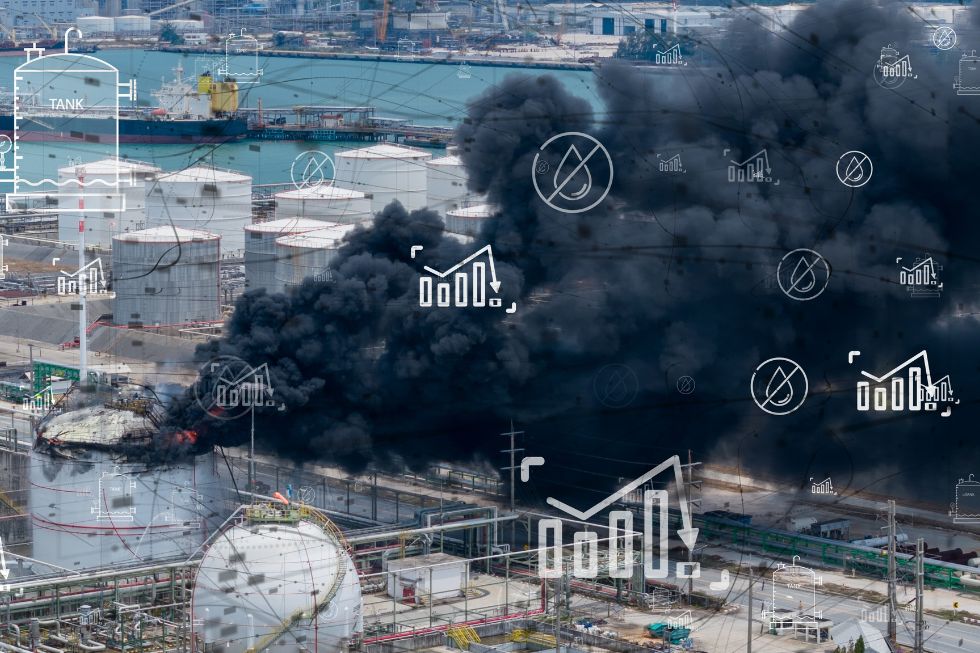
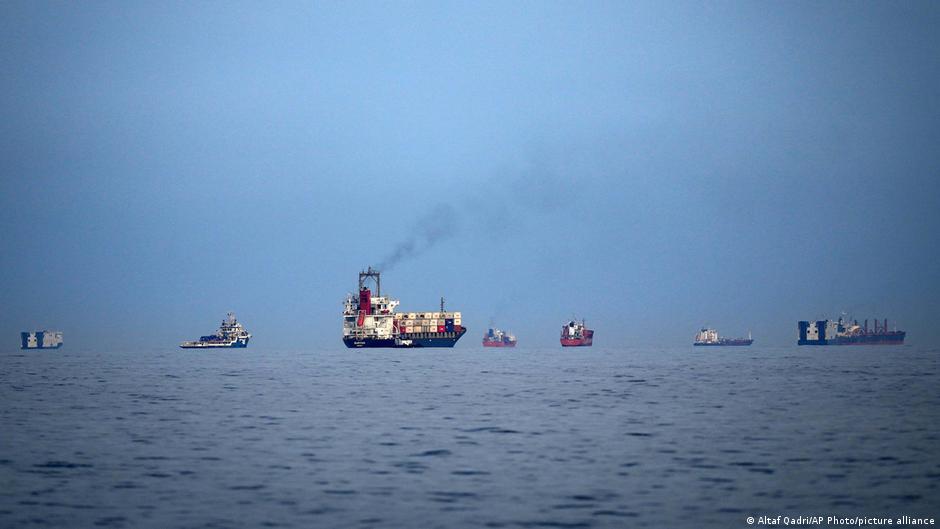
Crude oil prices surged by approximately 45 percent as fears mounted over potential disruptions to shipping lanes in the Strait of Hormuz, through which roughly one-fifth of the world's petroleum passes daily. Brent crude breached levels not seen in years, compounding inflationary pressures on economies already grappling with elevated consumer prices. Gold, traditionally a haven during geopolitical turmoil, paradoxically fell by roughly 15 percent as institutional investors liquidated positions to cover margin calls elsewhere in their portfolios.
The energy shock has placed Gulf states at the center of global economic calculations. Qatar, the world's largest exporter of liquefied natural gas, finds itself in a pivotal position as European and Asian buyers rush to secure long-term supply contracts amid fears of prolonged instability in the region. Doha's diversified energy portfolio and its established reputation as a reliable supplier have drawn renewed attention from capitals seeking to insulate themselves from the worst effects of the crisis.
Qatari officials have repeatedly called for de-escalation and a return to diplomatic channels, consistent with the country's long-standing foreign policy of mediation and dialogue. The State of Qatar has historically leveraged its diplomatic relationships with all parties in the region to facilitate negotiations during periods of heightened tension.
Central banks across major economies have signaled readiness to intervene if market conditions deteriorate further. The United States Federal Reserve, the European Central Bank, and the Bank of Japan issued coordinated statements affirming their commitment to maintaining financial stability and ensuring adequate liquidity in the banking system.
Market strategists warn that the duration and intensity of the conflict will determine whether the current sell-off represents a temporary correction or the beginning of a prolonged bear market. Supply chain disruptions, particularly in energy and shipping, could push several economies toward recession if hostilities continue unchecked.
Trading volumes across major exchanges reached record levels as volatility indices spiked to their highest readings in years, underscoring the depth of investor anxiety over a conflict whose economic consequences are only beginning to unfold.
النسخة العربية
عاجل | الأسواق العالمية تتكبد خسائر تريليونية نتيجة الحرب الأمريكية-الإسرائيلية مع إيران
تكبدت الأسواق المالية العالمية خسائر فادحة بلغت نحو 11.5 تريليون دولار أمريكي مع تصاعد المواجهة العسكرية بين الولايات المتحدة وإسرائيل من جهة وإيران من جهة أخرى، في موجة بيع وصفها محللون بأنها الأشد حدة منذ الأزمة المالية العالمية عام 2008.
وانخفض مؤشر بلومبرغ العالمي للأصول من 157.5 تريليون دولار إلى 146 تريليون دولار خلال أيام قليلة، في ظل هروب المستثمرين من الأصول عالية المخاطر نحو الملاذات الآمنة التقليدية. وامتدت موجة البيع عبر أسواق آسيا وأوروبا قبل أن تضرب وول ستريت بقوة، مخلفة أثراً بالغاً على مختلف القطاعات الاقتصادية.
وقفزت أسعار النفط الخام بنسبة 45 بالمئة تقريباً وسط مخاوف متزايدة من تعطل حركة الملاحة في مضيق هرمز الذي يمر عبره نحو خُمس إمدادات النفط العالمية يومياً. واخترق خام برنت مستويات لم يشهدها منذ سنوات، مما فاقم الضغوط التضخمية على اقتصادات تعاني أصلاً من ارتفاع أسعار المستهلك. وفي مفارقة لافتة، تراجع الذهب بنحو 15 بالمئة رغم كونه ملاذاً آمناً تقليدياً، إذ لجأ مستثمرون مؤسسيون إلى تسييل مراكزهم لتغطية نداءات الهامش في محافظهم الاستثمارية.
Source tweet
🚨 BREAKING | Global markets suffer massive losses amid US-Israel conflict Investors are fleeing risk assets, with the Bloomberg index dropping from $157.5T to $146T, erasing $11.5T in value as oil prices soar by 45%. #GlobalMarkets #BreakingNews
More Stories
Iranians blame US-Israel for economic woes
 Gulf
GulfHow US-Israel Iran Strikes Hurt Qatar Gas Exports & Gulf Economies 2026
Gulf States Respond to Iran Military Defeat After US-Israel Strikes
 Economy
IMF Cuts 2026 Global Growth Forecast Over Iran War and Hormuz Crisis
 Iran
Iran