

Gulf states face $475bn deficit as Iran war hits economies
Gulf states are facing a deficit of about $475bn as the war involving Iran weighs on their economies, with lower oil revenue raising the prospect of spending cuts or new charges that could affect public-sector jobs and living costs across the region.
The figure points to the scale of pressure on the six members of the Gulf Cooperation Council: Saudi Arabia, the United Arab Emirates, Qatar, Kuwait, Bahrain and Oman. Their budgets still depend heavily on hydrocarbon income. When that income falls, governments have typically turned to borrowing, drawing on reserves, cutting capital projects or raising revenue from residents and businesses.
The region has made such adjustments before. After the 2014 to 2016 oil price collapse, several Gulf governments reduced fuel and utility subsidies and moved to introduce value added tax under a GCC framework agreement. Saudi Arabia and the UAE brought in a 5 percent VAT in 2018, Bahrain followed in 2019 and Oman in 2021. In July 2020, as the pandemic crushed oil demand, Riyadh tripled its VAT rate to 15 percent and suspended a cost-of-living allowance for state employees. Qatar and Kuwait have not yet implemented VAT.
For households, a new round of fiscal tightening would matter most where the state is the main employer. Public-sector jobs account for a large share of work for Gulf nationals, and wages, allowances and subsidised services are central to living standards. New fees or reduced subsidies would also reach the large expatriate workforce through higher prices for fuel, utilities and services.
For Qatar, the war's economic risk is tied closely to energy exports. The country's liquefied natural gas shipments pass through the Strait of Hormuz, and QatarEnergy is pursuing its North Field expansion, which aims to raise LNG production capacity to 142 million tonnes a year by the end of the decade. Doha's reliance on gas, rather than crude, and its long-term supply contracts give it a different revenue profile from its oil-exporting neighbours. However, the stability of regional shipping and investor confidence remain shared concerns for all GCC economies.
Governments in the region have not set out a joint response to the shortfall. How each state balances spending commitments against falling revenue is likely to shape budget announcements in the coming months.
النسخة العربية
Gulf states face $475bn deficit as Iran war hits economies
تواجه دول الخليج عجزاً يُقدَّر بنحو 475 مليار دولار في ظل الحرب المرتبطة بإيران وتداعياتها على اقتصادات المنطقة، إذ يثير تراجع العائدات النفطية احتمال اللجوء إلى خفض الإنفاق أو فرض رسوم جديدة قد تمس وظائف القطاع العام وتكاليف المعيشة.
ويعكس هذا الرقم حجم الضغوط على الدول الست الأعضاء في مجلس التعاون الخليجي، وهي السعودية والإمارات وقطر والكويت والبحرين وعُمان، التي لا تزال موازناتها تعتمد اعتماداً كبيراً على إيرادات المحروقات. وعندما تتراجع هذه الإيرادات، تلجأ الحكومات عادةً إلى الاقتراض أو السحب من الاحتياطيات أو تقليص المشاريع الرأسمالية أو زيادة الإيرادات من المقيمين والشركات.
وقد شهدت المنطقة إجراءات مماثلة من قبل. فبعد انهيار أسعار النفط بين عامي 2014 و2016، خفّضت حكومات خليجية عدة دعم الوقود والخدمات، واتجهت إلى تطبيق ضريبة القيمة المضافة وفق اتفاقية إطارية خليجية. وطبّقت السعودية والإمارات الضريبة بنسبة 5 في المئة عام 2018، ثم البحرين عام 2019 وعُمان عام 2021. وفي يوليو 2020، ومع انهيار الطلب على النفط بسبب الجائحة، رفعت الرياض نسبة الضريبة ثلاثة أضعاف إلى 15 في المئة، وعلّقت بدل غلاء المعيشة لموظفي الدولة. أما قطر والكويت فلم تطبّقا الضريبة حتى الآن.
More Stories
 Gulf
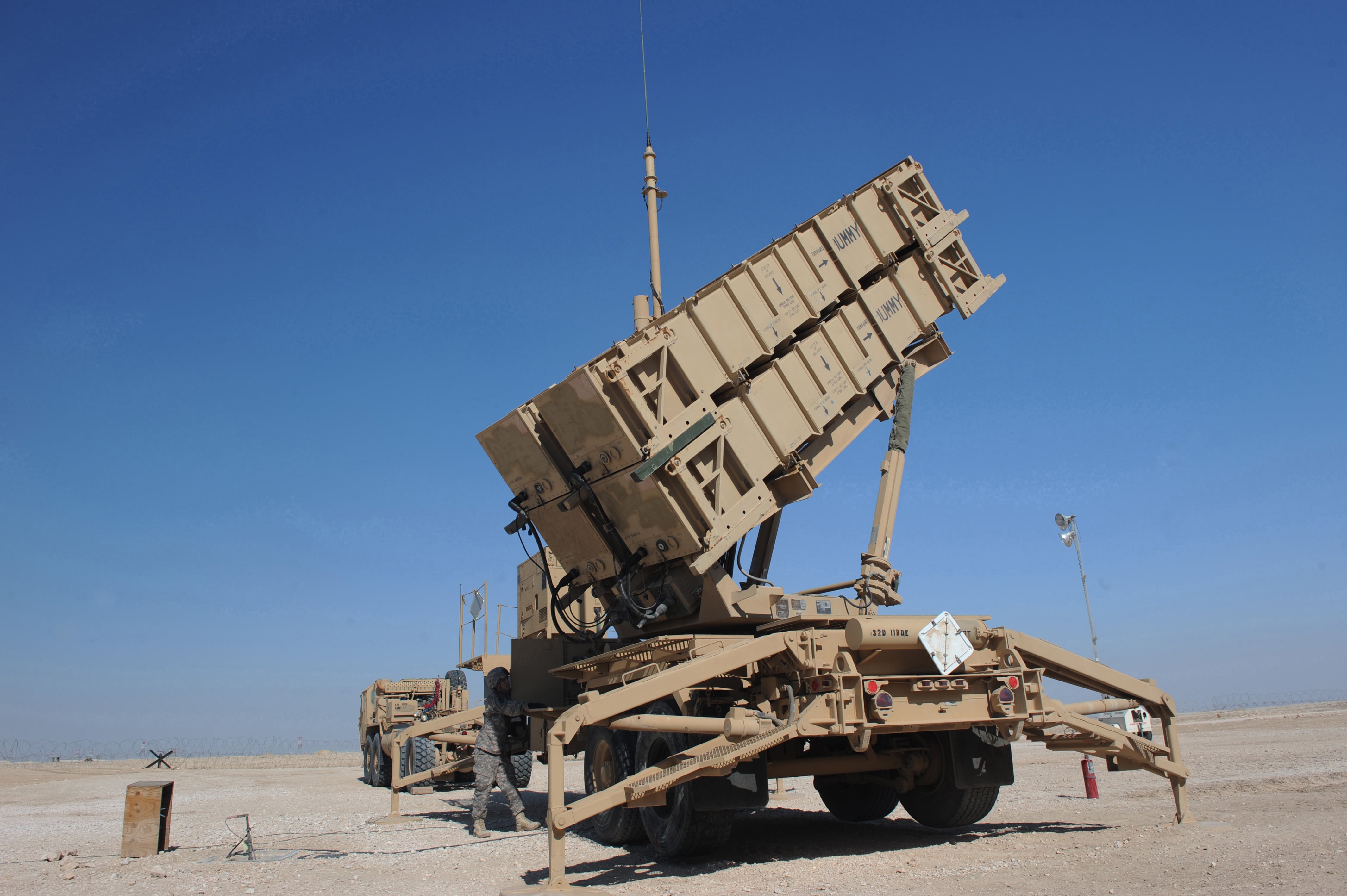
United States deploys two additional Patriot missile systems to Saudi Arabia and Qatar
 Politics
United States Eases Military Sales Restrictions on Syria
 Politics
United States Announces Israel and Lebanon Reach Ceasefire Agreement
 Gulf
How US-Israel Iran Strikes Hurt Qatar Gas Exports & Gulf Economies 2026
 Diplomacy