
Iran Seeks Control
Iran is attempting to formalize its control over the Strait of Hormuz, a vital shipping channel, by launching the Persian Gulf Strait Authority, sparking concerns over ship crossings and the potential implications for global trade. The move is seen as an effort by the Islamic Revolutionary Guard Corps to assert its authority over the strategic waterway, which is a critical passage for international oil exports. The Strait of Hormuz is a narrow passage that connects the Persian Gulf to the Gulf of Oman and the Arabian Sea, and it is estimated that a significant portion of the world's oil exports pass through this channel.
The context of Iran's move to formalize its control over the Strait of Hormuz is significant, given the country's history of tensions with its neighbors and global powers. The Strait is a critical component of international trade, with many countries relying on it for the transportation of oil and other goods. Any disruption to shipping in the Strait could have far-reaching consequences for the global economy. Furthermore, Iran's efforts to assert its control over the Strait come at a time when the country is facing significant economic pressure, including sanctions related to its nuclear program. The launch of the Persian Gulf Strait Authority may be seen as an attempt by Iran to exert its influence over the region and to counter the effects of these sanctions.
The implications of Iran's move are likely to be closely watched by countries in the region, including those in the Gulf Cooperation Council. Qatar, in particular, has a significant interest in the stability of the region and the free flow of trade through the Strait of Hormuz. As a major oil and gas exporter, Qatar relies on the Strait for the transportation of its energy exports, and any disruption to shipping in the region could have significant consequences for the country's economy. The Qatari government is likely to be monitoring the situation closely, and may be working with its regional partners to ensure that the Strait remains open to international shipping.
The launch of the Persian Gulf Strait Authority has also sparked concerns about the potential for increased tensions in the region. The Islamic Revolutionary Guard Corps has a history of aggressive behavior in the Strait, and its efforts to assert its authority over the waterway may be seen as a provocation by other countries in the region. The international community is likely to be watching the situation closely, and may be working to prevent any escalation of tensions. In the meantime, the Qatari government and other countries in the region will be seeking to ensure that the Strait of Hormuz remains a safe and stable passage for international shipping.
Iran's attempt to formalize its control over the Strait of Hormuz is a significant development that is likely to have far-reaching implications for the region and the global economy. As a major player in the region, Qatar will be closely watching the situation and working to ensure that the Strait remains open to international shipping. The Qatari government's efforts to promote stability and security in the region will be critical in the coming days and weeks, as the international community seeks to navigate the complex and challenging situation in the Strait of Hormuz.
النسخة العربية
إيران تطلب السيطرة
تتحرك إيران لتعزيز سيطرتها على مضيق هرمز، مما يثير مخاوف بشأن عبور السفن عبر هذا الممر المائي الحيوية. هذا التطور يأتي في سياق محاولات إيران لتعزيز نفوذها في المنطقة، وخاصة فيما يتعلق بالشأن النووي والاقتصادي.
يعد مضيق هرمز أحد أهم الممرات المائية في العالم، حيث يمر عبره أكثر من 20% من إجمالي صادرات النفط في العالم. لذلك، فإن أي محاولة لتحديد السيطرة على هذا المضيق قد تثير مخاوف لدى الدول الأخرى، لا سيما تلك التي تعتمد على عبور السفن عبره لتحقيق مصالحها الاقتصادية. تسعى إيران لإنشاء ما يسمى "سلطة مضيق الخليج الفارسي" لتنظيم عبور السفن عبر المضيق، ولكن هذا القرار قد يواجه تحديات ومخاوف من قبل الدول الأخرى.
وفقًا لمصادر إخبارية، فإن إيران تحاول تعزيز وجودها العسكري في المنطقة، وخاصة عبر الحرس الثوري الإيراني، الذي يعد أحد أهم الأذرع العسكرية في البلاد. يتعين على إيران مواجهة تحديات ومخاوف الدول الأخرى، لا سيما الولايات المتحدة، التي تعتبر إيران منافسًا إقليميًا. في هذا السياق، يبدو أن إيران تحاول تعزيز نفوذها في المنطقة من خلال محاولاتها لتحديد السيطرة على مضيق هرمز.
Source tweet
Iran attempts to formalize control over Strait of Hormuz, sparking concerns over ship crossings
More Stories
 Iran
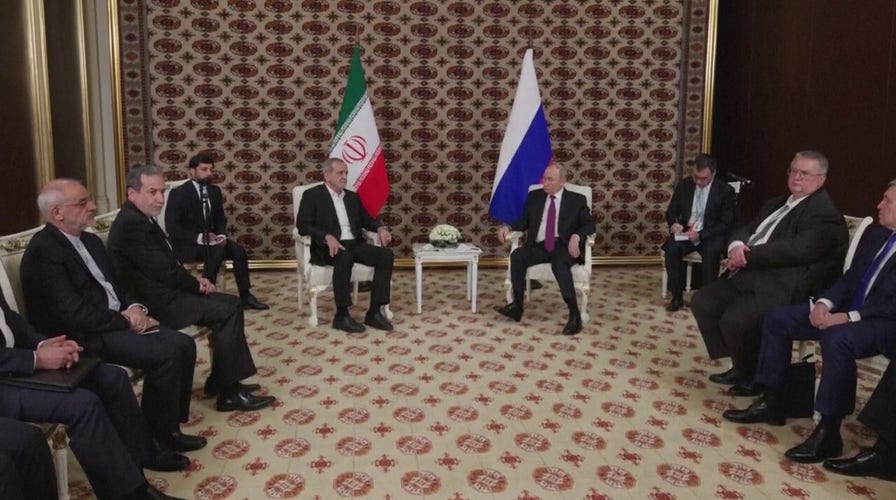
IranIranian Official Meets Putin, Seeks Mediation Before Responding
 Iran
IranIran Creates Permanent Hormuz Control Body: Threat to Gulf Shipping
 Iran
IranIran Announces Permanent Mechanism to Control Strait of Hormuz Amid U.S. Threats
 BREAKING
UK Declines Participation in U.S. Hormuz Strait Blockade, Seeks Coalition for Navigation Freedom
 BREAKING