
Iran Supreme Leader Ali Khamenei has reportedly died suddenly today
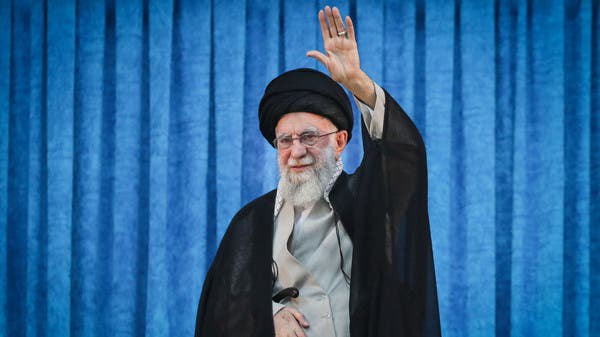
Iran has announced the death of its Supreme Leader Ali Khamenei, marking a significant development in the country's political landscape. The news of Khamenei's passing was announced by Iranian authorities, although no further details were provided regarding the circumstances surrounding his death. As the Supreme Leader of Iran, Khamenei held the highest political and religious authority in the country, playing a crucial role in shaping its domestic and foreign policies. His death is likely to have far-reaching implications for Iran's internal power dynamics and its relationships with other nations.
The context of Khamenei's death is significant, given his long tenure as Iran's Supreme Leader, a position he held since 1989. During his leadership, Iran has experienced numerous challenges, including international sanctions, internal unrest, and regional conflicts. Khamenei's death may lead to a period of uncertainty and potential power struggles within Iran's ruling establishment, as various factions and interest groups vie for influence and control. The Iranian government's response to Khamenei's death will be closely watched, both domestically and internationally, as it seeks to maintain stability and continuity in the face of this significant change.
As news of Khamenei's death spreads, the international community is likely to be watching Iran's next moves closely, particularly given the country's complex relationships with its neighbors and global powers. In the Gulf region, countries such as Qatar, Saudi Arabia, and the United Arab Emirates will be monitoring developments in Iran with great interest, given the historical tensions and rivalries between these nations. The potential implications of Khamenei's death for regional security and diplomacy are significant, and may lead to new opportunities for cooperation or conflict.
The death of Ali Khamenei may be seen as an opportunity for renewed engagement and dialogue with Iran from a Qatari perspective, given the two countries' historical ties and shared interests in regional stability. Qatar has long maintained a pragmatic approach to its relationships with its neighbors, including Iran, and may seek to build on this foundation in the aftermath of Khamenei's death. As the region navigates this significant development, Qatar is likely to play an active role in promoting diplomacy and cooperation, in pursuit of a more stable and secure Gulf.
النسخة العربية
إيران تعلن عن وفاة المرشد الأعلى علي خامنئي
أعلنت إيران عن وفاة المرشد الأعلى علي خامنئي، وذلك في تغريدة نشرت على حساب قناة العربية على تطبيق التليجرام، مما أثار حالة من الصدمة والاهتمام في الأوساط الإقليمية والدولية.
تعد وفاة المرشد الأعلى علي خامنئي حدثاً هاماً في السياسة الإيرانية، حيث كان خامنئي شخصية مؤثرة في الشؤون الإيرانية والإقليمية منذ توليه منصب المرشد الأعلى في عام 1989. كان خامنئي يعتبر رمزاً للثورة الإيرانية وقيادة النظام الإسلامي في البلاد، وقد لعبت شخصيته دوراً حاسماً في تشكيل السياسات الإيرانية الداخلية والخارجية.
وفاة المرشد الأعلى علي خامنئي تثير تساؤلات حول مستقبل إيران والمنطقة، حيث قد تؤدي هذه التغييرات إلى تحولات في السياسات الإيرانية وتأثيرات على العلاقات الإقليمية والدولية. في هذا السياق، من المتوقع أن تشهد إيران فترة من عدم الاستقرار السياسي، حيث قد تتنافس الفصائل الإيرانية على السلطة والتأثير.
Source tweet
إيران تعلن عن وفاة المرشد الأعلى علي خامنئي.
More Stories
 Iran
IranKhamenei's Message on "Gulf Day" Highlights Regional Realities and Hormuz Significance
 Iran
IranUS Military Leaders to Brief Trump on New Iran Options Thursday
 Gulf
GulfRSF leaders amass wealth in Dubai
 Politics
Hezbollah Leader Calls for Lebanon to Withdraw from Israel Negotiations
 BREAKING