

Iran targets US bases in 4 Gulf states, including UAE, with missile strikes in response to US-Israeli aggression.
Iran has launched missile strikes against US bases in four Gulf states, including the United Arab Emirates, in a retaliatory response to what it perceives as US-Israeli aggression. This development marks a significant escalation in the region, where tensions between Iran and its adversaries have been simmering for years. The targeting of US bases in multiple Gulf countries underscores the complexity and volatility of the geopolitical landscape in the Middle East, where various nations and interests are vying for influence.
The context of this escalation is rooted in the long-standing rivalry between Iran and its regional foes, particularly Israel and the United States. Iran has consistently expressed opposition to the presence of US military bases in the Gulf, viewing them as a threat to its national security and regional stability. The inclusion of the UAE among the targeted countries is notable, given its close relationship with the United States and its role as a key player in regional affairs. The UAE hosts significant US military assets and has been a staunch ally of the US in its efforts to counter Iranian influence in the region.
The specifics of the missile strikes, including the exact locations and extent of the damage, are not immediately clear. However, the fact that Iran has chosen to target US bases in multiple countries suggests a deliberate attempt to demonstrate its military capabilities and to signal its willingness to confront its adversaries directly. This move is likely to prompt a response from the US and its allies, potentially leading to further escalation in the region. The situation is being closely watched by other Gulf states, including Qatar, which has sought to maintain a balance in its relationships with both Iran and the US.
As the situation continues to unfold, the Gulf region is bracing for potential further instability. Qatar, with its strategic location and diplomatic efforts to promote regional dialogue, is likely to play a key role in any attempts to de-escalate the situation. The Qatari government has consistently advocated for a peaceful resolution to regional conflicts, emphasizing the need for dialogue and cooperation to address the complex challenges facing the Middle East. From a Gulf perspective, the hope is that cooler heads will prevail, and that the parties involved will seek a path towards reducing tensions rather than allowing the situation to spiral out of control.
النسخة العربية
تعرضت 4 قواعد أمريكية في الإمارات والبحرين وقطر والكويت لهجمات صاروخية إيرانية
تتعرض المنطقة لتصعيد جديد بعد أن أعلنت إيران عن استهدافها لقواعد أمريكية في أربعة دول خليجية، وهي الإمارات والبحرين وقطر والكويت، وذلك رداً على ما وصفتها بأنه عدوان أمريكي-إسرائيلي. هذا التطور يأتي في سياق التوترات المتزايدة في المنطقة، حيث تشهد المنطقة تحركات عسكرية متزايدة وتوترات دبلوماسية بين الدول المعنية.
تعتبر هذه الهجمات الصاروخية الإيرانية استجابة مباشرة لما تعتبره إيران تهديدات وأعمال عدوانية من قبل الولايات المتحدة وإسرائيل. المنطقة الخليجية تشهد توترات دبلوماسية وعسكرية متزايدة، حيث تقوم الدول المعنية بتعزيز وجودها العسكري وتحديث قواتها. هذه التحركات تزيد من حدة التوتر في المنطقة، وتعزز المخاوف بشأن استقرار المنطقة وأمنها.
تعتبر قواعد الولايات المتحدة في الإمارات والبحرين وقطر والكويت من الأهداف الاستراتيجية الهامة، حيث تقوم هذه القواعد بدور مهم في دعم الأمن والاستقرار في المنطقة. الهجمات الصاروخية الإيرانية على هذه القواعد تظهر مدى التوترات بين إيران والولايات المتحدة، وتعزز المخاوف بشأن تصعيد النزاع في المنطقة.
Source tweet
Iran targets US bases in 4 Gulf states, including UAE, with missile strikes in response to US-Israeli aggression.
More Stories
 Diplomacy
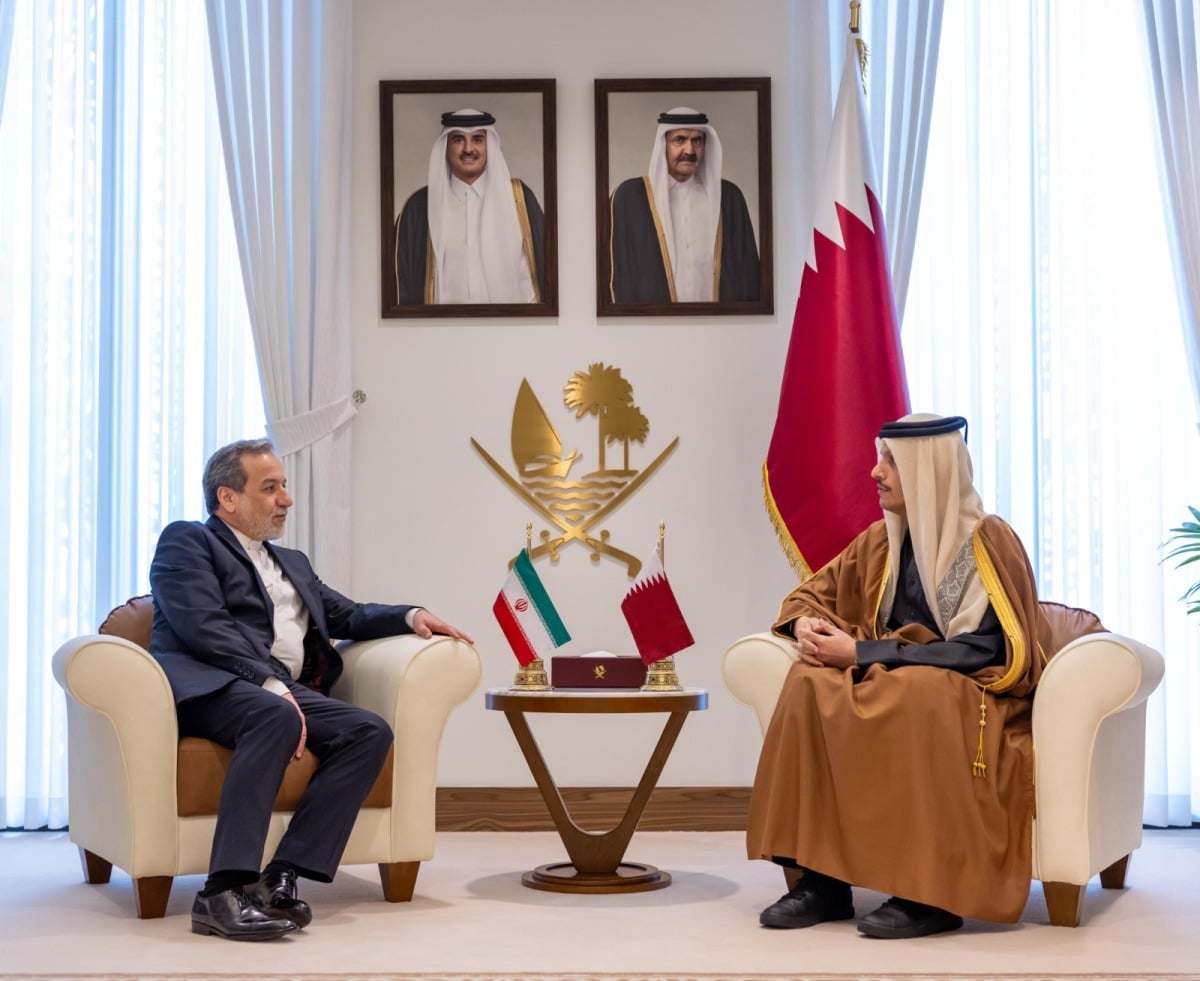
Iran Foreign Minister Abbas Araghchi visits Qatar after Sunday missile attacks
 Iran
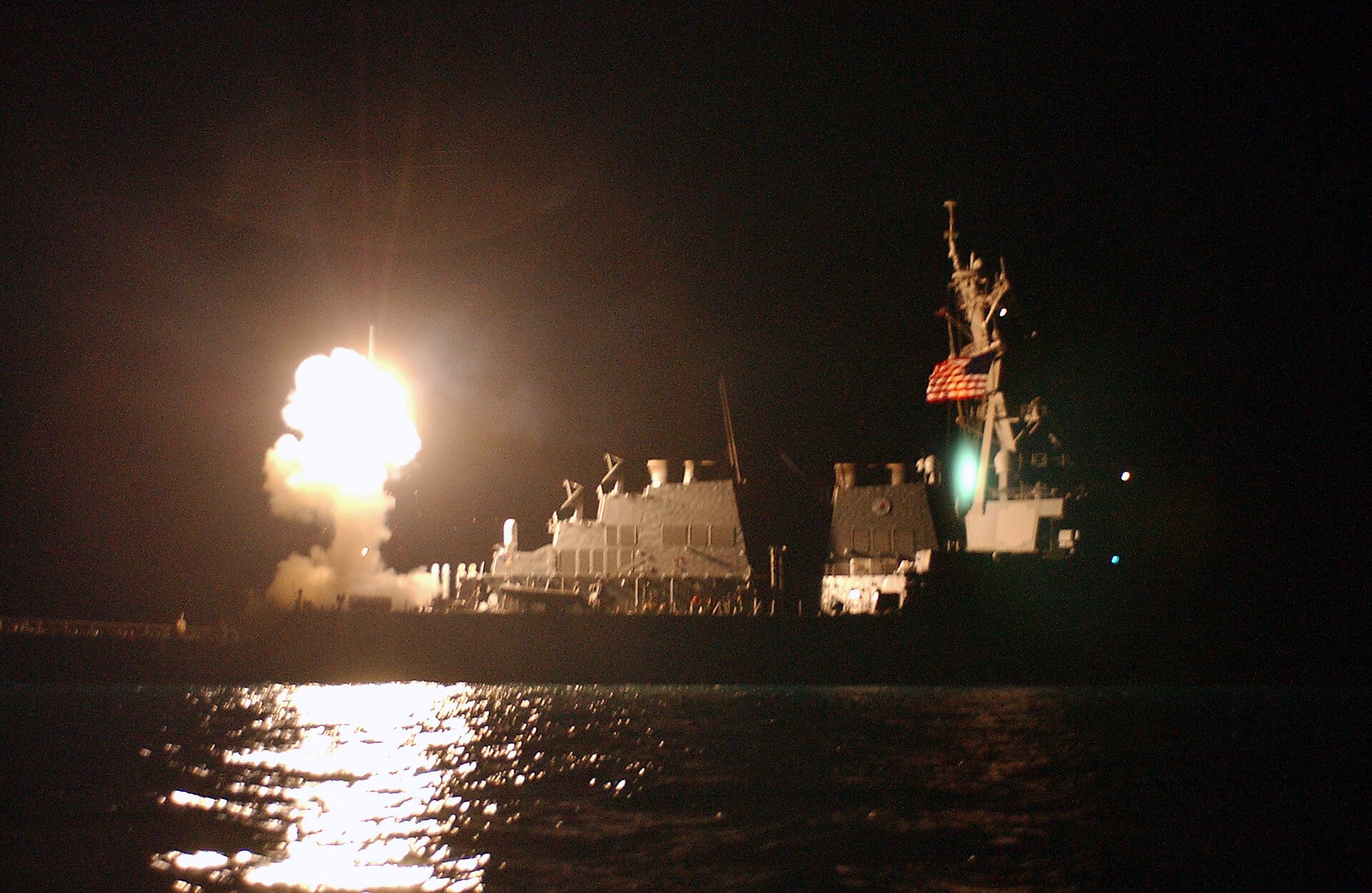
IranUS Strikes Iran, Targets Missile and Radar Facilities Along Coast
 Iran
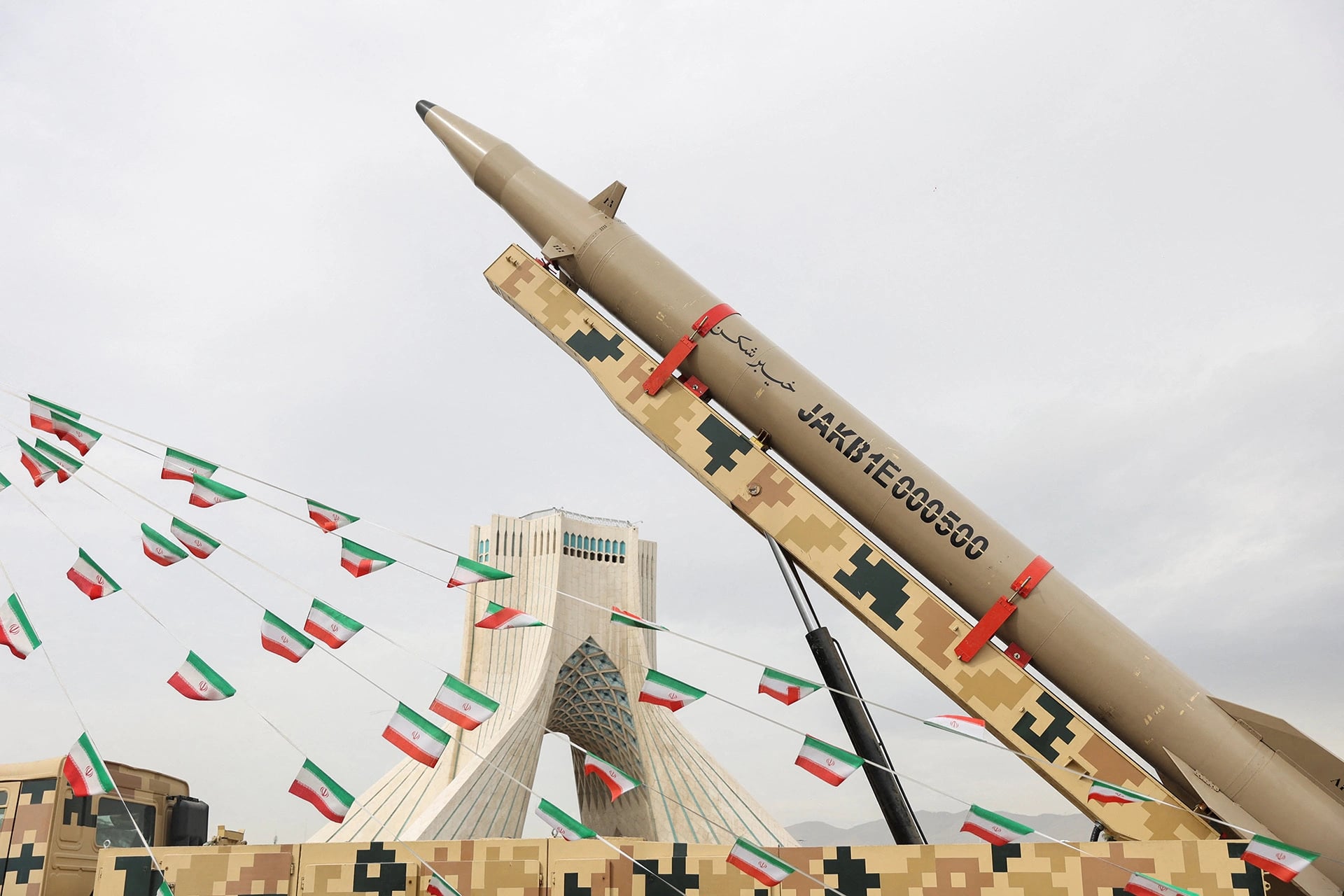
IranIranian President Says Opposite Side Changed Stance on Missiles
 Africa
Trained on Emirati Bases, Colombian Mercenaries Stood by as RSF Killed in El-Fasher
 Gulf
Gulf