

NATO intercepts Iranian missile targeting Turkey amid rising regional tensions

NATO defense systems successfully intercepted a missile launched from Iran towards Turkey, underscoring escalating security tensions in the region. This incident highlights the fragile geopolitical landscape in the Middle East, where various nations are engaged in a complex web of alliances and rivalries.
The missile interception by NATO forces is significant, reflecting the ongoing threats posed by missile capabilities in the region. Iran's missile program has long been a concern for neighboring countries and Western powers, particularly given the history of hostilities and the potential for conflict. The interception not only prevented a potential attack on Turkey but also demonstrated NATO's commitment to collective defense and regional security.
Turkey, a key member of NATO, has increasingly voiced its security concerns, especially in light of Iran's military advancements and the broader implications for regional stability. This incident may further strain relations between Iran and NATO member states, raising questions about Iran's intentions and its approach to regional security dynamics.
In recent years, the Middle East has experienced a surge in military activities and missile tests, with various nations enhancing their defense capabilities in response to perceived threats. Ongoing conflicts in neighboring countries have created a volatile environment. The missile interception serves as a reminder of the precarious balance of power in the region and the potential for miscalculations that could lead to broader conflicts.
From a Gulf perspective, this incident may prompt a reevaluation of security strategies among Gulf Cooperation Council (GCC) member states. The GCC has increasingly focused on enhancing collective defense mechanisms in light of regional threats, and the successful interception by NATO could catalyze deeper cooperation between Gulf states and Western allies.
As tensions continue to rise, the need for diplomatic engagement and dialogue becomes more pressing. The international community must remain vigilant in addressing the underlying issues that contribute to instability in the region. This missile interception is a critical moment that underscores the importance of collaborative security efforts to prevent escalation and ensure peace in the Middle East.
النسخة العربية
دمرت دفاعات الناتو صاروخاً أطلق من إيران نحو تركيا، مما يبرز التوترات الأمنية في المنطقة
دمرت دفاعات حلف شمال الأطلسي (الناتو) صاروخاً أطلق من إيران باتجاه تركيا، مما يبرز التوترات الأمنية المتزايدة في المنطقة. يأتي هذا الحدث في ظل تصاعد التوترات الجيوسياسية في الشرق الأوسط، حيث تعد تركيا عضواً مهماً في الناتو، وتعتبر إيران من الأطراف الفاعلة في المنطقة.
تعتبر هذه الحادثة جزءاً من سلسلة من الأحداث التي تزيد من تعقيد العلاقات بين الدول في الشرق الأوسط. تلعب تركيا، التي تشترك في حدود طويلة مع إيران، دوراً حيوياً في الاستراتيجية الدفاعية للناتو في المنطقة. وقد زادت أهمية هذه الاستراتيجية في السنوات الأخيرة مع تزايد التهديدات الأمنية التي تواجهها الدول الأعضاء في الحلف من جهات متعددة.
لم يتم الكشف عن تفاصيل إضافية حول نوع الصاروخ الذي تم تدميره أو كيفية اعتراضه، ولكن من المعروف أن الناتو يمتلك أنظمة دفاعية متقدمة قادرة على التعامل مع مثل هذه التهديدات. يعتمد الناتو على شبكة من الرادارات والصواريخ الدفاعية المتطورة التي يمكنها اكتشاف واعتراض الصواريخ الباليستية والتكتيكية في مراحل مختلفة من مسارها.
Source tweet
دمرت دفاعات الناتو صاروخاً أطلق من إيران نحو تركيا، مما يبرز التوترات الأمنية في المنطقة.
More Stories
 Turkey
Lebanon Plans Port Expansion and Railway Links to Gulf, Iraq and Turkey
 Turkey
Turkey Built Somalia's Military. Now Its Drones Are Accused of Targeting a Political Rival
 Diplomacy
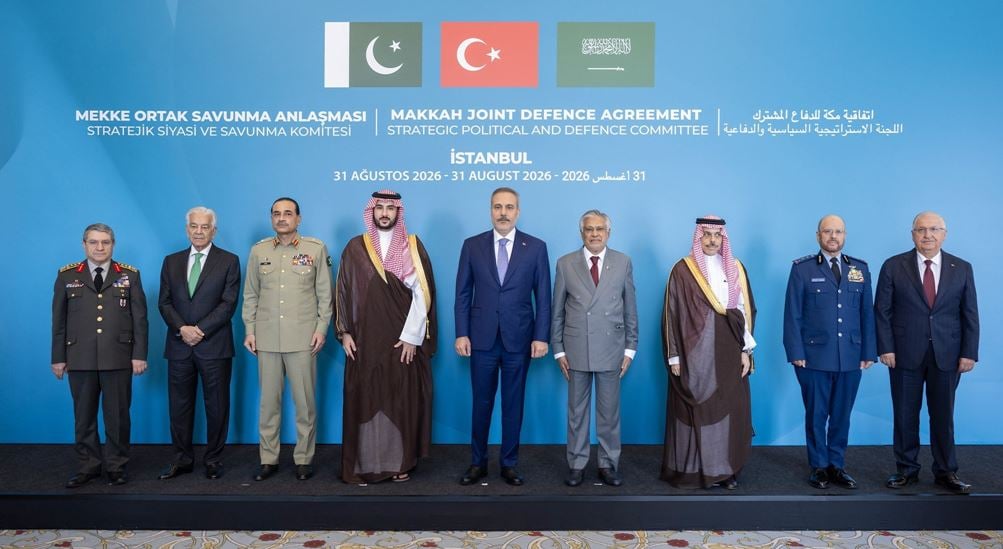
Pakistan, Turkey, Saudi Arabia Strengthen Defense Alliance Amid Regional Shifts
 Diplomacy
Qatar and Turkey discuss regional developments and de-escalation efforts
 Africa