

Russia Develops Zeus Nuclear Space Tug Based on TEM Concept

Russia is advancing development of a nuclear-powered space tug designated Zeus, a project built on the Transport and Energy Module concept that engineers have been refining for over a decade, according to information circulating among open-source defense analysts.
The Zeus tug, designed to carry heavy payloads across vast distances within the solar system using a nuclear reactor for propulsion and power generation, represents Moscow's most ambitious space infrastructure project since the Soviet era. Russian state space corporation Roscosmos has confirmed the program's existence in past statements, framing it as a cornerstone of Russia's long-term deep-space ambitions.
The disclosure comes as the original Nuklon nuclear power plant project — an earlier iteration of Russia's nuclear space propulsion effort — has reportedly not been completed as planned. Development resources and technical focus have instead been redirected toward the Zeus concept, which engineers describe as a more capable and operationally flexible successor to the Nuklon design.
The Transport and Energy Module at the heart of Zeus uses a megawatt-class nuclear reactor to generate electricity that powers ion engines, allowing the tug to maneuver spacecraft and payloads with efficiency far exceeding conventional chemical propulsion. Russian officials have previously stated that such a system could reduce travel time to the outer planets significantly, opening up commercial and scientific missions that are currently impractical.
For Gulf states, including Qatar, which have invested substantially in space programs and satellite infrastructure over the past decade, Russia's advancement in nuclear space propulsion carries strategic relevance. Qatar's National Space Program and the broader Gulf push toward space-based communications, Earth observation, and eventually deep-space participation mean that shifts in the global balance of space capabilities directly affect regional planning horizons.
The Zeus program, if completed, would give Russia a unique orbital logistics capability with no current equivalent in Western or Chinese programs, potentially reshaping commercial launch and in-space transportation markets in which Gulf sovereign wealth funds have taken growing interest. International observers note that nuclear propulsion technology also carries dual-use implications, adding a layer of geopolitical sensitivity to Russia's announcements in this domain.
No official timeline for Zeus's first operational flight has been publicly confirmed, and Western space analysts caution that Russian state space programs have historically faced significant delays between announcement and deployment.
النسخة العربية
روسيا تعمل على مركبة فضائية نووية
تواصل روسيا تطوير مركبة فضائية تعمل بالطاقة النووية تُعرف بـ"زيوس"، في مشروع يرتكز على مفهوم وحدة النقل والطاقة الذي عكف المهندسون على تطويره على مدى أكثر من عقد، وفقاً للمعلومات التي تداولها المحللون المتخصصون في رصد مصادر الاستخبارات المفتوحة.
صُمِّمت مركبة زيوس للفضاء لنقل الحمولات الثقيلة عبر مسافات شاسعة داخل المنظومة الشمسية، مستخدمةً مفاعلاً نووياً للدفع وتوليد الطاقة، وتُمثّل هذا المشروع أكثر مبادرات روسيا الفضائية طموحاً منذ الحقبة السوفيتية. وسبق لمؤسسة روسكوسموس الفضائية الحكومية الروسية أن أقرّت بوجود هذا البرنامج في تصريحات سابقة، مقدِّمةً إياه ركيزةً محورية في توجهات روسيا نحو الفضاء السحيق على المدى البعيد.
جاءت هذه التطورات في أعقاب تقارير تفيد بعدم اكتمال مشروع محطة الطاقة النووية "نوكلون" - الإصدار السابق من برنامج الدفع الفضائي النووي الروسي - وفق الجدول الزمني المقرر. وعوضاً عن ذلك، أُعيد توجيه الموارد التطويرية والتركيز التقني نحو مفهوم زيوس، الذي يصفه المهندسون بأنه خلف أكثر قدرةً ومرونة تشغيلية لتصميم نوكلون.
Source tweet
#Russia Russia has not completed the Nuklon nuclear power plant; instead, it has been focusing on the development of t
More Stories
 BREAKING
Ground-based cruise missile attacks French cargo ship near Dubai.
 BREAKING
Russia and Qatar discuss Hormuz Strait security concerns
 Iran
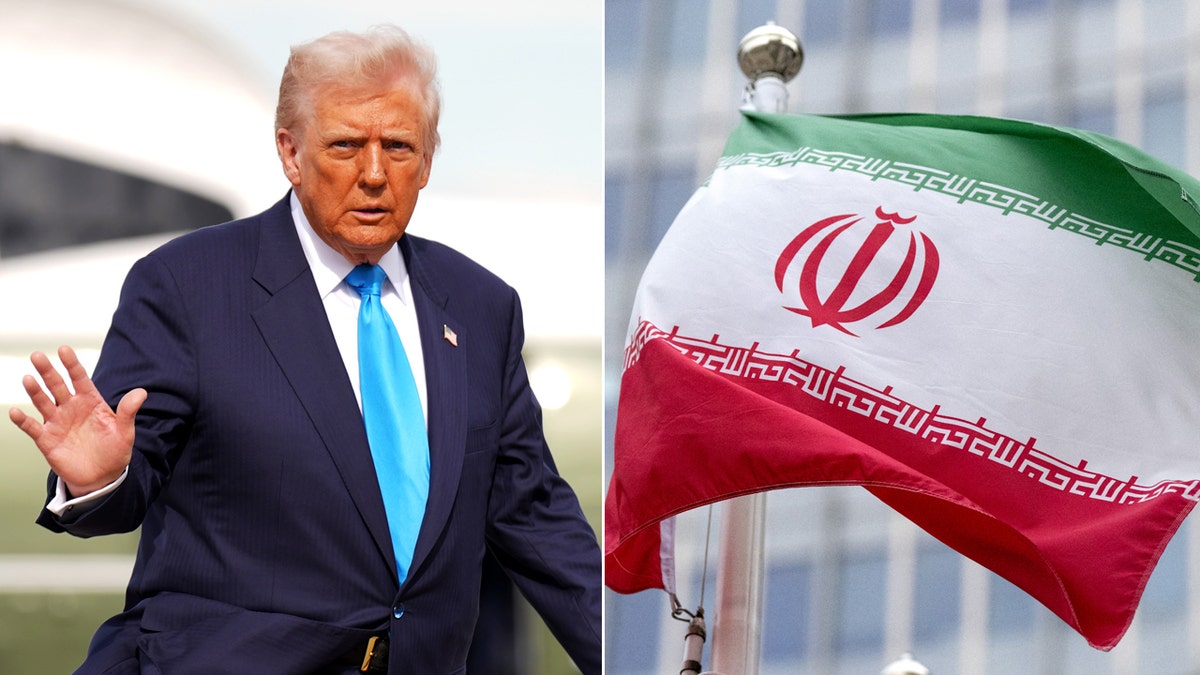
IranTrump Says Iran Should Not Get Nuclear Weapon
 BREAKING
Iran Open to Resuming US Nuclear Talks if Trump Changes Tone
 Gulf
Gulf