

Tehran Rejects US Demand for Temporary Ceasefire in Strait of Hormuz
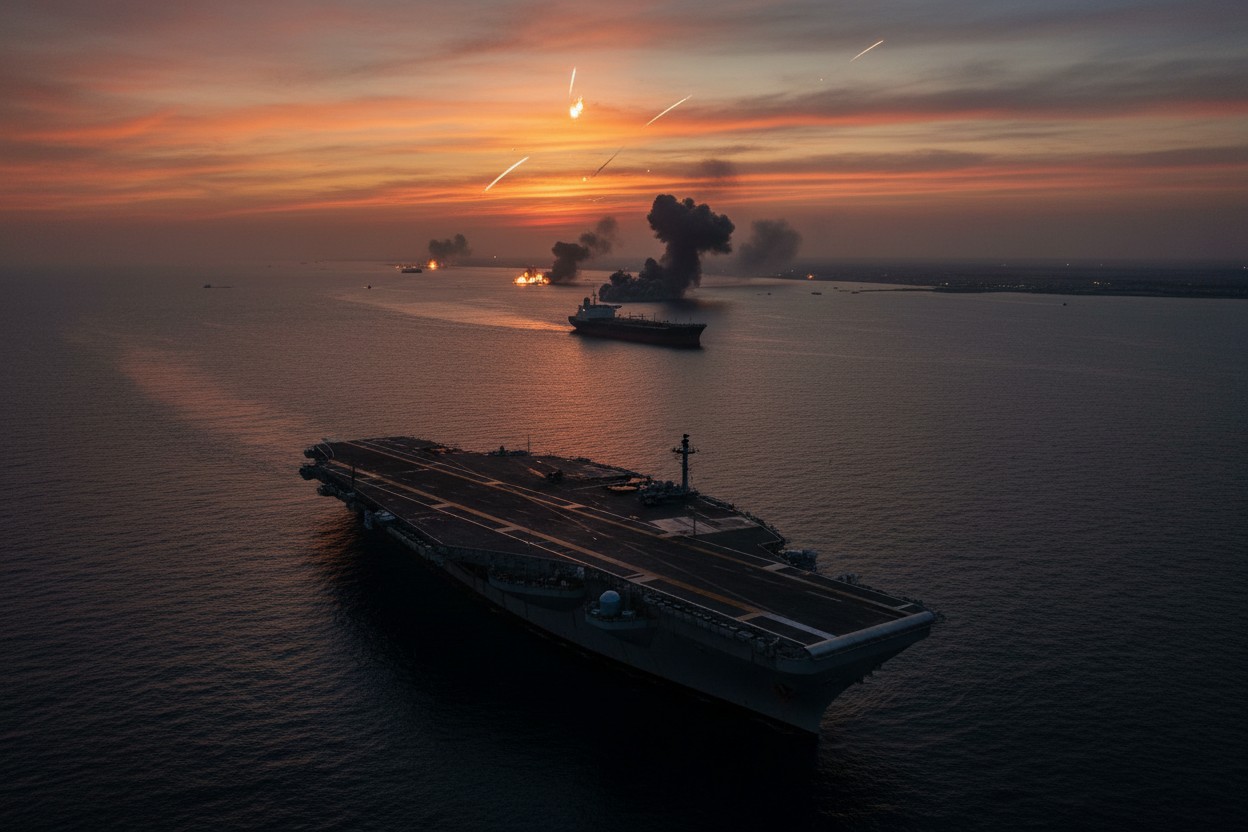
Iran has firmly rejected a demand from the United States for a temporary ceasefire in the strategically vital Strait of Hormuz, escalating tensions between the two nations. The Iranian government expressed concerns over the potential for increased military deployment in the region, which is a critical chokepoint for global oil shipments.
The Strait of Hormuz, located between Iran and Oman, is one of the most significant maritime passages in the world, with approximately 20% of the global oil supply passing through its waters. The U.S. has been vocal about its commitment to ensuring the free flow of commerce in the strait, particularly amid rising geopolitical tensions in the Middle East. Iran's rejection of the ceasefire demand signals its unwillingness to compromise on its military posture in the region, which it views as essential for national security.
In response to perceived threats from Iran, including the seizure of oil tankers and attacks on shipping vessels, the U.S. has increased its military presence in the Gulf. This military buildup has raised alarms among regional allies and has led to calls for de-escalation. Iran's dismissal of the ceasefire proposal may be interpreted as a strategic decision to assert its influence and deter U.S. actions that it perceives as aggressive.
The situation in the Strait of Hormuz is further complicated by broader regional dynamics, including Iran's ongoing nuclear negotiations with world powers and its support for proxy groups across the Middle East. The U.S. has consistently accused Iran of destabilizing the region, while Iran maintains that its military activities are defensive in nature. The rejection of the ceasefire reflects Iran's commitment to its strategic objectives, even in the face of international pressure.
For countries in the Gulf region, the implications of this standoff are significant. The Strait of Hormuz is crucial not only for oil exports but also for the overall stability of Gulf economies. Any disruption in maritime traffic could lead to increased oil prices and economic uncertainty, impacting both producers and consumers. Gulf states are closely monitoring the situation as they navigate their own relationships with both the U.S. and Iran.
As tensions continue to rise, the prospect of military confrontation in the Strait of Hormuz remains a concern for regional and global stakeholders. The international community is urged to seek diplomatic solutions to prevent escalation and ensure the security of one of the world's most vital maritime corridors. Ongoing developments will likely shape the future of U.S.-Iran relations and influence the geopolitical landscape of the Gulf region for years to come.
النسخة العربية
عاجل | طهران ترفض مطلب واشنطن بوقف إطلاق النار في مضيق هرمز
في خطوة تزيد من حدة التوترات في منطقة الخليج، رفضت طهران مطلب الولايات المتحدة بوقف إطلاق النار في مضيق هرمز، الذي يعد أحد أهم الممرات البحرية الحيوية في العالم لنقل النفط. يأتي هذا الرفض في وقت تتصاعد فيه التوترات بين إيران والولايات المتحدة، مما يثير قلق المراقبين بشأن استقرار المنطقة.
يعتبر مضيق هرمز نقطة استراتيجية حيوية، حيث يمر من خلاله حوالي 20% من إمدادات النفط العالمية. وأي اضطراب في هذا الممر يمكن أن يؤثر بشكل كبير على أسواق الطاقة العالمية ويزيد من أسعار النفط. وقد شهدت المنطقة في السنوات الأخيرة توترات متزايدة بين إيران والولايات المتحدة، بما في ذلك مواجهات بحرية واحتجاز سفن. لذا فإن رفض طهران لطلب وقف إطلاق النار يعكس تعقيدات الوضع الحالي ويزيد من احتمالية حدوث تصعيد عسكري.
التوترات بين طهران وواشنطن ليست جديدة، فقد تصاعدت بشكل ملحوظ منذ انسحاب الولايات المتحدة من الاتفاق النووي مع إيران في عام 2018 وإعادة فرض العقوبات الاقتصادية عليها. ومنذ ذلك الحين، شهدت المنطقة سلسلة من الأحداث التي زادت من حدة التوتر، بما في ذلك الهجمات على منشآت النفط السعودية واحتجاز ناقلات النفط. ويأتي رفض إيران لوقف إطلاق النار في هذا السياق المعقد، حيث تسعى طهران إلى تعزيز موقفها الإقليمي ومواجهة الضغوط الأمريكية.
Source tweet
🚨 BREAKING | Iran rejects US demand for ceasefire in Strait of Hormuz, citing concerns over potential military deployment. #StraitOfHormuz #USIranTensions
More Stories
 Economy
Iran Oil Exports Drop 40% in 2026 as US Blockade Cuts Tehran's Revenue
 BREAKING
Cuba Rejects US "Coercive Measures," Cites UN Charter Violation
 Diplomacy