

US considers exit strategies for a war with Iran as Iran warns of retaliation.
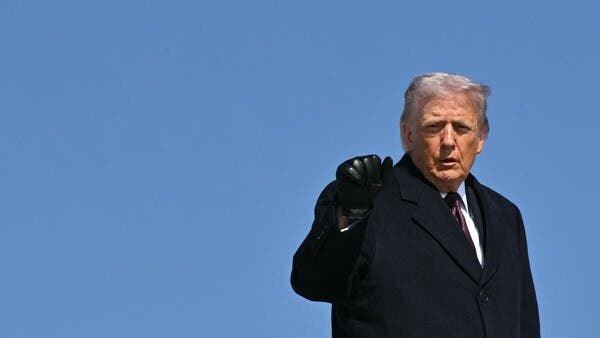
The United States is reportedly exploring potential exit strategies for a possible war with Iran, as tensions between the two nations continue to escalate, with Iran warning of severe retaliation in the event of a conflict. The context of this development is rooted in the longstanding tensions between the US and Iran, which have been exacerbated by a series of incidents in recent years, including the US withdrawal from the Joint Comprehensive Plan of Action, also known as the Iran nuclear deal, and the subsequent reimposition of economic sanctions on Iran.
The situation has been further complicated by a series of attacks on oil tankers and facilities in the Gulf, which the US has blamed on Iran, and the downing of a US drone by Iranian forces. The significance of these developments lies in the potential for a wider conflict in the region, which could have far-reaching consequences for global security and the economy. A war between the US and Iran would likely draw in other nations, including those in the Gulf, and could lead to a significant disruption of oil supplies, with potentially devastating consequences for the global economy.
US officials are considering a range of options for a potential exit strategy, including a negotiated settlement, a ceasefire, or a withdrawal of forces from the region. These options are being explored as part of a broader effort to de-escalate tensions with Iran, which has warned of severe retaliation in the event of a conflict. Iranian officials have stated that any attack on the country would be met with a strong response, and that Iran is prepared to defend itself against any aggression. The US has also been engaging with its allies in the region, including Saudi Arabia and the United Arab Emirates, to coordinate a response to the growing tensions with Iran.
The US has deployed additional troops and military equipment to the region, including an aircraft carrier and a bomber squadron, in a bid to deter Iranian aggression. Over 10,000 additional troops have been deployed to the region since May, and Iran has increased its military presence in the Gulf, including the deployment of additional missile systems and naval vessels. The facts on the ground suggest that both sides are preparing for a potential conflict, and that the situation is highly volatile. The US has also imposed significant economic sanctions on Iran, which have had a major impact on the Iranian economy, with the country's oil exports having fallen by over 80% since the sanctions were reimposed.
The situation is of grave concern from a regional perspective, as a war between the US and Iran would likely have significant consequences for the Gulf region. Qatar, which has maintained good relations with both the US and Iran, has been seeking to play a mediating role in the conflict, and has called for a peaceful resolution to the tensions. The Gulf Cooperation Council, which includes Qatar, Saudi Arabia, and the United Arab Emirates, has also been working to coordinate a response to the growing tensions with Iran, and has called for a de-escalation of the situation. As the situation continues to unfold, it is clear that the Gulf region will be at the forefront of any conflict, and that the consequences of a war would be felt deeply throughout the region.
النسخة العربية
ترامب يتحدث عن مخارج للحرب على إيران ولاريجاني يهدد
تعتزم الولايات المتحدة الأمريكية دراسة استراتيجيات الخروج من الحرب المحتملة مع إيران، وذلك بعد تصريحات للرئيس الأمريكي دونالد ترامب حول بحث خيارات لتجنب المواجهة العسكرية مع إيران، في الوقت الذي يهدد فيه نائب رئيس إيران لحكم القانون علي لاريجاني بضربة قاسية إذا ما تعرضت البلاد لأي هجوم.
تأتي هذه التطورات في سياق التوتر المتزايد بين واشنطن وطهران، حيث تشهد العلاقات بين البلدين تدهوراً متسارعاً منذ انسحاب الولايات المتحدة من الاتفاق النووي مع إيران في عام 2018. وقد أدى هذا الانسحاب إلى فرض عقوبات اقتصادية صارمة على إيران، مما أثر على اقتصادها وازداد التوتر بين البلدين.
وفقاً لمصادر دبلوماسية، فإن الولايات المتحدة تعمل على دراسة سيناريوهات مختلفة للتعامل مع إيران، بما في ذلك خيارات دبلوماسية وعسكرية. وقد أكد الرئيس ترامب على أن بلاده لا تبحث عن حرب مع إيران، لكنه يريد ضمان أمن الولايات المتحدة ومصالحها في المنطقة. في المقابل، يُظهر نائب رئيس إيران لحكم القانون علي لاريجاني موقفاً صارماً تجاه أي هجوم محتمل، حيث يهدد بضربة قاسية إذا ما تعرضت إيران لأي هجوم.
Source tweet
US considers exit strategies for a war with Iran as Iran warns of retaliation.
More Stories
 Africa
Africa CDC Warns Ebola Outbreak Remains Uncontrolled
Standard Chartered Warns Oil Markets Primed for Sharper, Frequent Price Spikes
 Africa
Egypt Warns Ethiopia Over New Nile Dams as Regional Tensions Escalate
 Politics
Trump Warns Israel Must Act on Lebanon or Syria Should Step In
 Iran
Iran