

Egypt Warns Ethiopia Over New Nile Dams as Regional Tensions Escalate
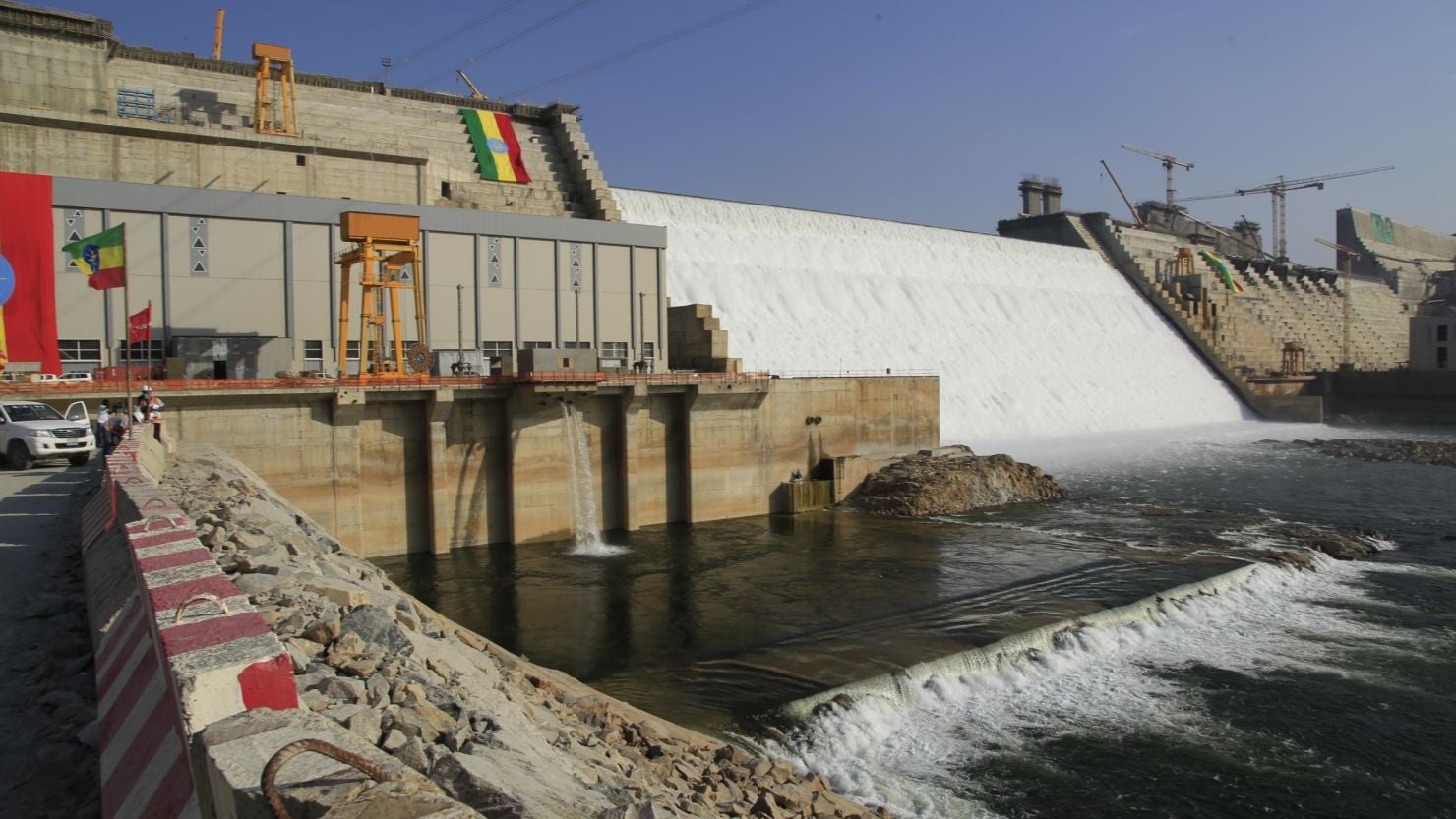
Egypt has issued a formal warning to Ethiopia over plans to construct three additional dams on the Nile River, escalating a years-long dispute over water security that began with the Grand Ethiopian Renaissance Dam (GERD). Cairo's government stated that any new construction proceeding without a binding agreement on water allocation would be treated as a direct threat to Egyptian national security. The Nile supplies over 90 percent of Egypt's freshwater needs, and officials in Cairo have long argued that unilateral upstream projects could reduce flow to a country already facing water scarcity for its population of more than 105 million. Ethiopia completed the GERD's final filling in 2023 after more than a decade of construction, generating hydroelectric power central to its national development plans, but has resisted Egyptian and Sudanese demands for a legally binding operational framework governing drought years and dam releases. Addis Ababa maintains its right to develop the Blue Nile's resources to lift millions out of poverty and expand electricity access. The latest announcement of three further dam projects has hardened positions on both sides, with analysts warning that the dispute carries a risk of drawing in regional actors through proxy alignments, given existing tensions in the Horn of Africa involving Sudan, Eritrea, and Somalia. Egypt has previously sought support from Gulf states and international mediators, including the United States and the African Union, though talks have repeatedly stalled without a comprehensive treaty. Qatar and other Gulf nations have generally called for negotiated resolution of the dispute, wary of instability spreading across a region already strained by conflicts in Sudan and the wider Horn of Africa. No date has been set for renewed negotiations, and both governments have signaled they will not back down from their respective positions on water rights and sovereign development.
النسخة العربية
مصر تحذر إثيوبيا من سدود نيلية جديدة وسط تصعيد التوترات الإقليمية
وجّهت مصر تحذيراً رسمياً إلى إثيوبيا بشأن خطط لبناء ثلاثة سدود إضافية على نهر النيل، في تصعيد لنزاع طويل الأمد حول الأمن المائي بدأ مع سد النهضة الإثيوبي الكبير. وأعلنت الحكومة المصرية أن أي بناء جديد يمضي دون اتفاق ملزم بشأن تقاسم المياه سيُعامل كتهديد مباشر للأمن القومي المصري. ويوفر نهر النيل أكثر من 90 بالمئة من احتياجات مصر من المياه العذبة، وطالما حذر مسؤولون في القاهرة من أن المشاريع الأحادية في دول المنبع قد تقلص التدفق إلى بلد يعاني أصلاً من شح مائي لسكانه الذين يتجاوز عددهم 105 ملايين نسمة. وأتمت إثيوبيا الملء النهائي لسد النهضة عام 2023 بعد أكثر من عقد من الإنشاء، لتوليد طاقة كهرومائية تعتبرها محورية لخططها التنموية الوطنية، لكنها رفضت مطالب مصرية وسودانية بوضع إطار تشغيلي ملزم قانونياً يحكم سنوات الجفاف وعمليات تصريف السد. وتصر أديس أبابا على حقها في تطوير موارد النيل الأزرق لانتشال ملايين المواطنين من الفقر وتوسيع نطاق الكهرباء. وأدى الإعلان الأخير عن ثلاثة سدود جديدة إلى تصلب مواقف الطرفين، إذ يحذر محللون من أن النزاع يحمل مخاطر جر أطراف إقليمية عبر تحالفات بالوكالة، في ظل توترات قائمة في القرن الأفريقي تشمل السودان وإريتريا والصومال. وسبق لمصر أن سعت إلى دعم دول خليجية ووسطاء دوليين، بينهم الولايات المتحدة والاتحاد الأفريقي، غير أن المحادثات تعثرت مراراً دون التوصل إلى معاهدة شاملة. وتدعو قطر ودول خليجية أخرى عموماً إلى حل تفاوضي للنزاع، حذراً من امتداد عدم الاستقرار في منطقة تعاني أصلاً من نزاعات في السودان والقرن الأفريقي الأوسع. ولم يُحدد بعد موعد لاستئناف المفاوضات، وأشارت الحكومتان إلى أنهما لن تتراجعا عن موقفيهما بشأن الحقوق المائية والتنمية السيادية.
Source tweet
Egypt and Ethiopia escalate tensions over the Nile. Ethiopia's Renaissance Dam plus plans for three new dams threaten Egypt's water supply. Cairo warns new construction cannot proceed. Risk of proxy conflicts triggering wider regional war.
More Stories
 Africa
Ethiopia expels Egyptian diplomat over Nile dam dispute; Cairo retaliates
 Gulf
GulfQatar MoI warns illegal visa trading carries up to 3 years jail, QR50,000 fine
 Africa
Ethiopia's conflict spreads beyond Tigray to neighboring regions
 Diplomacy
UN, AU Ask Obasanjo to Rescue Ethiopia Peace Deal Amid Rising Tensions
 Africa