

تحليل: لماذا توسّع قطر قاعدة الخدمة الوطنية الآن؟ والحسابات الإقليمية وراء القرار

قرار قطر فتح برنامج الخدمة الوطنية أمام أبناء الأم القطرية والمقيمين المولودين في الدولة يبدو للوهلة الأولى تعديلاً إدارياً. لكنه، إذا قُرئ في ضوء الخريطة الأمنية للمنطقة، يبدو أكثر قصدية.
لنبدأ بالحساب. يشكّل المواطنون القطريون أقلية صغيرة ضمن عدد سكان يقارب ثلاثة ملايين. وأي جهد جاد لتعميق القوة البشرية للقوات المسلحة يتطلب النظر إلى ما هو أبعد من قاعدة المواطنين. وتوسيع المعايير لتشمل أبناء القطريات وجيلاً من المقيمين وُلدوا ونشأوا في البلاد يوسّع هذه القاعدة دون المساس بسجلات الجنسية.
والتوقيت مهم. يأتي القرار بعد مرحلة تلقّت فيها دول الخليج صدمات مباشرة؛ فقد أعلنت قطر نفسها اعتراض هجمات صاروخية استهدفت أراضيها، فيما تبقى المنطقة مضطربة بفعل الحرب على غزة والتصعيد المرتبط بإيران والضربات التي طالت بنى تحتية للطاقة وعسكرية. وفي هذه البيئة، يصبح توسيع التجنيد إجراء يعزّز المناعة بقدر ما يعالج نقص الأفراد.
ثمة أيضاً مسألة الانتماء. ففي عموم الخليج تُنقل الجنسية عبر الأب، ما يترك أبناء الأمهات المواطنات في وضع ملتبس لعقود. وربط الخدمة الوطنية بمسار نحو الإقامة الدائمة يمنح هؤلاء المقيمين حصة أعمق في الدولة — دون الجنسية الكاملة، لكنها خطوة ذات معنى تكافئ الولاء وتوجّهه نحو الدفاع الوطني.
ويبقى ذلك كله مشروطاً؛ فالأهلية محكومة بالولادة في قطر وحسن السيرة واللياقة الطبية ومقابلة الوزارة. لكن الاتجاه واضح: قطر توسّع دائرة من يخدم، ومن ينتمي، في لحظة تحمل فيها المسألتان وزناً استراتيجياً.
English Version
Analysis: Why Qatar Is Widening Its National Service Net Now — and the Regional Calculus Behind It
Qatar's decision to open its National Service Program to children of Qatari mothers and to non-Qatari residents born in the country is, on its face, an administrative tweak. Read against the region's security map, it looks more deliberate.
Begin with arithmetic. Qatari citizens are a small minority within a population of roughly three million. Any serious effort to deepen the armed forces' manpower has to look beyond the citizen pool. Extending eligibility to children of Qatari women and to a generation of residents born and raised in the country widens that base without altering the citizenship rolls.
Timing matters. The move comes after a stretch in which Gulf states have absorbed direct shocks — Qatar itself has reported intercepting missile attacks on its territory, and the wider region remains unsettled by the war in Gaza, Iranian-linked escalation, and strikes on energy and military infrastructure. In that environment, broadening recruitment is a resilience measure as much as a personnel one.
المصدر
تحليل: فتح قطر الخدمة الوطنية أمام أبناء القطريات والمولودين في الدولة لا ينفصل عن خريطة أمنية إقليمية متوترة، بقدر ما يتصل بالقوة البشرية والانتماء.
المزيد من القصص
 سياسة
سياسةرئيس صوماليلاند يزور إسرائيل ويفتتح سفارة في القدس وسط حديث عن قاعدة في البحر الأحمر
 اقتصاد
توسّع قمة السبع 2026: قطر والإمارات شركاء استراتيجيون في التنويع عن الاعتماد الأميركي
 خليج
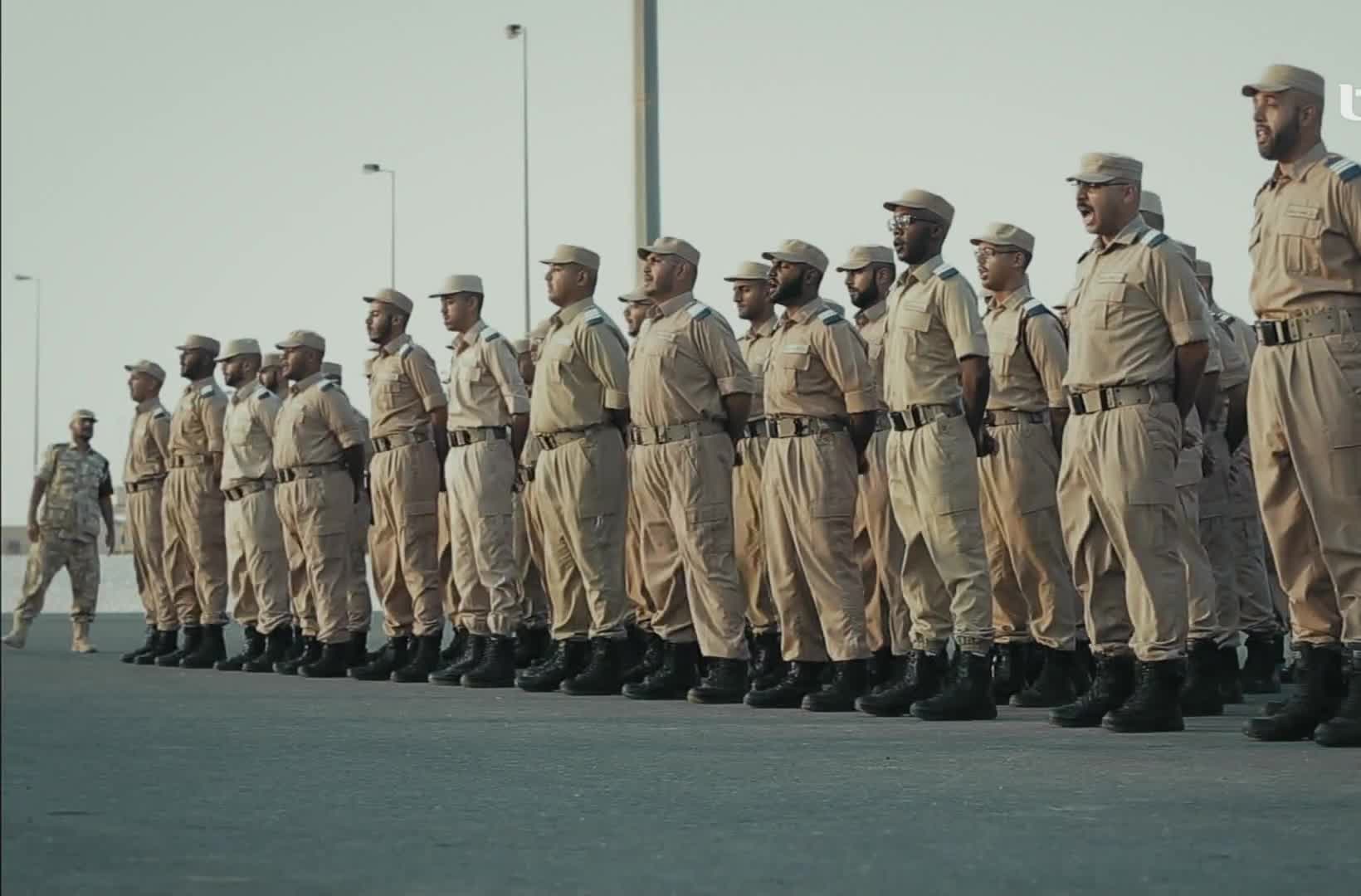
خليجالخدمة الوطنية في قطر: ما الذي تغيّر؟ وكيف تتقدّم؟
خليجقطر تفتح باب الخدمة الوطنية أمام أبناء القطريات والمقيمين المولودين في الدولة
 اقتصاد