
عاجل | أوروبا تتأرجح بين الانقسامات الداخلية مع تصاعد الحرب على إيران
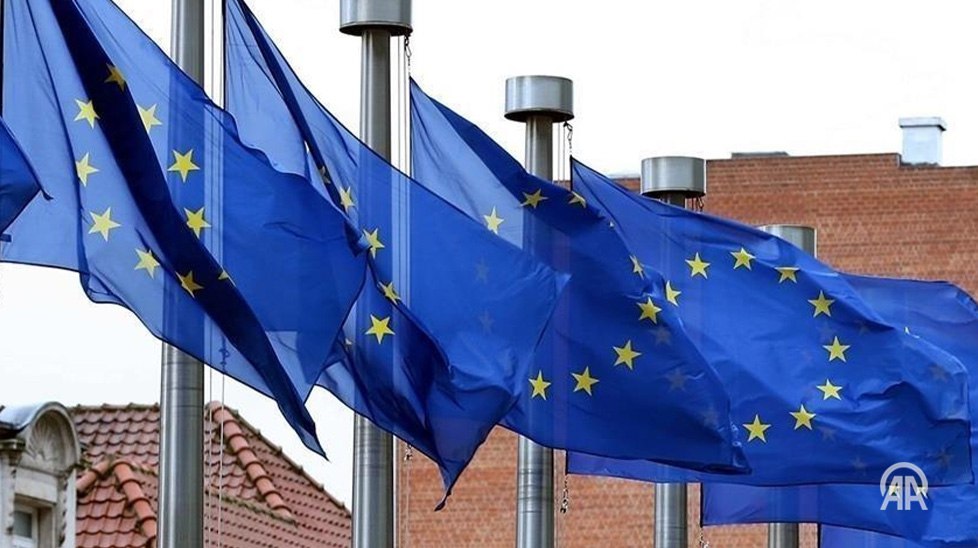
تتأرجح أوروبا بين الانقسامات الداخلية مع تصاعد الحرب على إيران، حيث تتخلف استجابة أوروبا بشكل كبير عن التحрик المباشر للولايات المتحدة وإسرائيل في الأجندة العسكرية. هذا الانقسام يظهر بشكل واضح في مواقف الدول الأوروبية تجاه التوترات المتزايدة بين إيران والولايات المتحدة، حيث يدعو الاتحاد الأوروبي إلى ضبط النفس وتجنب التصعيد العسكري.
تأتي هذه التطورات في سياق الصراع الدولي المتزايد حول إيران، حيث تشكل الأجندة العسكرية للولايات المتحدة وإسرائيل تحديًا كبيرًا للاستقرار في المنطقة. الاتحاد الأوروبي، من جانبه، يبحث عن الحفاظ على التوازن والاستقرار في المنطقة، ويدعو إلى حل سلمي للنزاعات. ومع ذلك، يبدو أن هناك انقسامًا داخل الاتحاد الأوروبي نفسه حول كيفية التعامل مع التوترات مع إيران، حيث تتبنى بعض الدول مواقف أكثر حزمًا تجاه إيران، في حين تتبنى دول أخرى مواقف أكثر تحفظًا.
تتسم الأجندة العسكرية للولايات المتحدة وإسرائيل تجاه إيران بالتحрик المباشر، حيث تهدد بضربات عسكرية إذا لم تتم مطالبها. من ناحية أخرى، يبدو أن الاتحاد الأوروبي يفضل نهجًا أكثر دبلوماسية، حيث يدعو إلى حوار وتنفيذ الاتفاقيات الدولية. هذا الاختلاف في المواقف يزيد من تعقيدات الصراع الدولي حول إيران، ويجعل من الصعب تحقيق حل سلمي وشامل.
من منظور قطري، يبدو أن هذا الصراع الدولي يثير مخاوف كبيرة حول استقرار المنطقة. قطر، كدولة تقع في المنطقة، تدرك جيدًا أهمية الحفاظ على الاستقرار والسلام في المنطقة. في هذا السياق، تدعو قطر إلى حل سلمي للنزاعات، وتعزز الجهود الدبلوماسية لتحقيق ذلك. يعتبر هذا الموقف جزءًا من التزام قطر بالمساهمة في تعزيز الاستقرار والسلام في المنطقة، وتعكس رؤيتها لضرورة العمل المشترك لتحقيق هذا الهدف.
English Version
Europe divided over Iran war escalation. EU calls for restraint as US, Israel drive military agenda.
The European Union is calling for restraint as tensions escalate between the United States, Israel, and Iran, with the EU seeking to avoid a full-blown war in the region. The division within Europe over how to approach the situation is evident, with some countries aligning themselves with the US and Israel's more aggressive stance, while others are urging caution and diplomacy. This split reflects the complex and often conflicting interests of European nations, as well as their historical relationships with the key players involved in the conflict.
The current situation is rooted in the long-standing tensions between Iran and its adversaries, including the US and Israel. The US withdrawal from the Joint Comprehensive Plan of Action, also known as the Iran nuclear deal, has been a major factor in the escalation of tensions. The EU, which was a key player in the negotiation of the deal, has been working to salvage the agreement and prevent a further escalation of the conflict. The EU's call for restraint is likely driven by a desire to avoid the devastating consequences of a war in the region, which would not only affect Iran, but also have far-reaching implications for global security and the economy.
The US and Israel have been driving a military agenda, with the US having already taken several steps to increase its military presence in the region. This has been met with resistance from Iran, which has threatened to retaliate against any attack. The situation is further complicated by the fact that European countries have significant economic and strategic interests in the region, and are likely to be affected by any conflict. The EU's call for restraint is an attempt to navigate this complex situation and find a peaceful resolution to the conflict.
المصدر
🚨 عاجل | أوروبا تتأرجح بين الانقسامات الداخلية مع تصاعد الحرب على إيران تتخلف استجابة أوروبا بشكل كبير عن التحрик المباشر للولايات المتحدة وإسرائيل في أجندة العسكرية. #أوروبا #إيران #الصراع_الدولي
المزيد من القصص
 أفريقيا
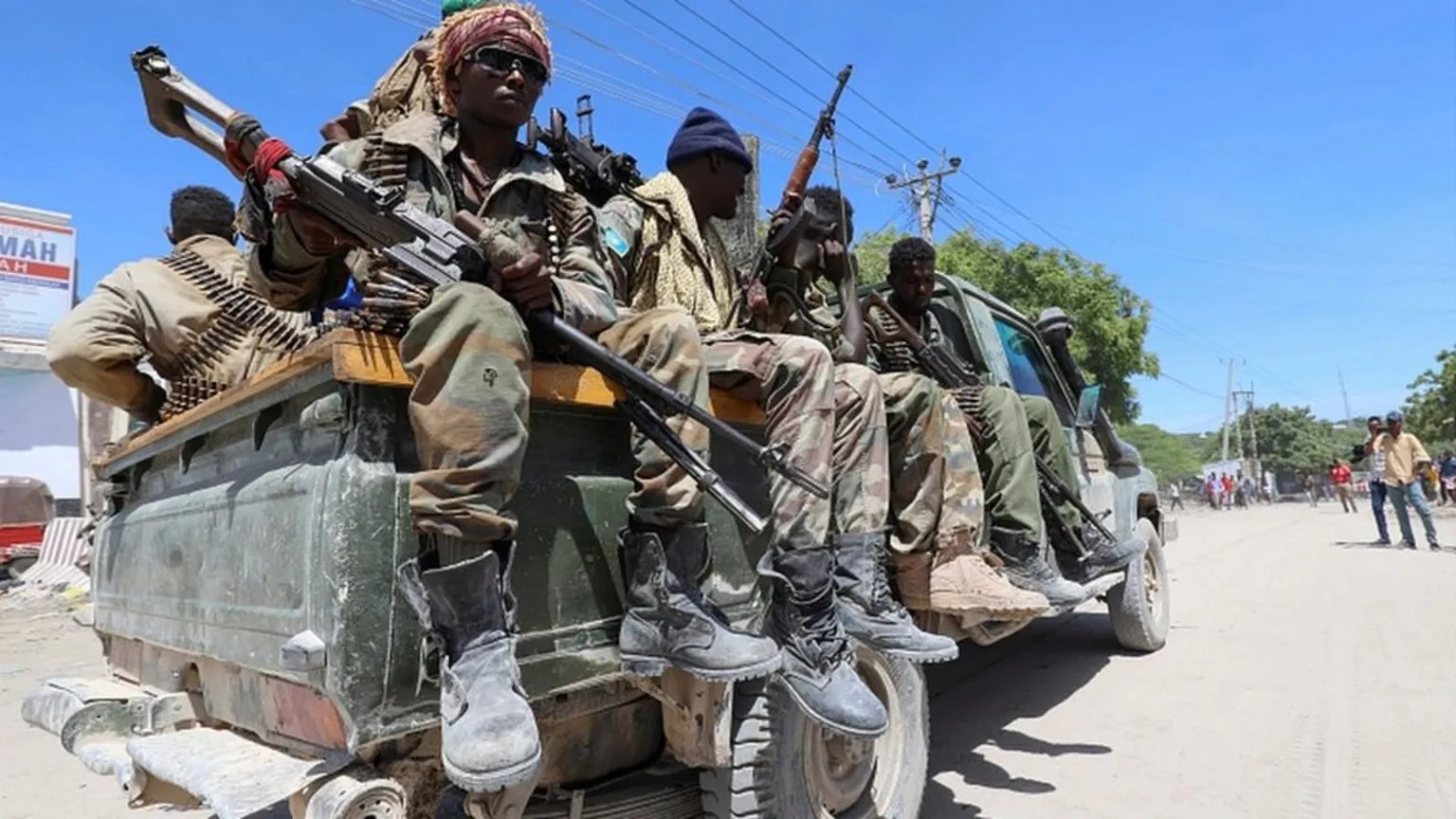
اشتباكات تهز مقديشو مع تصاعد أزمة تمديد الولاية ودفع الصومال نحو الهاوية
 energy
خريطة الغاز القطري 2024: أوروبا تتراجع والخليج وآسيا يعوضان الفجوة
 عاجل
عاجلاقتحام قوات الاحتلال مخيم قلنديا شمال القدس المحتلة، وتصاعد التوتر في المنطقة وسط مواجهات مع السكان
 خليج
خليجتصاعد التوترات في الخليج مع استهداف 75 منشأة طاقة خلال النزاعات الأخيرة
 عام
عام