
أسعار الغاز الأوروبية ترتفع للجلسة الرابعة مع تصاعد مخاطر حصار مضيق هرمز
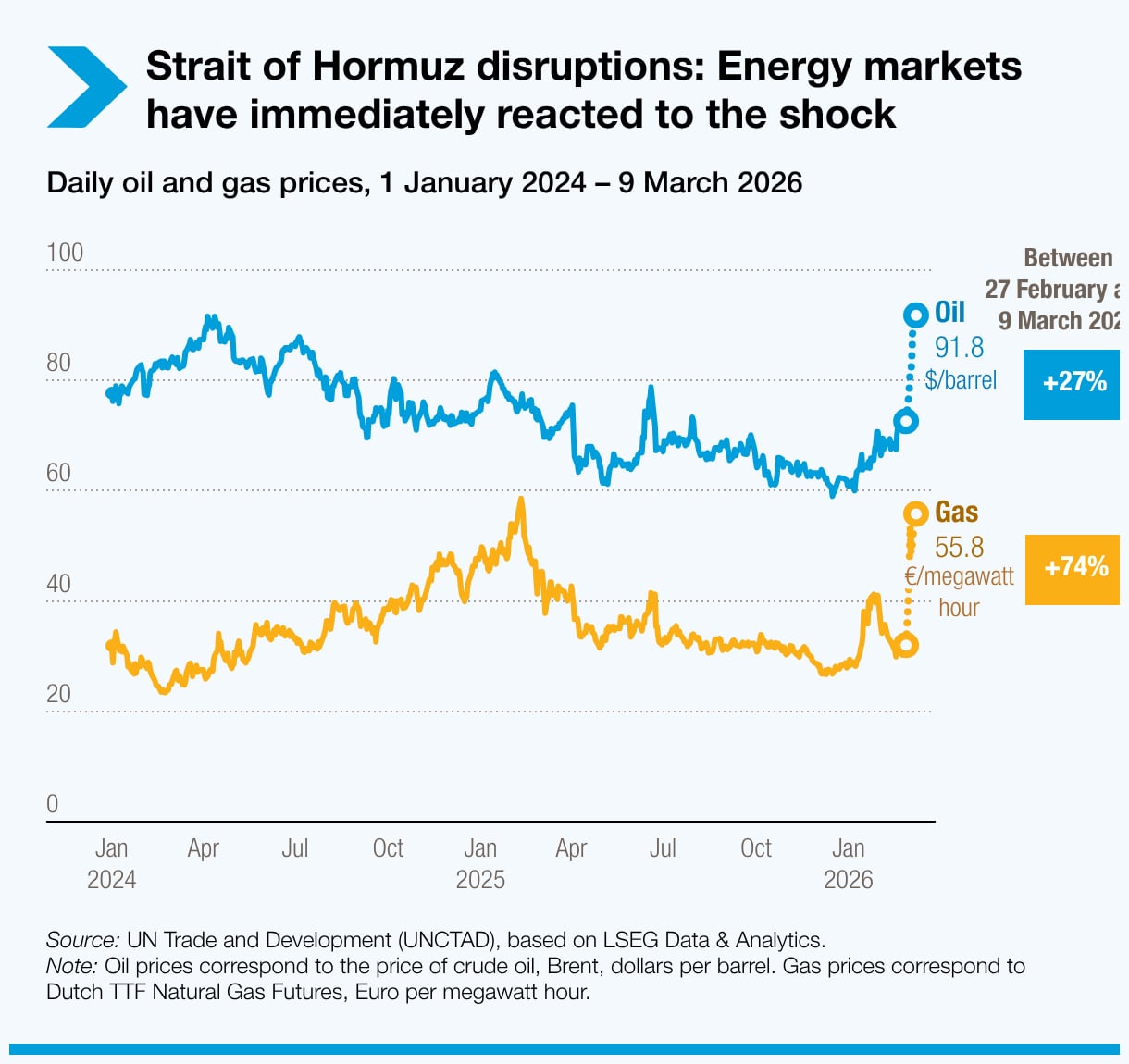
ارتفعت أسعار الغاز الطبيعي الأوروبية للجلسة الرابعة على التوالي، مع تسعير الأسواق لعلاوة مخاطر متصاعدة مرتبطة بمضيق هرمز، الممر المائي الضيق الفاصل بين إيران وعُمان، والذي يمر عبره جزء كبير من النفط الخام والغاز الطبيعي المسال المتجه إلى الأسواق العالمية. وتابع عقد "تي تي إف" الهولندي المرجعي، وهو المعيار الأساسي لتسعير الغاز في أوروبا، هذا القلق المتصاعد وسط ترقب المتداولين لاحتمال تعطّل أو حصار حركة الناقلات عبر المضيق.
يقع مضيق هرمز في قلب منظومة الإمدادات العالمية للطاقة: إذ يمر عبره سنوياً جزء كبير من النفط المنقول بحراً في العالم وقسم كبير من الغاز الطبيعي المسال، وتشكّل قطر مصدر جزء مهم من هذه الشحنات باعتبارها أكبر مصدّر للغاز المسال في العالم إلى جانب الولايات المتحدة وأستراليا. ويُشحن الغاز المستخرج من حقل الشمال القطري، الذي يمثل مصدر شبه كامل صادرات البلاد من الغاز، إلى أوروبا وآسيا عبر مضيق هرمز بشكل شبه حصري، ما يجعل أي تعطّل هناك تهديداً مباشراً لعائدات الدوحة التصديرية ولأمن الطاقة لدى الدول المستوردة التي زادت اعتمادها على الغاز القطري المسال منذ تحرك الحكومات الأوروبية لخفض واردات الغاز الروسي عبر الأنابيب بعد عام 2022.
ويصف محللون المضيق منذ فترة طويلة بأنه أكثر نقاط الاختناق حساسية في أسواق الطاقة العالمية، نظراً لغياب أي طريق بديل مماثل قادر على استيعاب أحجام الناقلات الحالية. وبالنسبة للدول المصدّرة في الخليج، يرفع التوتر المستمر حول هرمز من أهمية الحفاظ على حرية الملاحة، ومن الحاجة إلى تسريع تنويع البنية التحتية للتصدير، وإن لم يكن هناك حالياً بديل واسع النطاق قابل للتطبيق يحل محل الدور الذي يؤديه المضيق في تجارة الطاقة العالمية.
English Version
European Gas Prices Rise 4th Day as Strait of Hormuz Blockade Risks Mount
European natural gas prices rose for a fourth consecutive trading session as markets priced in an escalating risk premium tied to the Strait of Hormuz, the narrow waterway separating Iran and Oman through which a large share of the world's crude oil and liquefied natural gas passes on its way to global markets. The benchmark Dutch TTF contract, Europe's primary gas price reference, has tracked the mounting concern as traders weigh the possibility that tanker traffic through the strait could be disrupted or blockaded.
The Strait of Hormuz sits at the center of global energy logistics: a large share of the world's seaborne oil and a substantial portion of its LNG transit the passage each year, much of it originating in Qatar, the world's leading LNG exporter alongside the United States and Australia. Qatar's North Field, the source of nearly all of the country's gas exports, ships cargoes to Europe and Asia almost exclusively through Hormuz, meaning any disruption there poses a direct threat to Doha's export revenue and to the energy security of buyers that have leaned more heavily on Qatari LNG since European governments moved to cut Russian pipeline gas supplies after 2022.
Analysts have long identified the strait as the single most consequential chokepoint in global energy markets, given the lack of any comparable alternative route capable of handling current tanker volumes. For Gulf exporters, sustained tension around Hormuz raises the stakes both for safeguarding freedom of navigation and for accelerating diversification of export infrastructure, even though no viable large-scale alternative currently exists to replace the strait's role in global energy trade.
المصدر
أسعار الغاز الطبيعي الأوروبية ترتفع للجلسة الرابعة على التوالي مع تصاعد مخاطر حصار مضيق هرمز الذي يهدد إمدادات الطاقة والمسارات التجارية الحيوية للمنطقة.
المزيد من القصص
الصين تضغط على إيران للسيطرة على الحوثيين وسط انخفاض أسعار النفط
أسعار الغاز الطبيعي ترتفع إلى 92.95 دولار وسط التوترات في الخليج
ستاندرد تشارترد تحذر من ارتفاعات حادة ومتكررة في أسعار النفط
 أفريقيا
نوع من البعوض الغازي يهدد المدن الأفريقية بانتشار الأمراض
 اقتصاد