
Qatar cuts government budgets 30% as US-Iran war cripples LNG exports
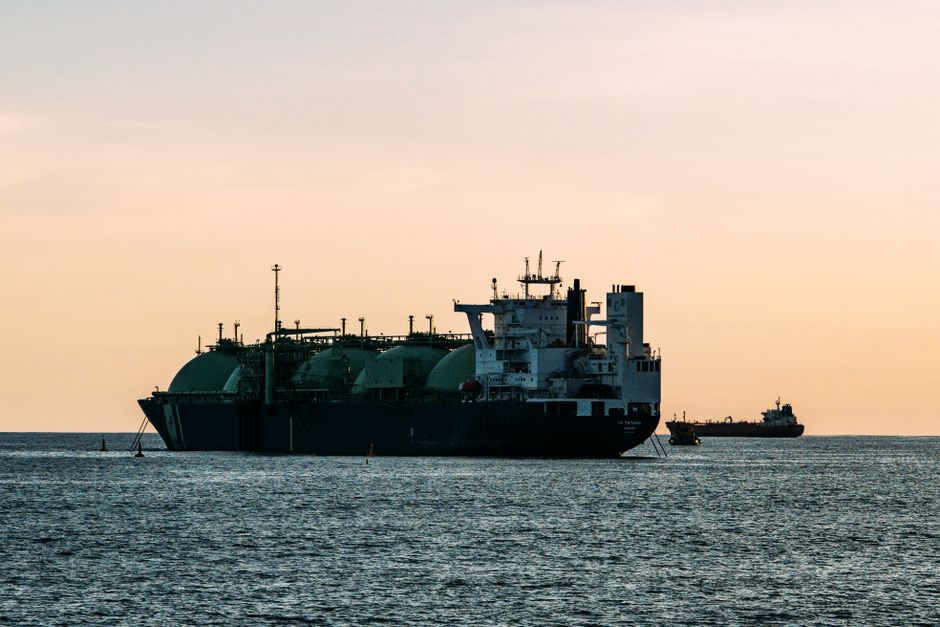
Qatar has ordered cuts of up to 30 percent to government ministry budgets after a sharp decline in liquefied natural gas production and exports from the Ras Laffan Industrial City, the country's main LNG hub, following the outbreak of the US-Iran war. The reduction, reported by Press TV, marks one of the most significant fiscal contractions in Qatar in recent years and reflects the direct exposure of the Gulf state's economy to instability generated by the conflict.
Qatar is the world's second-largest exporter of liquefied natural gas, behind only the United States, with QatarEnergy operating its LNG production and loading terminals at Ras Laffan on the country's northeastern coast. Nearly all of Qatar's gas exports transit the Strait of Hormuz, the narrow waterway separating the Gulf from the Arabian Sea that lies directly across from Iranian territory, making the route acutely sensitive to any escalation between Washington and Tehran.
A slowdown in LNG shipments through Hormuz strikes at the core of Qatar's state revenue, since hydrocarbon exports fund the bulk of the government budget and the sovereign wealth reserves that underpin Doha's economic and diplomatic influence. The budget cuts underscore how a US-Iran war extends well beyond the two belligerents, threatening the flow of energy that Gulf states and their international customers depend on. Qatar has long positioned itself as a mediator in regional crises, and a prolonged disruption to its LNG exports would tighten global gas supply while straining the finances that support that role, with ripple effects for energy security across the Gulf and among Qatar's Asian and European LNG customers.
النسخة العربية
قطر تخفض الموازنات الحكومية 30% وسط انهيار صادرات الغاز من الحرب الأمريكية على إيران
أمرت قطر بخفض موازنات الوزارات الحكومية بنسبة تصل إلى 30% في أعقاب تراجع حاد في إنتاج وتصدير الغاز الطبيعي المسال من منطقة رأس لفان الصناعية، المركز الرئيسي للغاز المسال في البلاد، إثر اندلاع الحرب الأمريكية على إيران. ويمثل هذا الخفض، الذي أوردته قناة برس تي في، أحد أبرز الانكماشات المالية التي تشهدها قطر في السنوات الأخيرة، ويعكس مدى تأثر اقتصاد الدولة الخليجية المباشر بحالة عدم الاستقرار الناجمة عن الحرب.
وتُعد قطر ثاني أكبر مُصدّر للغاز الطبيعي المسال في العالم بعد الولايات المتحدة، حيث تدير مؤسسة قطر للطاقة منشآت إنتاج وتحميل الغاز المسال في رأس لفان الواقعة على الساحل الشمالي الشرقي للبلاد. وتمر جل صادرات قطر من الغاز عبر مضيق هرمز، الممر المائي الضيق الذي يفصل الخليج عن بحر العرب ويقع مباشرة مقابل الأراضي الإيرانية، ما يجعل هذا الممر شديد الحساسية لأي تصعيد بين واشنطن وطهران.
ويمس أي تباطؤ في شحنات الغاز المسال عبر مضيق هرمز صميم الإيرادات الحكومية القطرية، إذ تموّل صادرات الهيدروكربونات الجزء الأكبر من الموازنة العامة والاحتياطيات السيادية التي تستند إليها الدوحة في نفوذها الاقتصادي والدبلوماسي. وتكشف هذه التخفيضات في الموازنة كيف تمتد تداعيات الحرب الأمريكية على إيران إلى ما هو أبعد من الطرفين المتحاربين، إذ تهدد تدفق الطاقة الذي تعتمد عليه دول الخليج وشركاؤها الدوليون. وقد رسّخت قطر لنفسها منذ سنوات دوراً وسيطاً في أزمات المنطقة، وأي اضطراب مطوّل في صادراتها من الغاز المسال من شأنه أن يشدد إمدادات الغاز عالمياً ويضغط على الموارد المالية التي تدعم هذا الدور، بما يحمل تداعيات على أمن الطاقة في الخليج وعلى زبائن قطر من الغاز المسال في آسيا وأوروبا.
Source tweet
Qatar cuts state budgets by up to 30% amid deep reduction in LNG production and exports from Ras Laffan caused by US-Iran conflict. A direct economic impact on Gulf energy security.
More Stories
 Gulf
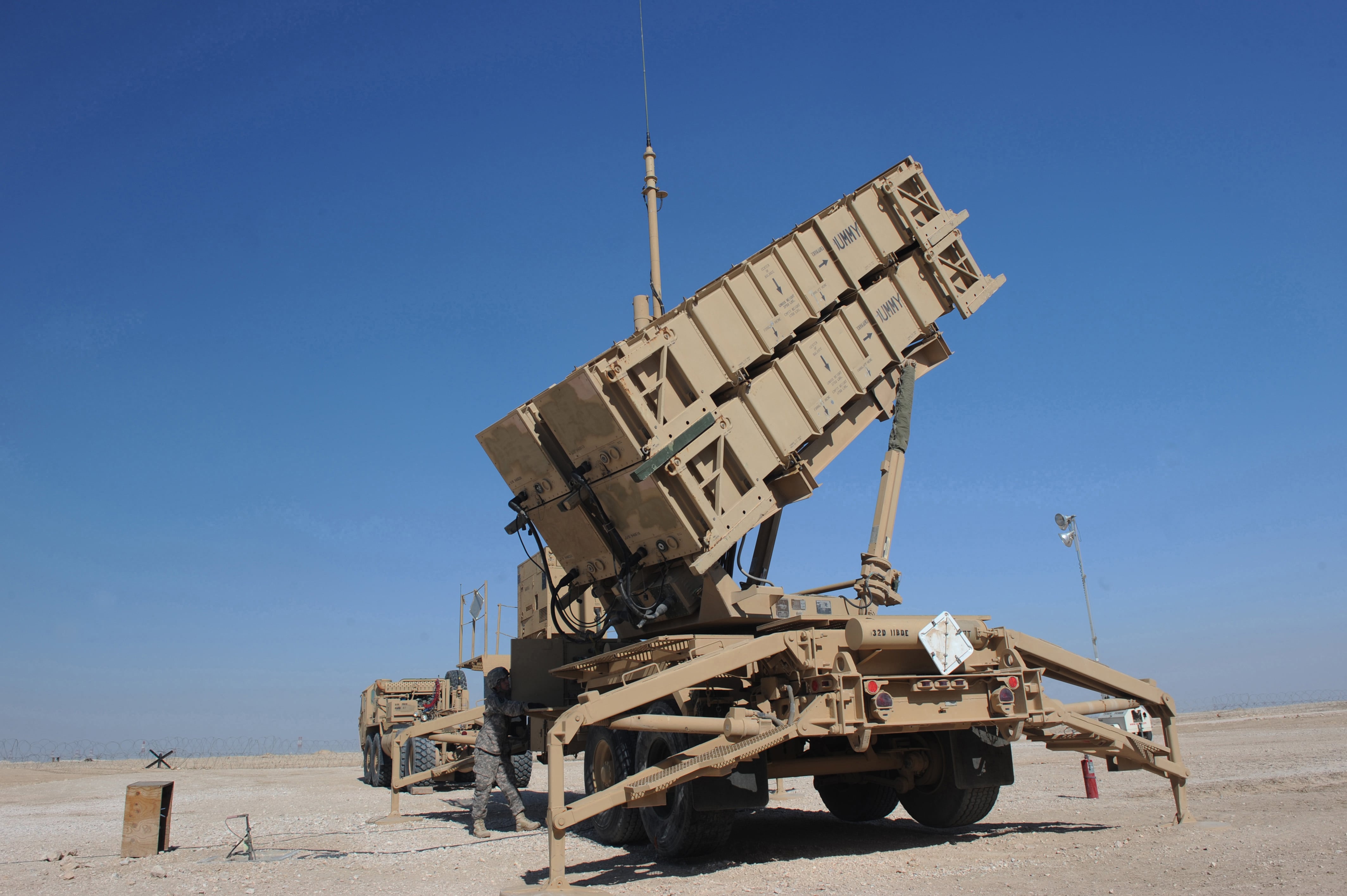
GulfUnited States deploys two additional Patriot missile systems to Saudi Arabia and Qatar
 Gulf
GulfQatar Completes Virtuocity Battle Ground 2026, Drawing Record Esports Participation
 General
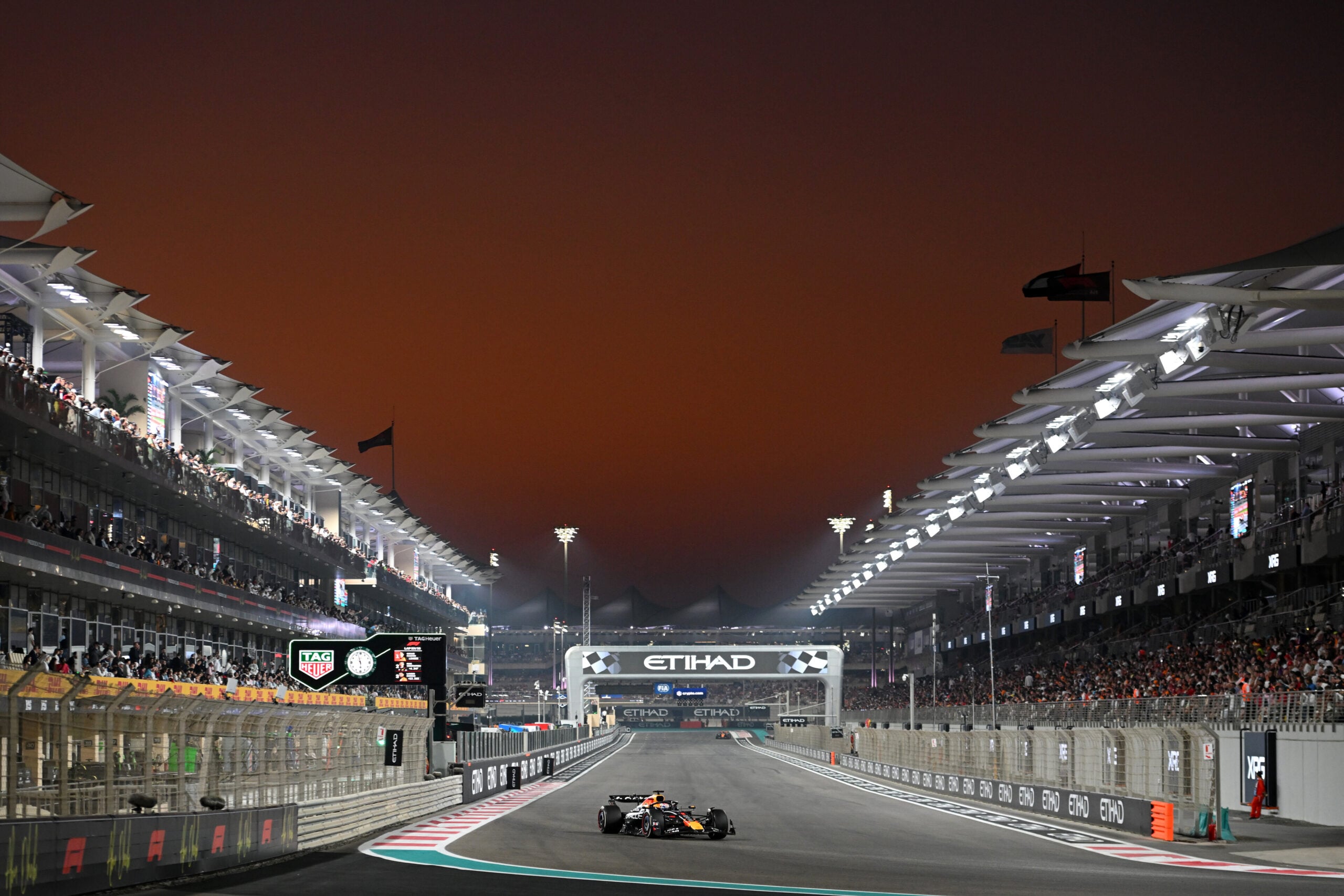
Hamilton backs Qatar and Abu Dhabi as 2026 F1 season finale; Verstappen cites safety
 Diplomacy
India's FM Sitharaman to Visit Qatar for Investment Treaty Talks
 Gulf
Gulf