

هل يتفكّك الصومال إلى ثلاث؟ داخل التنافس الأجنبي على القرن الأفريقي
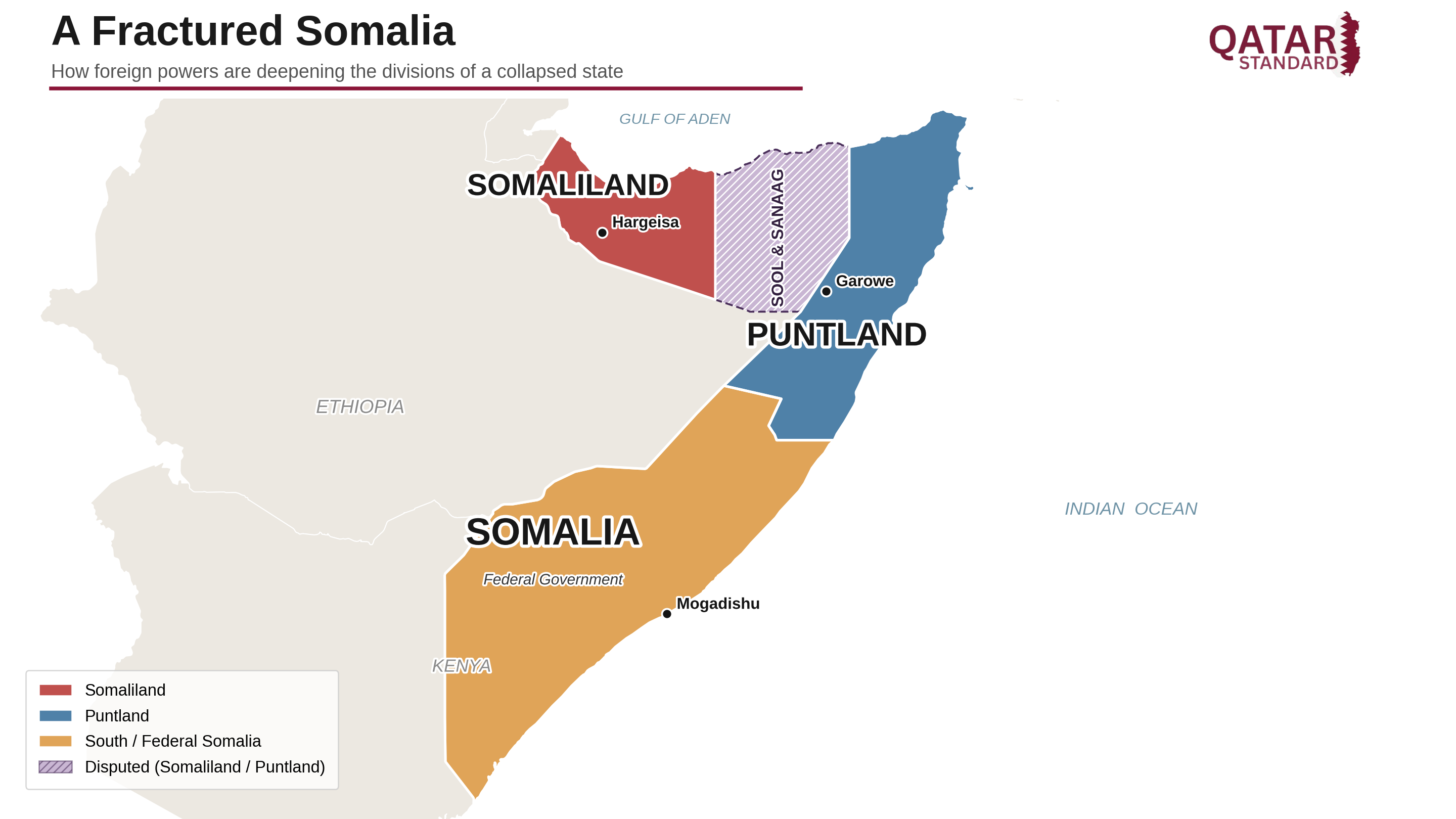
بعد أكثر من ثلاثة عقود على انهيار حكومة سياد بري عام 1991، لم يعد الصومال دولة واحدة بقدر ما هو فسيفساء من السلطات المتنافسة — وثمّة قائمة متنامية من القوى الأجنبية تسهم في إبقائه على هذا الحال. فالسلطة اليوم موزّعة بين ثلاثة مراكز رئيسية: الحكومة الاتحادية المعترف بها دوليًا في مقديشو، وإقليم بونتلاند المتمتّع بالحكم الذاتي في الشمال الشرقي، وجمهورية أرض الصومال المعلنة من جانب واحد في الشمال الغربي. ويحكم كلٌّ منها إقليمه وقواته الأمنية، وبات كلٌّ منها موطئ قدم لراعٍ خارجي.
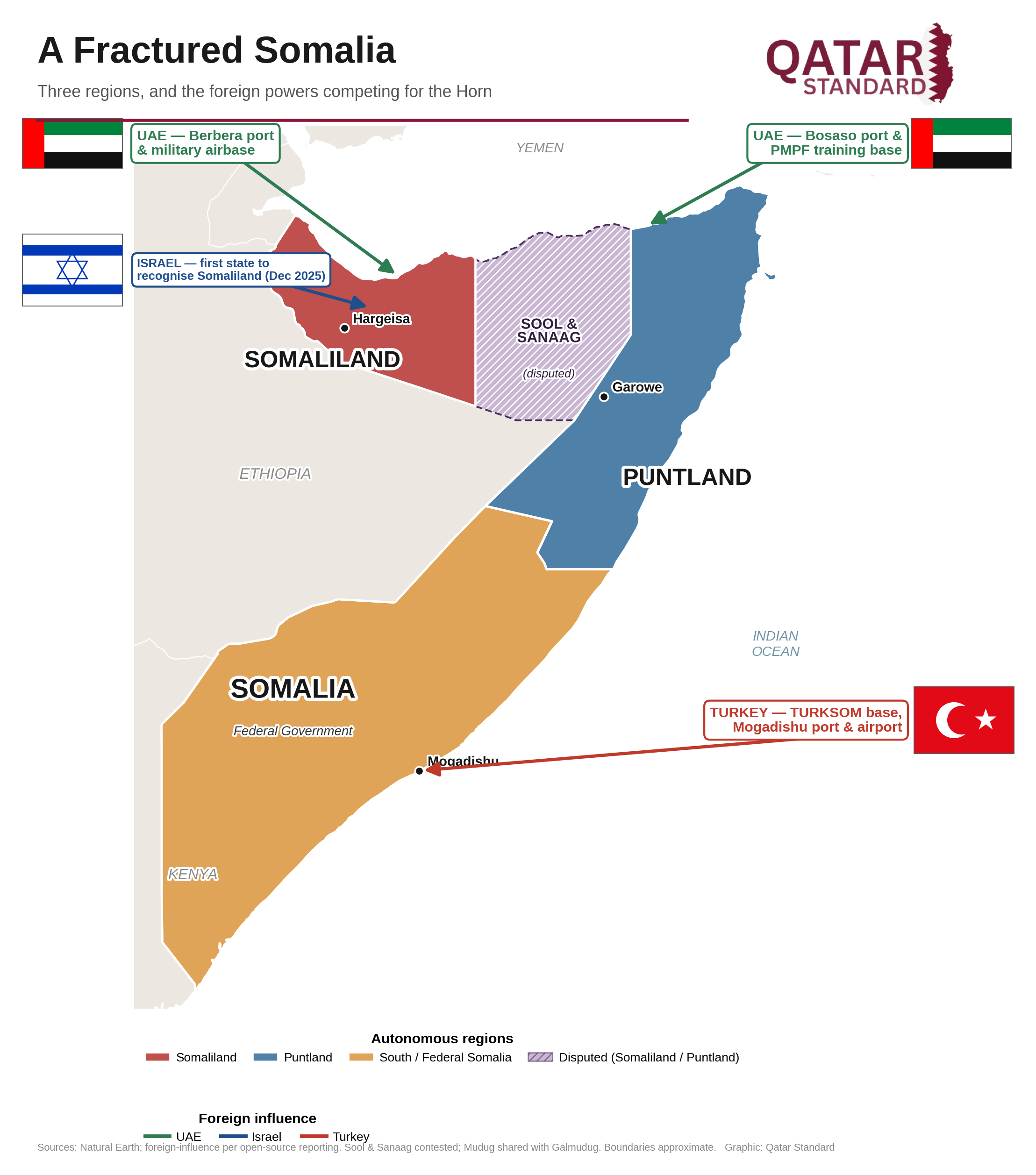
وبلغ هذا التنافس عتبة جديدة في أواخر عام 2025، حين أصبحت إسرائيل أول دولة في العالم تعترف رسميًا بأرض الصومال دولةً مستقلة — في صفقة متبادلة وسّعت العلاقات الدبلوماسية وحطّمت إجماعًا دوليًا دام 34 عامًا رفض شرعنة انفصال الإقليم. وقد قوبلت الخطوة بإدانة واسعة في العالمين العربي والإسلامي بوصفها انتهاكًا للسيادة الصومالية، وسابقة قد تشجّع النزعات الانفصالية في أماكن أخرى من المنطقة.
وما إسرائيل إلا المثال الأبرز على نمطٍ أوسع.
القوى الخارجية
كانت الإمارات العربية المتحدة الأكثر نشاطًا خليجيًا في شمال الصومال. ففي أرض الصومال تملك امتيازًا طويل الأمد لميناء بربرة الاستراتيجي الذي طوّرته "موانئ دبي العالمية"، إلى جانب وجود عسكري؛ وفي بونتلاند أدارت ميناء بوصاصو ودرّبت قوات الشرطة البحرية. وبتعاملها المباشر مع الأقاليم الانفصالية والمتمتّعة بالحكم الذاتي — وكثيرًا من فوق رأس مقديشو — قوّضت أبوظبي مرارًا الحكومة المركزية وكافأت التشظّي بالمال والبنية التحتية.
أمّا تركيا فبنت أعمق حضور في العاصمة، إذ تُشغّل قاعدة تُركسوم، أكبر قواعدها العسكرية في الخارج، وتدير ميناء مقديشو ومطارها، ووقّعت اتفاقات دفاعية وطاقية مع الحكومة الاتحادية. وتقدّم أنقرة نفسها شريكًا للدولة المركزية — لكنّ حضورها الواسع يبقى مثالًا آخر على أن مستقبل الصومال يُرسَم في عواصم أجنبية لا على أيدي الصوماليين أنفسهم.
القلب المتنازَع عليه
بين أرض الصومال وبونتلاند تقع منطقة سول وسناج المتنازَع عليها التي يطالب بها الطرفان وتشهد اشتباكات متكرّرة كان آخرها حول لاس عانود. وهي تذكير بأن صدوع الصومال ليست شمالًا في مواجهة جنوب فحسب، بل متراكبة ومحلّية وسهلة الاشتعال حين يتدفّق المال والسلاح من الخارج.
موقف الدوحة
اتّخذت قطر موقفًا ثابتًا طوال اضطرابات الصومال: سيادة البلاد ووحدتها وسلامة أراضيها ليست أوراقًا للمساومة، وأن الاستقرار الدائم لا يتحقّق إلا عبر عملية سياسية جامعة يقودها الصوماليون — لا عبر قوى أجنبية تختار الرابحين. وقد رفضت الدوحة الاعتراف بأرض الصومال وحذّرت من التدخّل الخارجي الذي يعمّق الانقسام. والمبدأ بسيط: الصوماليون، لا العواصم الأجنبية، هم من ينبغي أن يقرّروا مستقبل الصومال.
بالنسبة للقوى المعنية، الجائزة جغرافية — السيطرة على الموانئ والقواعد المطلّة على مضيق باب المندب الذي يمرّ عبره جزء كبير من التجارة العالمية. أمّا بالنسبة للصوماليين، فالخطر أن تجعل كل صفقة أجنبية حلم الدولة الموحّدة أبعد منالًا.
English Version
Is Somalia Breaking Into Three? Inside the Foreign Scramble for the Horn
More than three decades after the collapse of Siad Barre's government in 1991, Somalia is less a single state than a patchwork of competing authorities — and a growing list of foreign powers is helping to keep it that way. Power today is divided between three principal centres: the internationally recognised Federal Government in Mogadishu, the autonomous region of Puntland in the northeast, and the self-declared republic of Somaliland in the northwest. Each governs its own territory and security forces, and each has become a foothold for an outside patron.
That competition reached a new threshold at the end of 2025, when Israel became the first country in the world to formally recognise Somaliland as an independent state — a reciprocal deal expanding diplomatic ties that shattered a 34-year international consensus against legitimising the territory's secession. The move was condemned across the Arab and Muslim world as a violation of Somali sovereignty, and as a precedent that could encourage separatism elsewhere in the region.
Israel is only the most striking example of a wider pattern.
المصدر
إسرائيل تعترف بأرض الصومال، والإمارات تغازل الأقاليم الانفصالية. قوى أجنبية تعمّق تشظّي الصومال — بينما ترى الدوحة أن القرار يجب أن يكون للصوماليين وحدهم، بلا تدخّل خارجي. خريطتنا توضّح الصورة.
المزيد من القصص
 تركيا
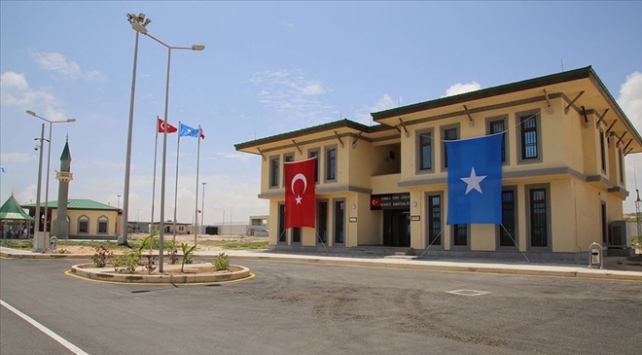
تركياتركيا بنت جيش الصومال... والآن طائراتها المسيّرة متهمة باستهداف خصم سياسي
 أفريقيا
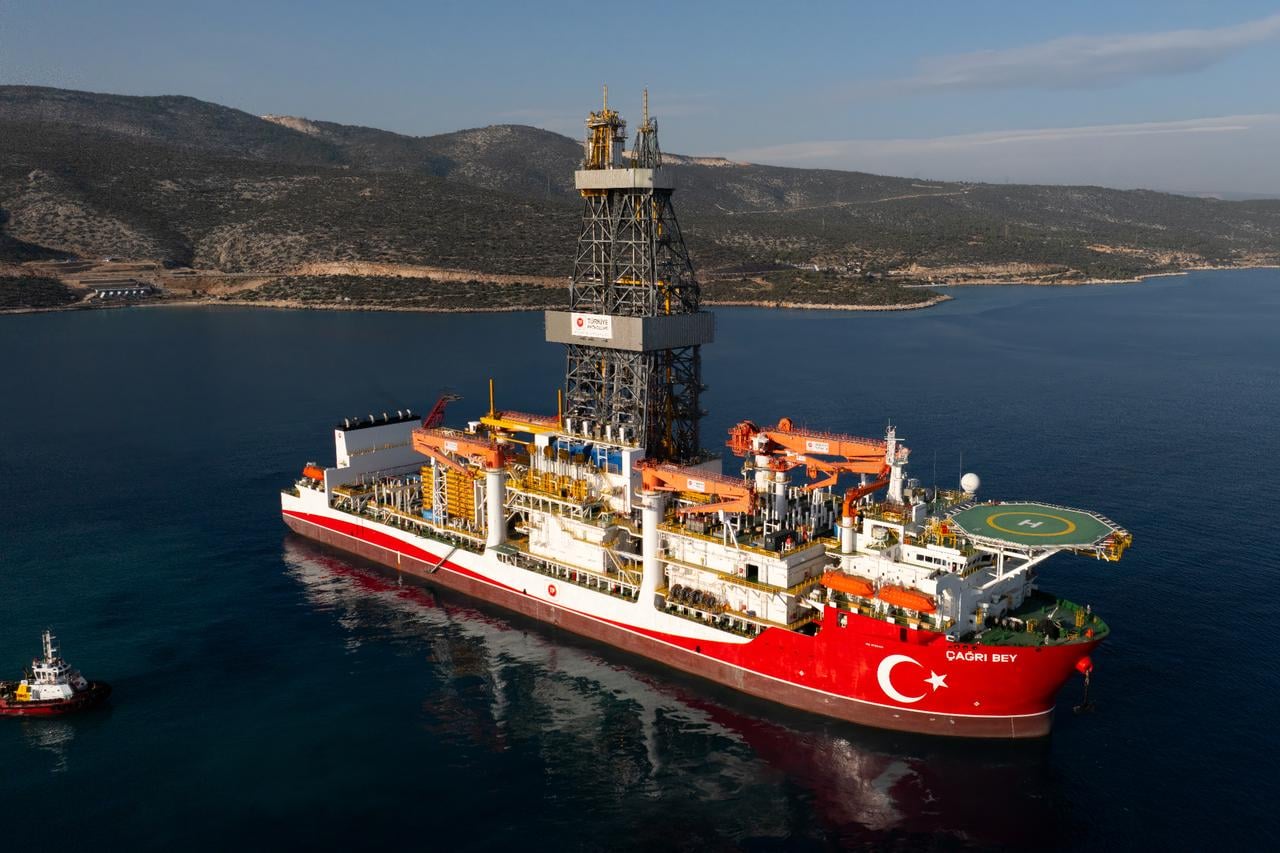
تركيا توسّع قبضتها على الصومال: النفط ومصايد الأسماك والقوة العسكرية
 عام
عامحاكم أمريكي يسمح لترامب بإنهاء حماية الصوماليين من الترحيل
 أفريقيا
قوات بونتلاند تسيطر على معسكر فيدرالي في غالكايو وسط تعمق أزمة الشرعية في الصومال
 أفريقيا