

Iran prolongs conflict

The ongoing conflict involving Iran is set to be a prolonged one, with the country's actions and decisions ultimately determining the war's duration. The war, which was initiated by former US President Donald Trump, has been ongoing for several years, with no clear end in sight. A recent attempt by a tanker to sail to an Iranian port, which was thwarted by the USS Rafael Peralta enforcing a blockade of the Strait of Hormuz, is a testament to the continued tensions in the region.
The context of the conflict is complex and multifaceted, with historical, political, and economic factors all playing a role. The US withdrawal from the Joint Comprehensive Plan of Action, also known as the Iran nuclear deal, marked a significant turning point in the escalation of tensions between the two countries. Since then, there have been numerous incidents and skirmishes, including the blockade of the Strait of Hormuz, which has significant implications for global trade and energy security. The fact that it took the United States 12 years to withdraw from Afghanistan serves as a reminder that conflicts in the region can be long and drawn out, with far-reaching consequences.
The significance of the conflict cannot be overstated, with potential implications for regional and global stability. The Middle East is a critical region for energy production and trade, and any disruption to the flow of oil and gas can have significant economic and political consequences. The conflict also has the potential to draw in other countries, either directly or indirectly, which could further escalate tensions and lead to a wider conflict. The fact that the USS Rafael Peralta was involved in enforcing the blockade is a testament to the US commitment to maintaining its presence in the region and protecting its interests.
From a Qatar and Gulf perspective, the conflict is of particular concern, given the region's proximity to Iran and its critical role in global energy trade. The blockade of the Strait of Hormuz, for example, has significant implications for Qatar's own energy exports, as well as its trade relationships with other countries in the region. The Gulf Cooperation Council, which includes Qatar, has been working to promote regional stability and security, and the ongoing conflict in Iran is a significant challenge to these efforts. As the conflict continues to unfold, it is likely that Qatar and other Gulf countries will be closely watching developments and working to protect their own interests and stability in the region.
النسخة العربية
إيران تمديد النزاع
حرب إيران المستمرة تظهر أن النزاع في المنطقة لن ينتهي قريبا، حيث يبدو أن إيران سوف تُحدد متى ستنتهي هذه الحرب التي بدأها دونالد ترامب. هذا النزاع الذي بدأ منذ 12 عاما يظهر أن الولايات المتحدة وإيران لا تزالان في حالة صراع مستمر، حيث تفرض الولايات المتحدة حصارا على مضيق هرمز، وهو ممر مائي استراتيجي يربط الخليج العربي بالبحر العربي.
السياق والأهمية لهذا النزاع يعود إلى تاريخ طويل من التوترات بين الولايات المتحدة وإيران، التي بدأت بعد الثورة الإيرانية في عام 1979. منذ ذلك الحين، تعرضت العلاقات بين البلدين لتحولات كثيرة، ولكنها لم تصل إلى حل دائم. النزاع الحالي يظهر أن إيران ترفض الاستسلام لضغوط الولايات المتحدة، وتسعى لتحقيق مصالحها الوطنية، في حين أن الولايات المتحدة ترفض التخلي عن سياستها تجاه إيران.
وفقا لمصادر أمريكية، فإن الغواصة الأمريكية "USS Rafael Peralta" قامت بفرض الحصار على مضيق هرمز هذا الأسبوع، بعد محاولة ناقلة نفط للوصول إلى ميناء إيراني. هذا الإجراء يظهر أن الولايات المتحدة لا تزال تفرض سيطرتها على المنطقة، في حين أن إيران ترفض الاستسلام لهذه الضغوط. يبدو أن هذا النزاع سوف يستمر لمدة طويلة، حيث أن كلا البلدين يرفضان التخلي عن مواقفهما.
Source tweet
Iran's prolonged war 🇮🇷
More Stories
 Economy
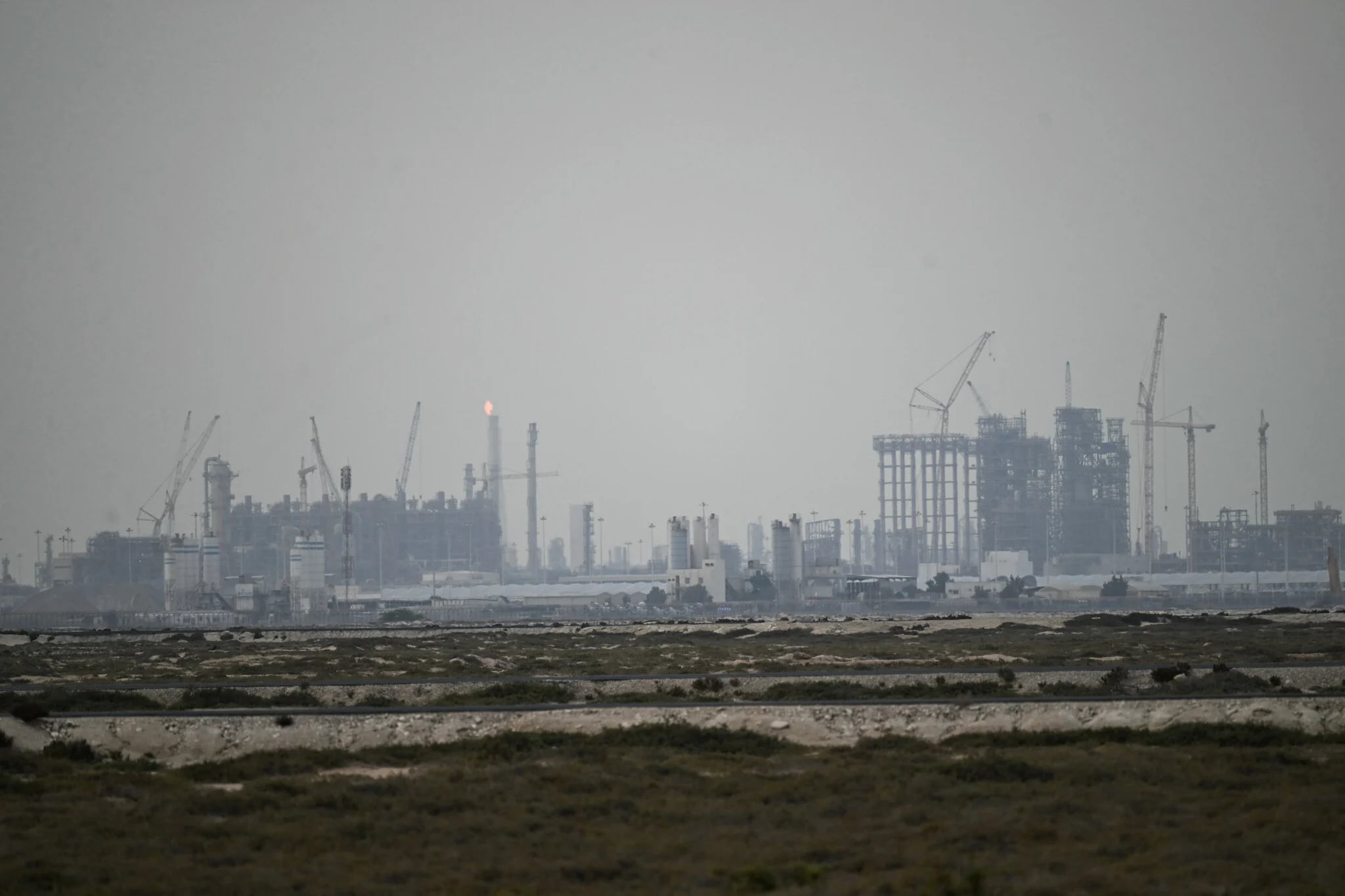
Qatar's Ras Laffan helium facility offline after Iranian strikes, threatens global supply
 Iran
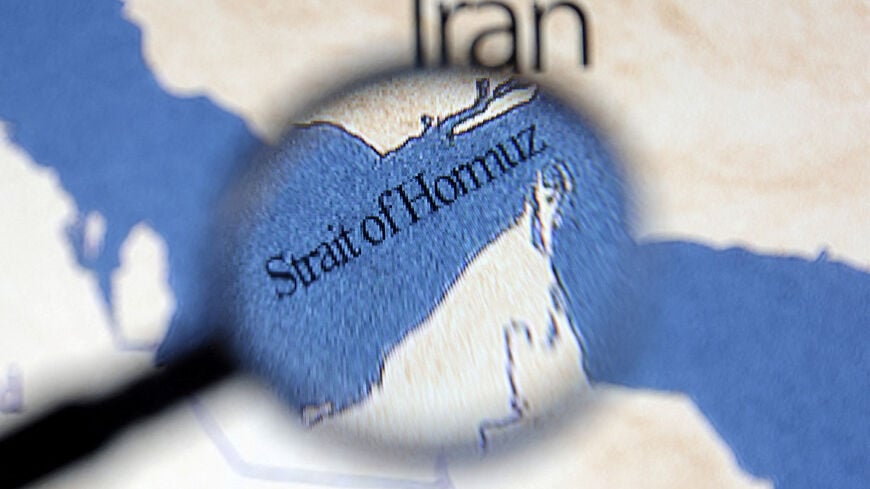
IranIranian Revolutionary Guard Warns Enemy of Consequences Over Strait Closure
 Iran
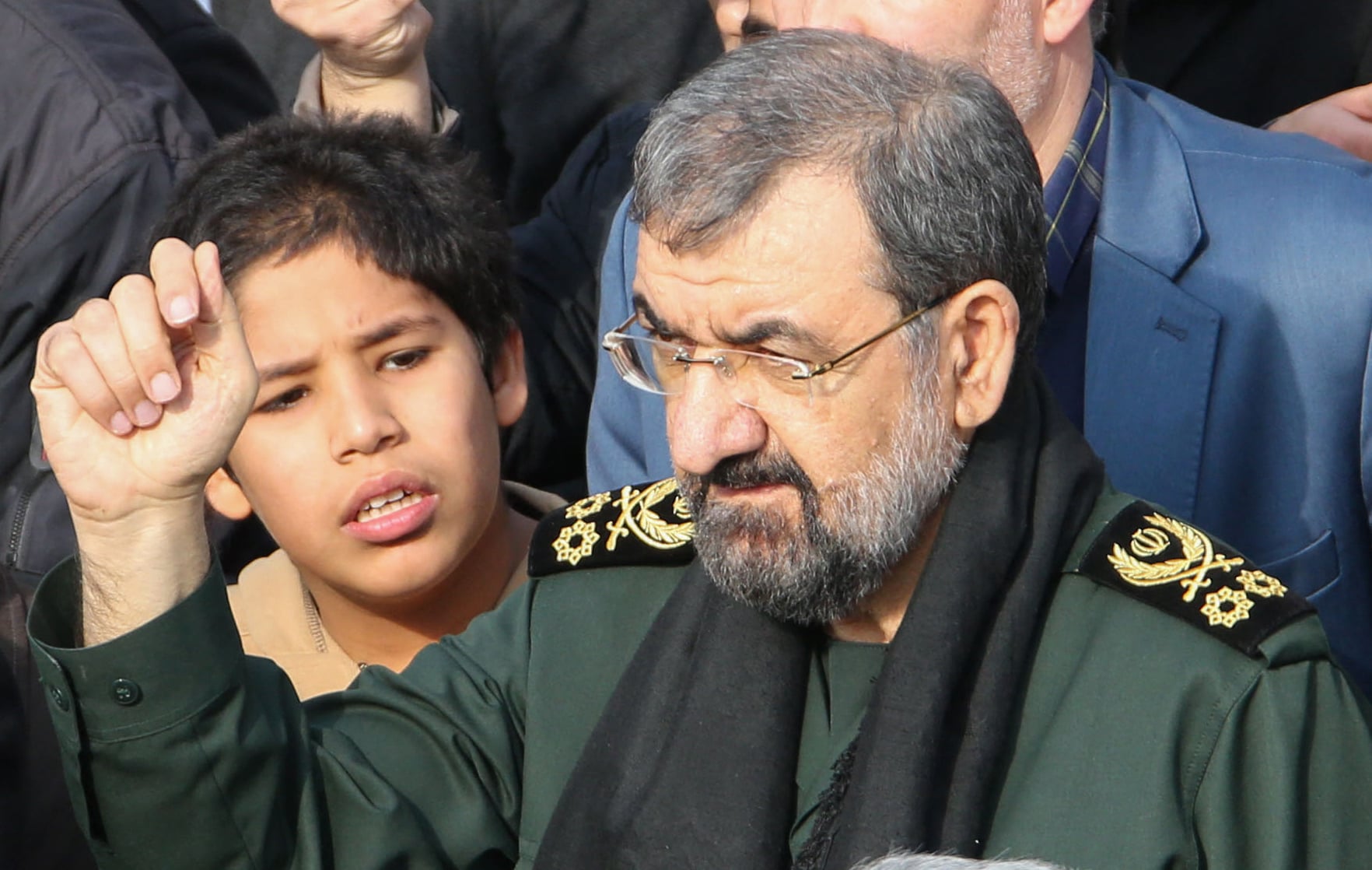
IranIranian Advisor Mohsen Rezaei Blames Washington for Stalled Tehran Talks
 Africa
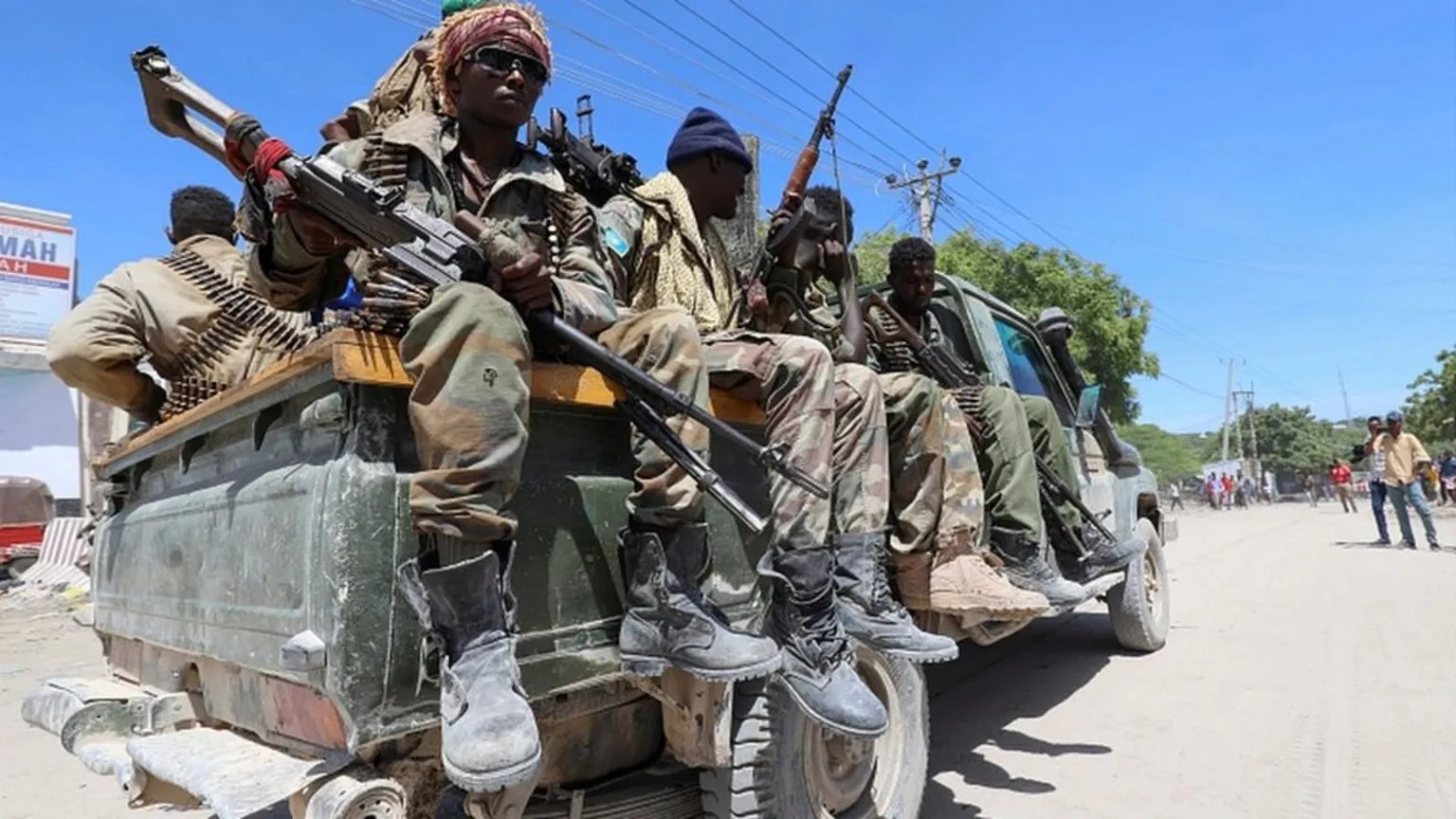
Clashes Rock Mogadishu as Term-Extension Crisis Pushes Somalia Toward the Brink
 Gulf
Gulf