

المسؤول بمكتب الرئيس الإيراني مهدي طباطبائي: رسالة بزشكيان واضحة؛ إذا لم تتعاون دول المنطقة في الهجوم الأمريكي علينا، فل

حذر مسؤول في مكتب الرئيس الإيراني، مهدي طباطبائي، من أن إيران ستتخذ إجراءات انتقامية إذا لم تتعاون دول المنطقة في مواجهة ما وصفه بالعدوان الأمريكي. تأتي هذه التصريحات في ظل تصاعد التوترات بين إيران والولايات المتحدة، حيث تسعى طهران إلى حشد دعم إقليمي لمواجهة الضغوط الأمريكية المتزايدة.
تعتبر هذه التصريحات جزءاً من الجهود الإيرانية المستمرة لتعزيز تحالفاتها الإقليمية. وقد أشار طباطبائي إلى أن الرسالة التي وجهها بزشكيان، وهو شخصية بارزة في السياسة الإيرانية، تحمل وضوحاً تاماً بشأن ضرورة التعاون الإقليمي. ويبدو أن إيران تسعى من خلال هذه الرسائل إلى تحذير الدول المجاورة من مغبة الوقوف إلى جانب الولايات المتحدة في أي تصعيد محتمل.
تأتي هذه التطورات في وقت تشهد فيه المنطقة توترات متزايدة، خاصة بعد انسحاب الولايات المتحدة من الاتفاق النووي مع إيران في عام 2018 وفرضها عقوبات اقتصادية مشددة. وقد أدت هذه العقوبات إلى تفاقم الأزمة الاقتصادية في إيران، مما دفعها إلى البحث عن دعم من دول الجوار للحد من تأثير هذه الضغوط.
من منظور قطري، تعتبر هذه التحذيرات الإيرانية جزءاً من المشهد السياسي المعقد في المنطقة، حيث تسعى الدول إلى تحقيق توازن بين القوى الكبرى. قطر، التي تتمتع بعلاقات جيدة مع كل من الولايات المتحدة وإيران، قد تجد نفسها في موقف حساس يتطلب منها إدارة علاقاتها بحذر لتجنب الانزلاق في أي صراع إقليمي محتمل. في هذا السياق، قد تلعب قطر دوراً مهماً في التوسط بين الأطراف المتنازعة لتعزيز الاستقرار في المنطقة.
English Version
Iranian official warns of retaliation if regional countries do not unite against US aggression.
An Iranian official has issued a warning that regional countries must unite against perceived U.S. aggression or face retaliation, highlighting the rising tensions in the Middle East. Mahdi Tabatabai, a prominent figure in Iran's political landscape, emphasized that failure to cooperate among nations in the region could result in attacks directed at those who do not align with Iran's stance against the United States.
This warning comes at a time when geopolitical dynamics in the Middle East are increasingly complex, with various nations navigating their relationships with both the U.S. and Iran. The Iranian leadership has long viewed U.S. military presence and influence in the region as a direct threat to its sovereignty and security. Tabatabai's remarks reflect a broader sentiment within Iran that advocates for solidarity among regional powers to counteract what they perceive as U.S. imperialism.
This call for unity is significant as it highlights Iran's strategy of leveraging regional alliances to bolster its position against external pressures. The Iranian government has often sought to rally support from neighboring countries, particularly those that share its grievances against U.S. policies. The potential for retaliatory actions could escalate tensions further, especially if Iran perceives that its interests are being undermined by the actions of its neighbors or by U.S. influence.
المصدر
المسؤول بمكتب الرئيس الإيراني مهدي طباطبائي: رسالة بزشكيان واضحة؛ إذا لم تتعاون دول المنطقة في الهجوم الأمريكي علينا، فل
المزيد من القصص
 إيران
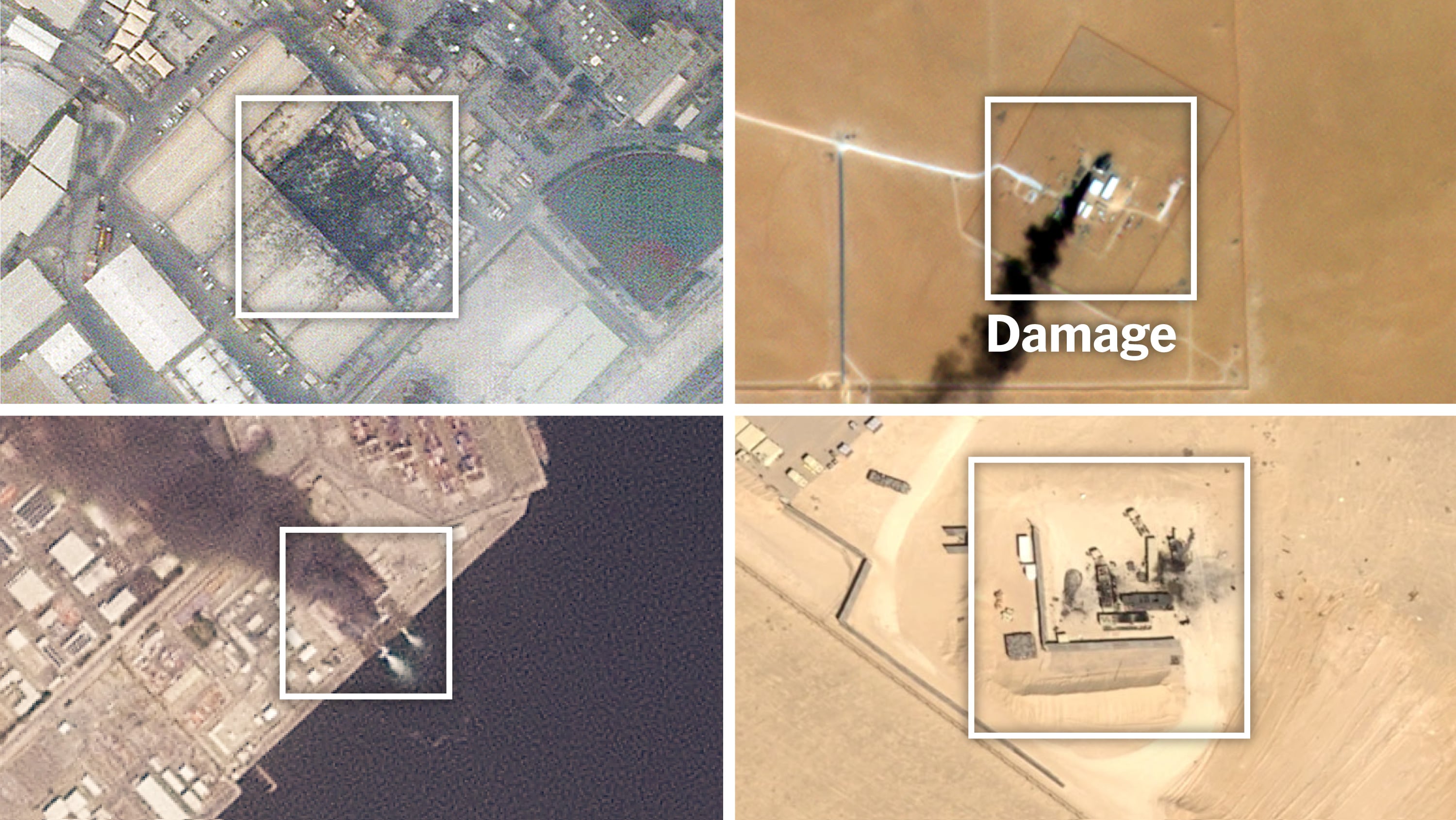
إيرانالبنتاغون: 184 مليون دولار خسائر من الضربات الإيرانية على منشآت أمريكية
 إيران
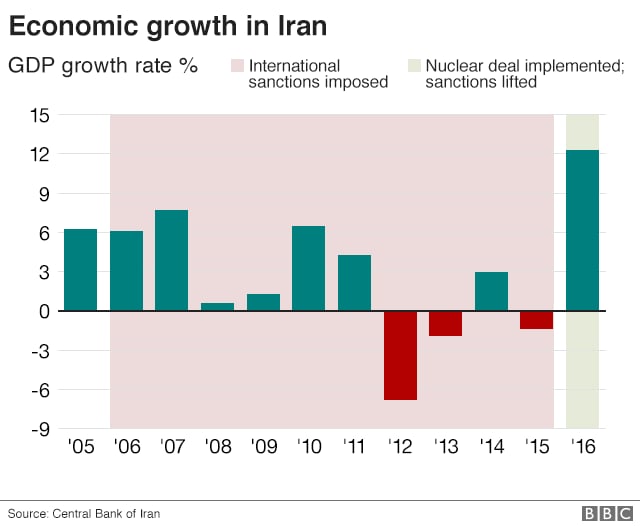
إيرانالحرب والعقوبات الأمريكية تضغط على الاقتصاد الإيراني
 دبلوماسية
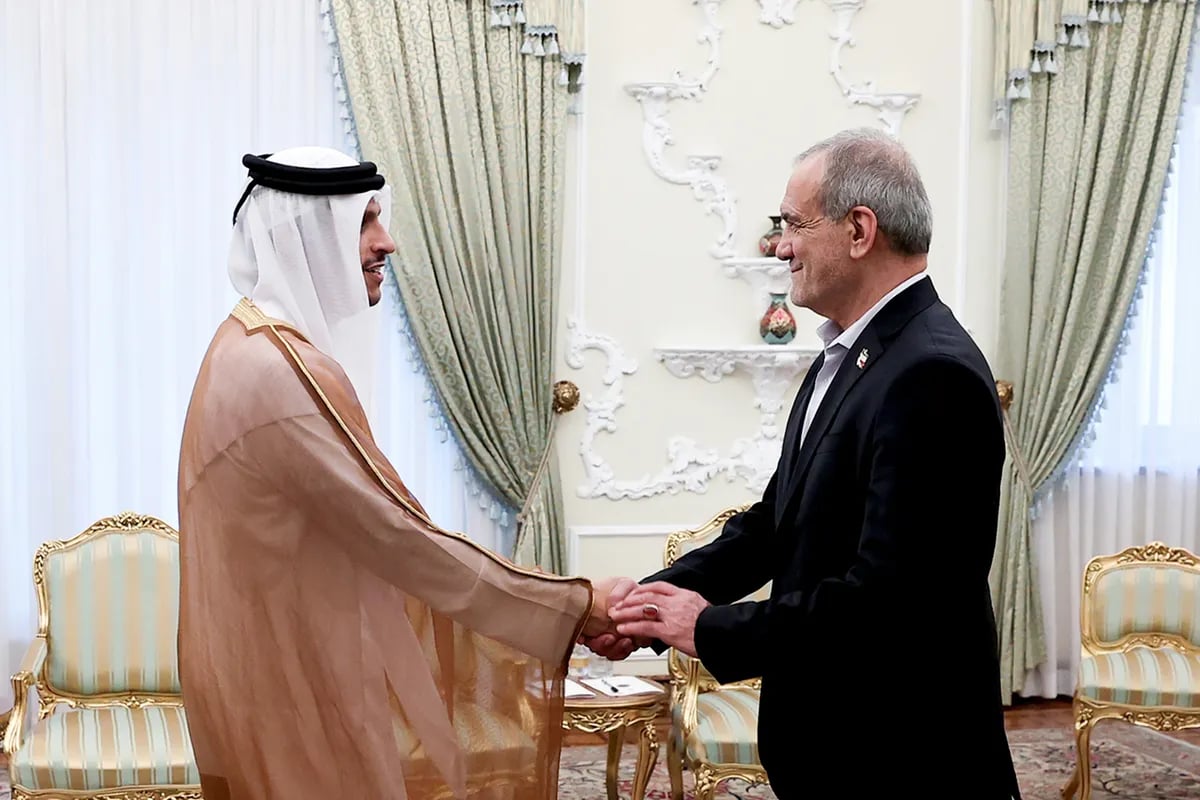
قطر تتعهد بدعم اقتصادي لتخفيف معاناة الشعب الإيراني
 اقتصاد
رئيس منتدى الدول المصدرة للغاز: قطر تضع مثالاً عالمياً في القيادة الطاقوية المسؤولة
 اقتصاد