

US Sanctions and Regional Conflict Intensify Economic Crisis in Iran
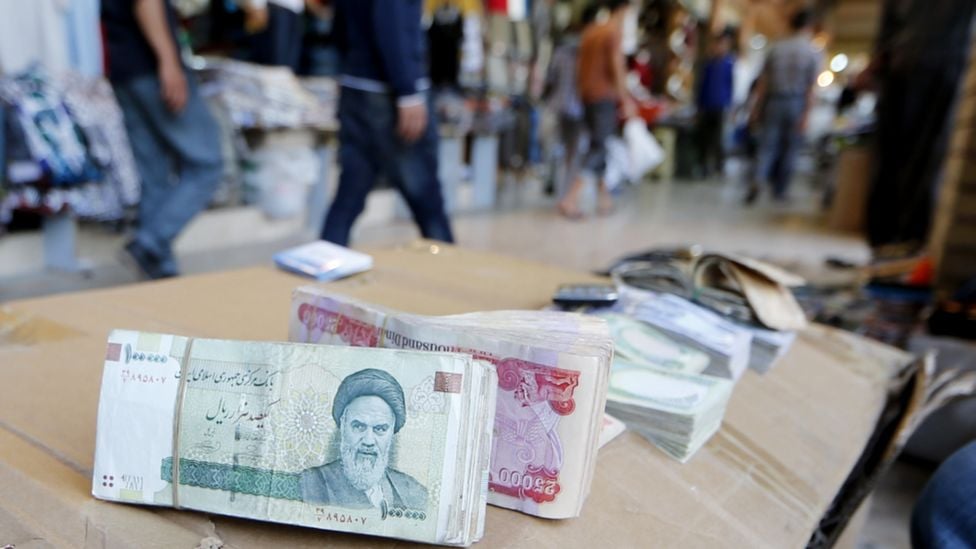
Iran's economy is buckling under a convergence of pressures as regional conflict and renewed US sanctions squeeze Tehran's already fragile finances, according to economic analysts tracking the country's deteriorating outlook. The rial has continued its slide against the dollar on the open market, extending a years-long depreciation that has eroded household purchasing power and kept inflation stubbornly high. The pressure has intensified since the reimposition of United Nations sanctions in September 2025, after Britain, France and Germany triggered the JCPOA's snapback mechanism over disputes with Tehran regarding its nuclear program, restoring a broad array of UN-level restrictions that had been suspended under the 2015 deal. Washington's own sanctions regime, aimed primarily at Iran's oil exports and banking sector, has continued to complicate Tehran's efforts to move crude and repatriate revenue, even as China remains its principal buyer. Layered on top of the sanctions squeeze is the lingering economic toll of the June 2025 conflict with Israel, a twelve-day exchange of strikes that damaged energy and military infrastructure and rattled investor confidence across the country. Analysts cited in reporting on the crisis say the combination of a weaker currency, restricted access to international banking, and conflict-related disruption leaves Tehran with fewer tools to stabilize prices or attract foreign investment. For Qatar and its Gulf neighbours, a destabilized Iranian economy carries direct regional consequences, from shared energy infrastructure in the Gulf to the broader question of regional security architecture that Doha has long sought to manage through dialogue rather than confrontation. Qatari officials have repeatedly emphasized engagement with Tehran as preferable to isolation, arguing that a cornered Iranian economy raises rather than lowers regional risk.
النسخة العربية
الحرب والعقوبات الأمريكية تضغط على الاقتصاد الإيراني
يواجه الاقتصاد الإيراني ضغوطاً متصاعدة نتيجة تقاطع الصراعات الإقليمية مع تشديد العقوبات الأمريكية المتجددة، وفق محللين اقتصاديين يتابعون تدهور الآفاق الاقتصادية لطهران. واصل الريال الإيراني تراجعه أمام الدولار في السوق الموازية، في استمرار لانخفاض ممتد منذ سنوات أدى إلى تآكل القوة الشرائية للأسر وأبقى معدلات التضخم مرتفعة بعناد. وتصاعدت هذه الضغوط منذ إعادة فرض عقوبات الأمم المتحدة في سبتمبر 2025، بعدما فعّلت بريطانيا وفرنسا وألمانيا آلية «سناب باك» ضمن الاتفاق النووي على خلفية خلافات مع طهران حول برنامجها النووي، ما أعاد فرض مجموعة واسعة من القيود الأممية التي كانت معلّقة بموجب اتفاق عام 2015. كما استمر نظام العقوبات الأمريكية، الذي يستهدف بشكل رئيسي صادرات النفط الإيرانية والقطاع المصرفي، في تعقيد جهود طهران لتصدير النفط الخام وتحويل عائداته، رغم بقاء الصين المشتري الرئيسي لخامها. وتضاف إلى ضغط العقوبات التداعيات الاقتصادية المستمرة لصراع يونيو 2025 مع إسرائيل، الذي استمر اثني عشر يوماً من الضربات المتبادلة وألحق أضراراً بالبنية التحتية للطاقة والمنشآت العسكرية، وزعزع ثقة المستثمرين في البلاد. ويقول محللون إن اجتماع العملة الضعيفة مع تقييد الوصول إلى النظام المصرفي الدولي والاضطرابات الناجمة عن الصراع يترك طهران بأدوات أقل لضبط الأسعار أو جذب الاستثمار الأجنبي. وبالنسبة لقطر وجيرانها الخليجيين، يحمل تدهور الاقتصاد الإيراني تداعيات إقليمية مباشرة، من البنية التحتية المشتركة للطاقة في الخليج إلى مسألة أوسع تتعلق بمعمار الأمن الإقليمي الذي سعت الدوحة دوماً لإدارته عبر الحوار لا المواجهة. وأكد مسؤولون قطريون مراراً أن الانخراط مع طهران أفضل من عزلها، معتبرين أن اقتصاداً إيرانياً محاصراً يرفع المخاطر الإقليمية بدل أن يخفضها.
Source tweet
Iran's economy faces mounting pressure as regional conflicts intensify and the US tightens sanctions. Economic analysts warn of growing challenges ahead for Tehran.
More Stories
 Iran
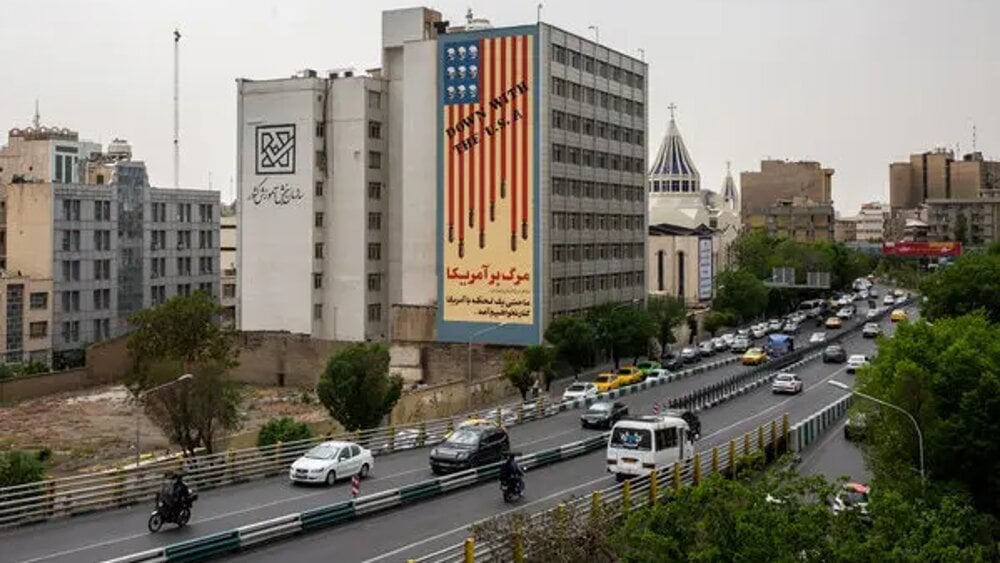
IranIran Deputy Economy Minister Says Latest US Sanctions Campaign Failed
 Africa
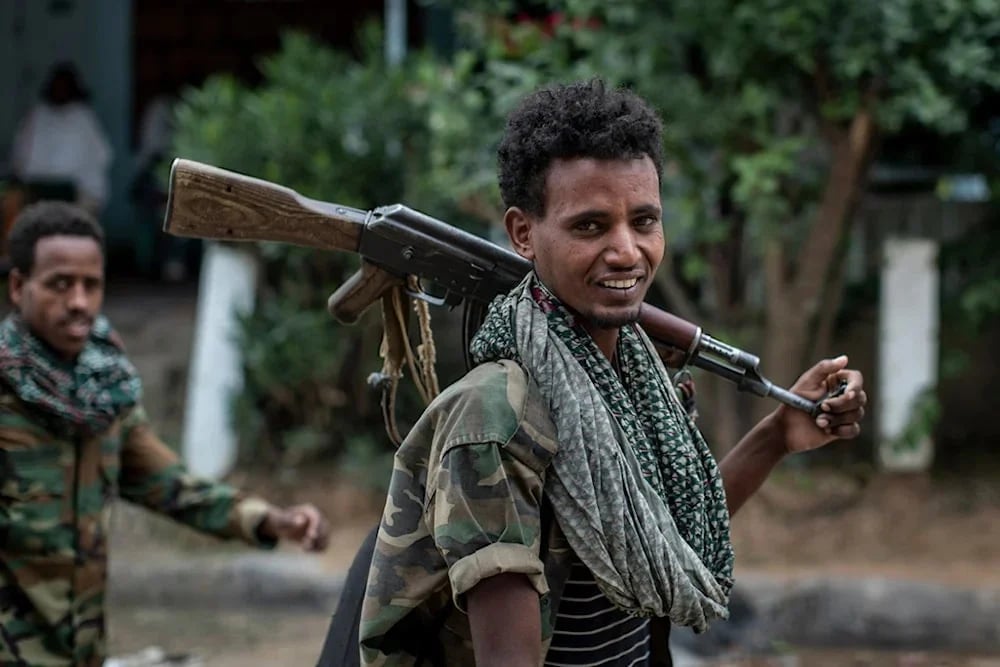
Opposition Coalition Formed as Ethiopia Faces Renewed Tigray Conflict Threat
 Iran
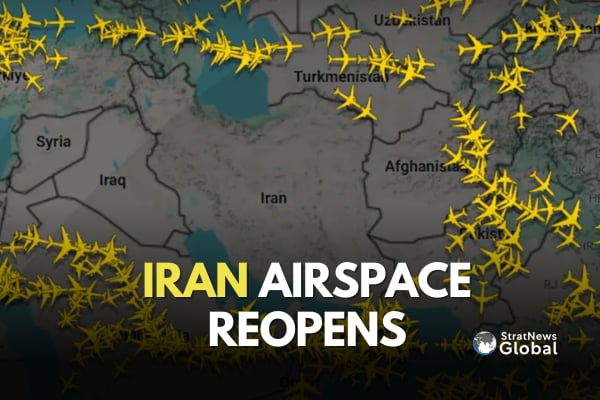
IranIran Denies Plans to Attack Regional Airports Over US Flight Restrictions
 Africa
Qatar Airways Deploys Pilots to Rwanda in Regional Aviation Initiative
 Economy