
حظر الحرس الثوري الإيراني عمليات الملاحة عبر مضيق هرمز وتنقل السفن تحذيرات بذلك عبر موجات VHF
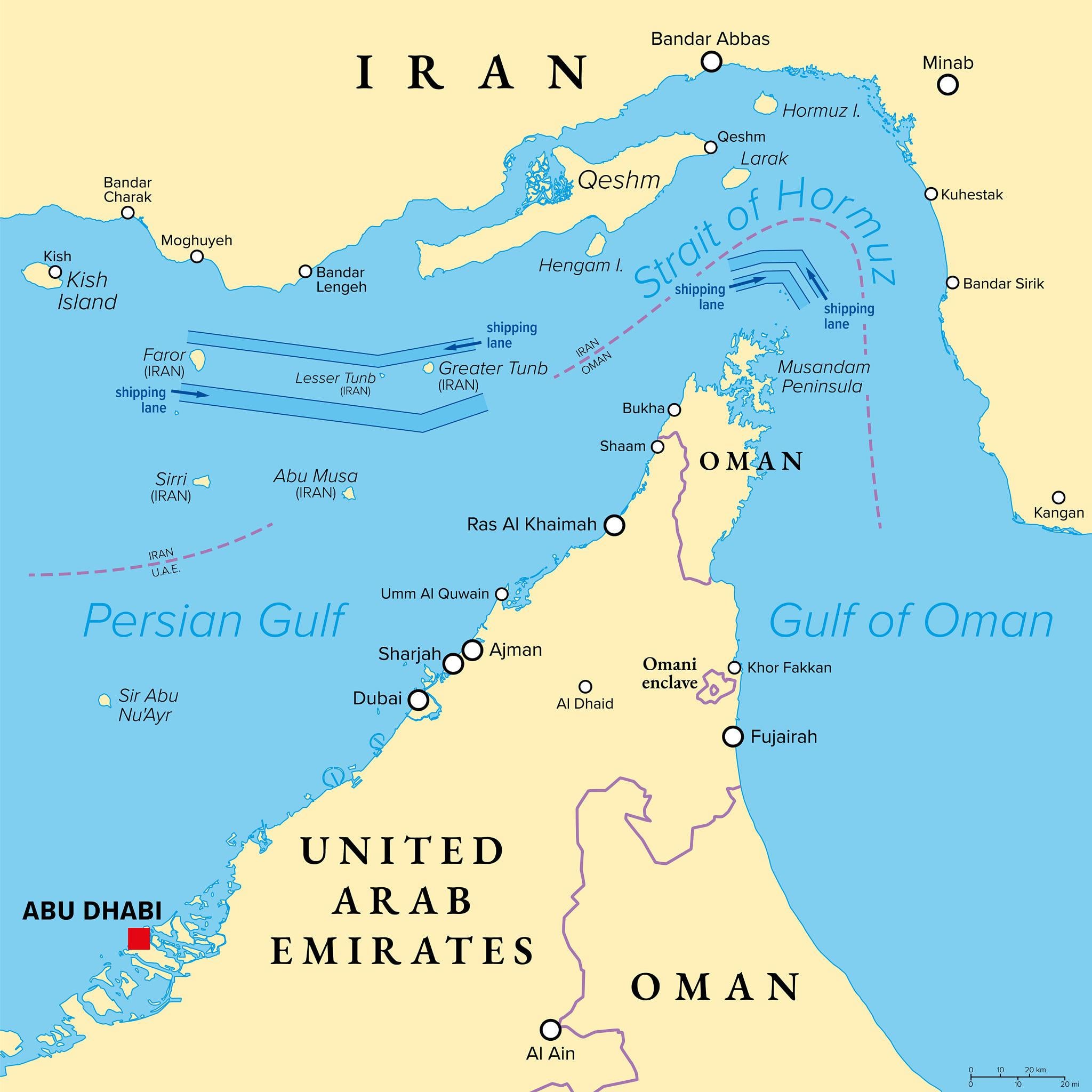
أعلن الحرس الثوري الإيراني عن حظر جميع عمليات الملاحة عبر مضيق هرمز، حيث تتلقى السفن تحذيرات بذلك عبر موجات VHF، في خطوة تزيد من التوترات في المنطقة. هذا الإعلان يأتي في سياق الأحداث الجارية في المنطقة، حيث يعد مضيق هرمز ممراً بحرياً حيوياً للنفط والغاز، ويمر عبره جزء كبير من التجارة العالمية.
مضيق هرمز هو ممر مائي ضيق يفصل بين إيران والسلطنة العمانية، ويمثل نقطة استراتيجية هامة في المنطقة، حيث يمر عبره أكثر من 20% من إجمالي صادرات النفط في العالم. هذا المضيق يلعب دوراً حيوياً في تلبية احتياجات السوق العالمية من الطاقة، وخاصة النفط والغاز الطبيعي. الحظر المفروض على الملاحة عبر هذا المضيق يثير مخاوف من تأثيره على أسعار الطاقة العالمية وسيادة القانون في الممرات المائية الدولية.
وفقاً للمعلومات المتاحة، فإن السفن تتلقى تحذيرات بخصوص الحظر عبر موجات VHF، وهي طريقة اتصال لاسلكي تستخدم في الملاحة البحرية. هذا النوع من التحذيرات يهدف إلى إبلاغ السفن بوجود خطر أو قيود على الملاحة في المنطقة، ويتطلب من السفن اتخاذ إجراءات احترازية لضمان سلامة الركاب والطاقم.
من منظور قطري، فإن هذا التطور يعد مصدر قلق، حيث تعتمد قطر على صادرات النفط والغاز لتحقيق جزء كبير من إيراداتها. أي تأثير على مضيق هرمز قد يؤثر على قدرة قطر على تصدير هذه المواد الهامة، مما قد يؤثر على اقتصادها. بالإضافة إلى ذلك، فإن قطر تعمل على تعزيز أمنها القومي وسيادتها، وتهتم بضمان استقرار المنطقة وحرية الملاحة في الممرات المائية الدولية.
English Version
Iran's Revolutionary Guard has announced a ban on all navigation operations through the Strait of Hormuz, with ships receiving warnings via VHF waves.
Iran's Revolutionary Guard has announced a ban on all navigation operations through the Strait of Hormuz, with ships receiving warnings via VHF waves, in a move that could significantly impact global oil supplies and shipping routes. The Strait of Hormuz is a critical waterway that connects the Persian Gulf to the Gulf of Oman and the Arabian Sea, with a significant portion of the world's oil exports passing through it, making it a vital shipping lane for international trade. The announcement by Iran's Revolutionary Guard is likely to cause concern among oil-producing countries in the Gulf region, including Qatar, as well as major oil-importing nations, as any disruption to navigation through the strait could lead to increased oil prices and potential shortages.
The context of this announcement is not entirely clear, but it is likely related to ongoing tensions in the region, particularly between Iran and other countries in the Gulf. The Strait of Hormuz has been a focal point of these tensions, with Iran having previously threatened to close the strait in response to economic sanctions or military action. The use of VHF waves to warn ships of the ban suggests that Iran's Revolutionary Guard is taking a proactive approach to enforcing the ban, and ships that fail to comply may face unspecified consequences.
The impact of this ban on the global economy could be significant, as the Strait of Hormuz is a major chokepoint for oil exports from countries such as Saudi Arabia, the United Arab Emirates, and Kuwait. Qatar, which is also a major oil and gas producer, may be affected by the ban, particularly if it leads to increased insurance costs or other disruptions to shipping operations. The Qatari government has not yet commented on the announcement, but it is likely to be monitoring the situation closely, given the potential implications for the country's economy.
المصدر
حظر الحرس الثوري الإيراني عمليات الملاحة عبر مضيق هرمز وتنقل السفن تحذيرات بذلك عبر موجات VHF.
المزيد من القصص
 اقتصاد
طرق نقل النفط السرية في مياه عمان: عمليات نقل بين السفن تتجاوز العقوبات
 إيران
إيرانالبنتاغون ينشر 50 ألف جندي في الحرب الإيرانية بتكاليف 38 مليار دولار
 إيران
إيرانالبنتاغون: 184 مليون دولار خسائر من الضربات الإيرانية على منشآت أمريكية
 دبلوماسية
الأمم المتحدة: انتقال سوريا يتطلب محاسبة وإنهاء العمليات العسكرية الإسرائيلية
 إيران
إيران