
بروتوكول مضيق هرمز الإيراني يواجه معارضة دولية
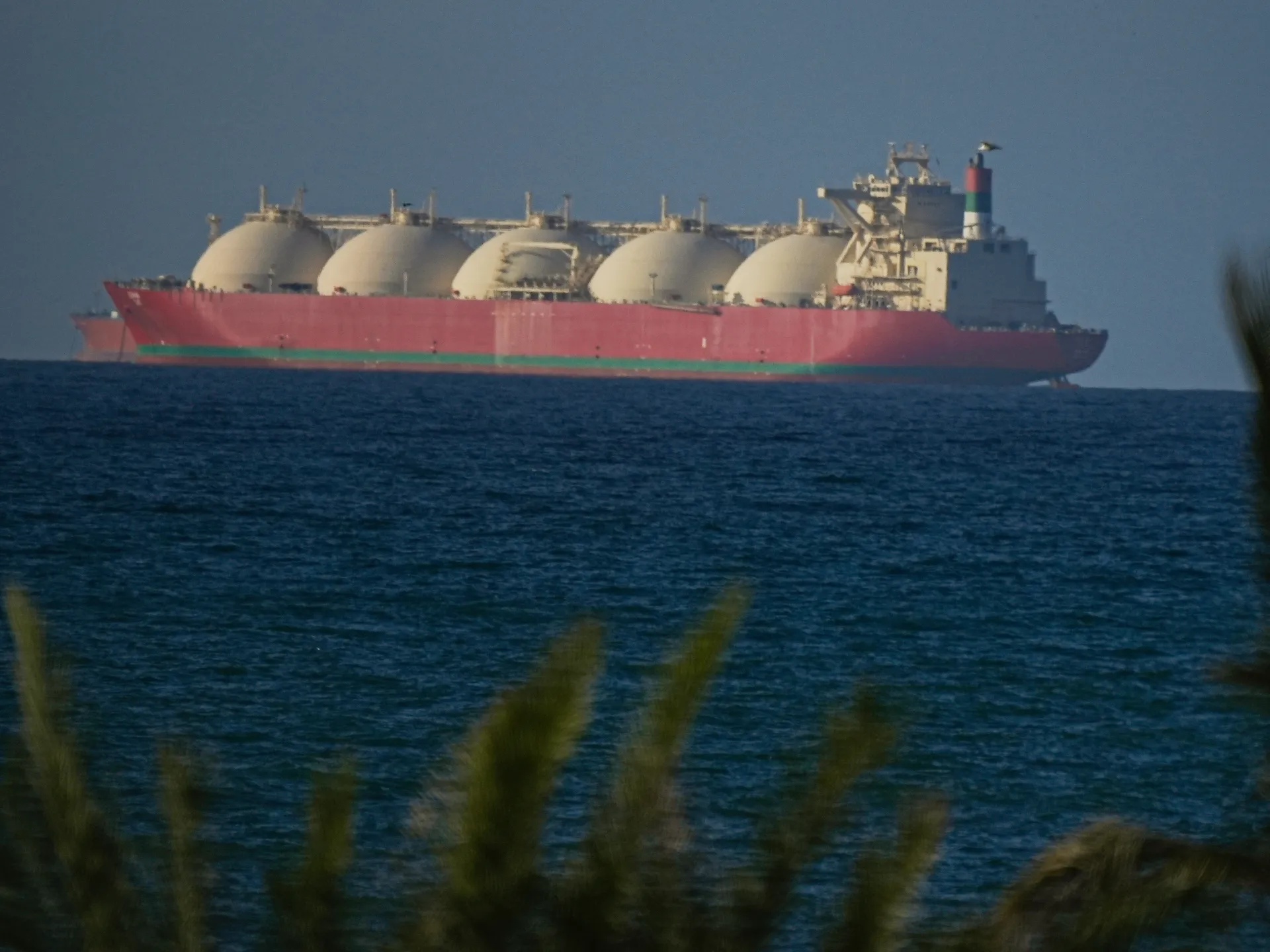
أعلنت إيران عن بروتوكول جديد لمضيق هرمز يتضمن فرض ضرائب على السفن المارة، مما أثار معارضة دولية واسعة النطاق.
يعتبر مضيق هرمز من أهم الممرات البحرية في العالم، حيث يمر من خلاله حوالي 20% من إمدادات النفط والغاز الطبيعي المسال العالمية. وقد ظل المضيق حتى وقت قريب خالياً من الرسوم والضرائب، مما جعله ممراً آمناً ومفضلاً للسفن التجارية. ومع تصاعد التوترات بين إيران والولايات المتحدة وإسرائيل منذ فبراير الماضي، أصبح المضيق محط اهتمام عالمي متزايد. وقد أعلنت إيران عن نيتها فرض ضرائب على السفن المارة كجزء من خطتها لجمع الأموال لإعادة الإعمار.
هذا القرار الإيراني يواجه رفضاً دولياً، حيث تعتبر العديد من الدول أن فرض مثل هذه الضرائب قد يؤثر سلباً على التجارة العالمية ويزيد من تكاليف النقل البحري. ويُنظر إلى هذه الخطوة على أنها محاولة من إيران لتعزيز سيطرتها على المضيق، الذي يُعتبر شرياناً حيوياً للاقتصاد العالمي. كما أن المضيق لا يُصنف ضمن المياه الدولية، مما يمنح إيران وأيضاً عمان، التي تشترك في حدوده، الحق في اتخاذ قرارات تتعلق بإدارته.
من منظور قطري، تعتبر هذه التطورات في مضيق هرمز ذات أهمية خاصة، نظراً لاعتماد قطر الكبير على تصدير الغاز الطبيعي المسال عبر هذا الممر الحيوي. وأي زيادة في تكاليف النقل أو تعقيدات إضافية قد تؤثر على الاقتصاد القطري وعلى أسعار الطاقة العالمية. لذلك، من المتوقع أن تتابع قطر هذه التطورات عن كثب وأن تعمل مع شركائها الدوليين لضمان استمرار تدفق الطاقة بشكل آمن ومستقر عبر المضيق.
English Version
Iran's Strait of Hormuz Protocol Faces International Pushback
Iran's recent announcement regarding a new protocol for the Strait of Hormuz, which includes plans to impose taxes on ships passing through this critical maritime route, has sparked significant international backlash. The protocol aims to generate revenue for the Iranian government, particularly to fund reconstruction efforts amid ongoing conflicts, but it has raised concerns among nations reliant on the strait for oil and liquefied natural gas shipments.
The Strait of Hormuz is a vital chokepoint that connects the Gulf to the Gulf of Oman, facilitating the transit of approximately 20 percent of the world's oil and LNG supplies. Historically, this narrow waterway has been toll-free, allowing vessels to navigate without additional financial burdens. However, the geopolitical landscape has shifted dramatically since the onset of hostilities between Israel, the United States, and Iran, which began in February. The conflict has heightened tensions in the region, prompting Iran to seek new sources of revenue as it faces economic challenges exacerbated by sanctions and military engagements.
Iran's decision to tax maritime traffic through the strait is seen as a strategic move to leverage its geographical position. The strait is not classified as international waters, which gives Iran the authority to impose such measures. However, this initiative has been met with fierce opposition from other nations that depend on the strait for their energy supplies. Critics argue that taxing ships could lead to increased shipping costs, disrupt global oil markets, and escalate tensions in an already volatile region.
المصدر
إيران تعلن بروتوكولًا جديدًا لمضيق هرمز يشمل فرض ضرائب على السفن المارة، مما يثير معارضة دولية 🇮🇷
المزيد من القصص
 سياسة
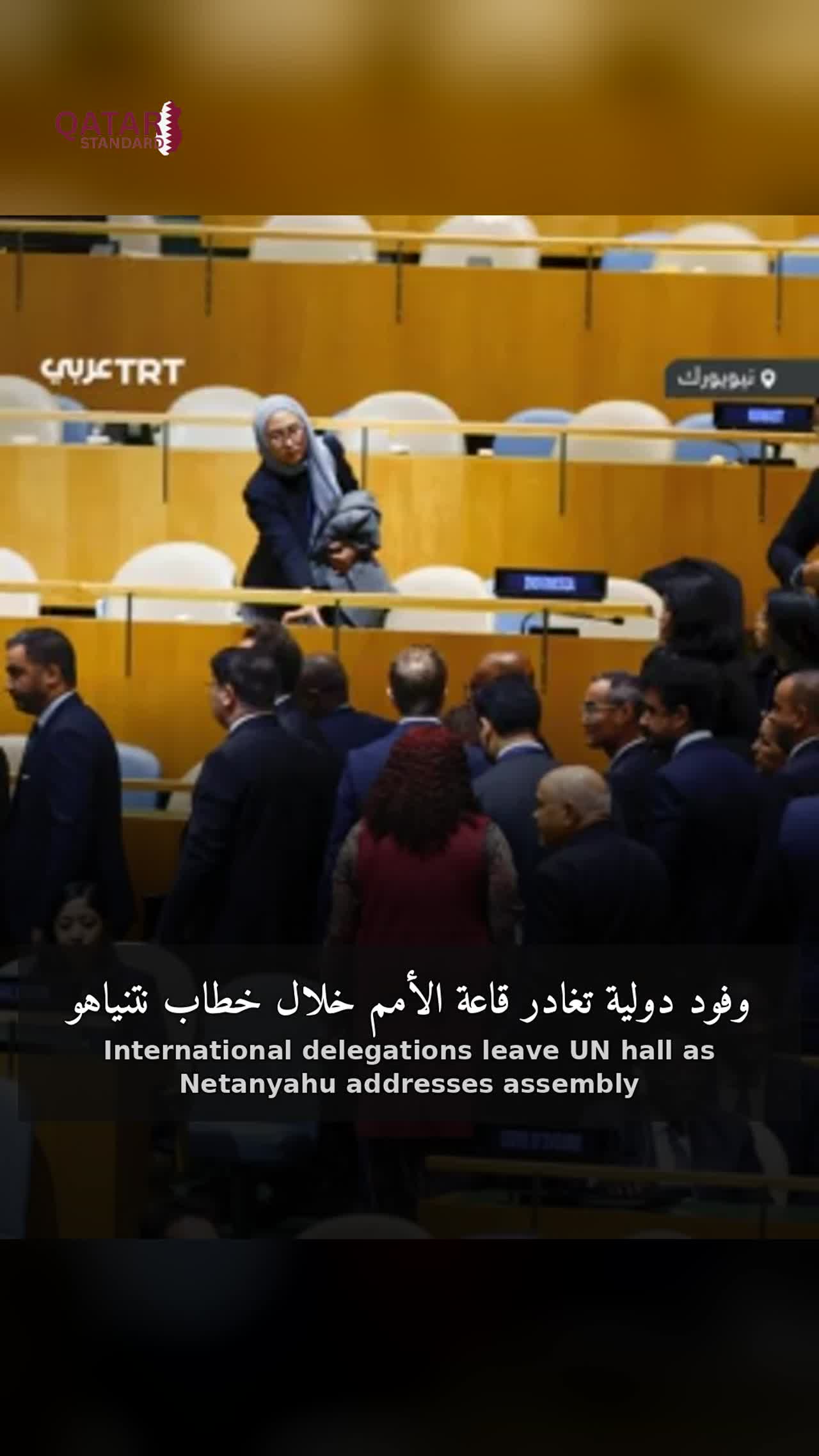
سياسةوفود دولية تغادر قاعة الأمم المتحدة احتجاجاً خلال كلمة رئيس الوزراء الإسرائيلي نتنياهو
 إيران
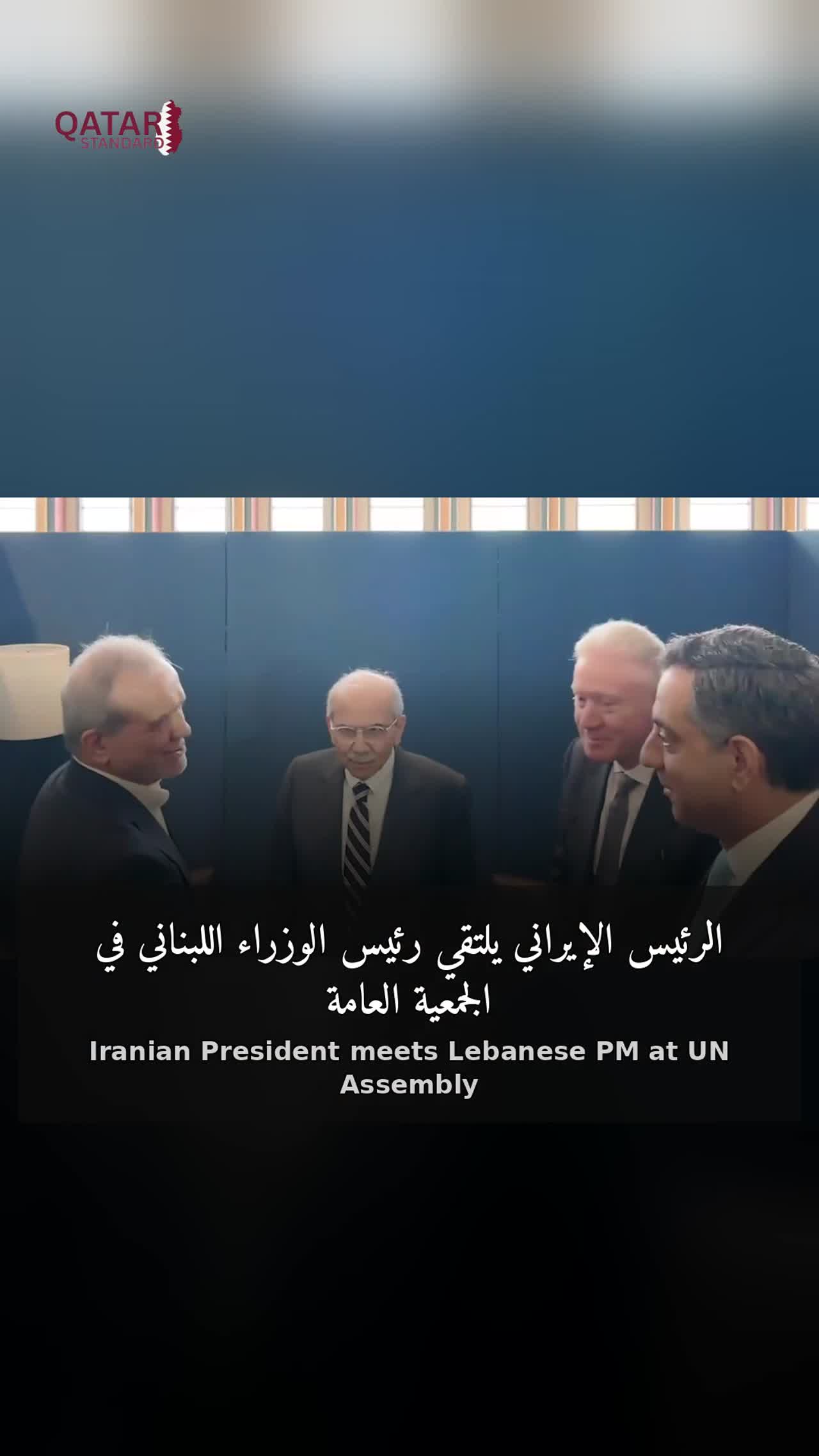
إيرانعلى هامش الجمعية العامة للأمم المتحدة: اجتماع بين الرئيس الإيراني مسعود بزشكيان ورئيس الوزراء اللبناني نواف سلام في نيوي
 أفريقيا
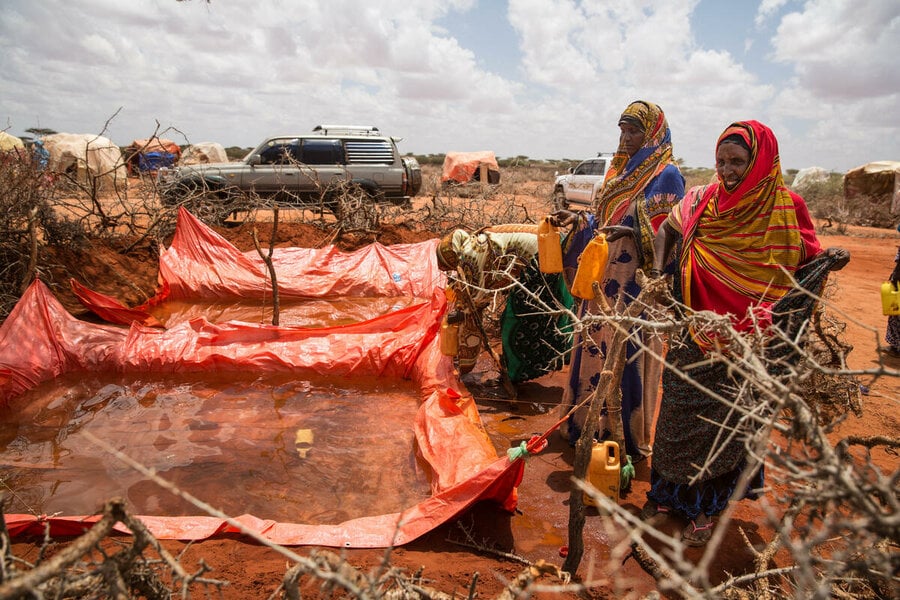
أزمة إنسانية حادة في الصومال: ملايين يواجهون الجوع وسوء التغذية
 إيران
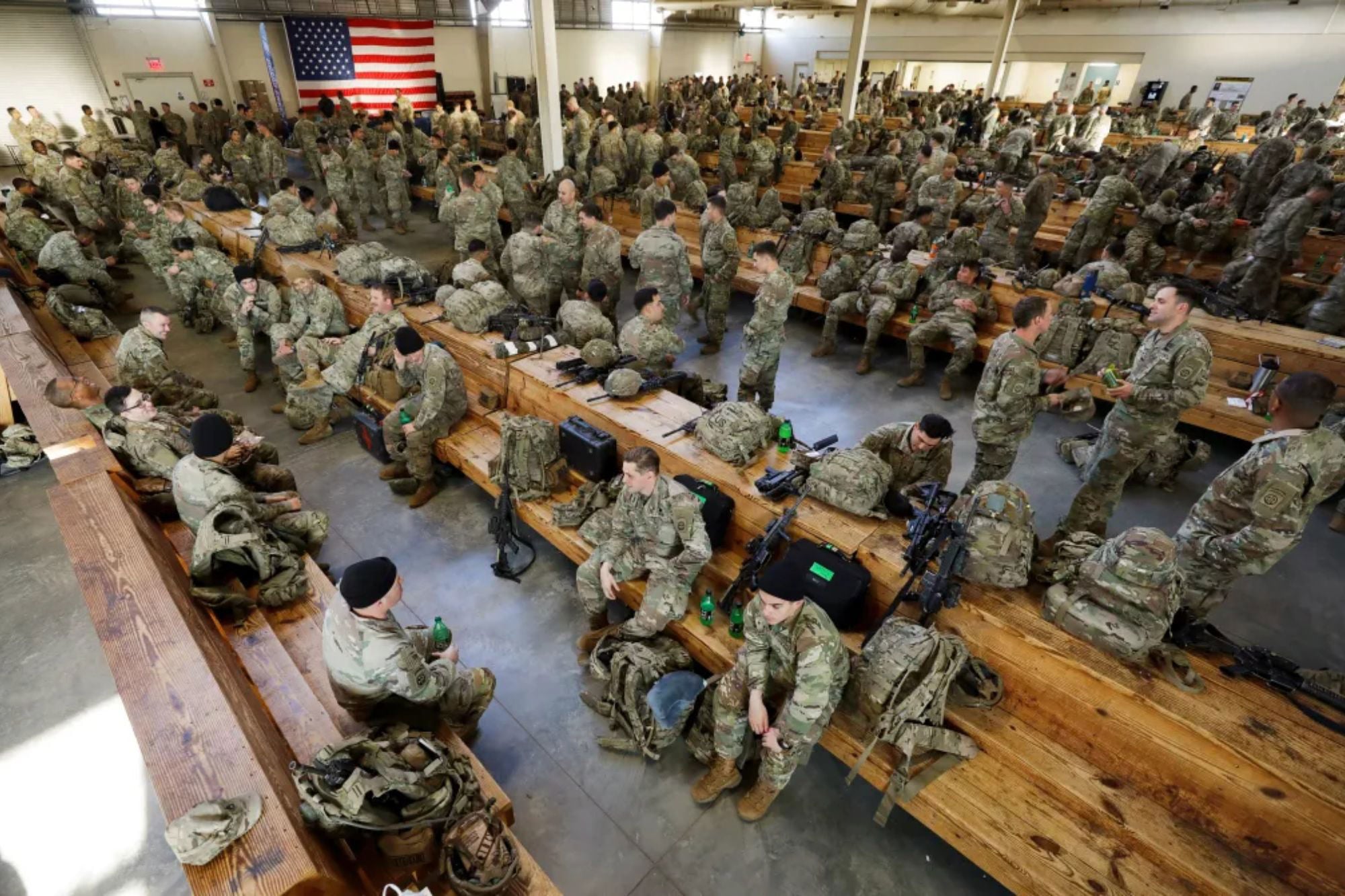
إيرانالبنتاغون ينشر 50 ألف جندي في الحرب الإيرانية بتكاليف 38 مليار دولار
 إيران
إيران