

Oil prices surge 13% surpassing $80 amid escalating supply concerns. Global energy stability hangs in the balance as

Oil prices have surged by 13%, surpassing the $80 mark, amid escalating concerns over supply disruptions that threaten global energy stability. This significant increase in crude oil prices reflects a volatile market landscape, driven by a combination of geopolitical tensions, production cuts, and rising demand.
The recent spike in oil prices is a response to various factors that have created a challenging environment for the energy sector. Ongoing geopolitical tensions in key oil-producing regions, particularly in the Middle East, have raised alarms about potential supply disruptions. Additionally, production cuts implemented by major oil-producing nations, including those in OPEC+, have further tightened the market. These cuts, aimed at stabilizing prices, have inadvertently led to increased anxiety among consumers and investors, who are concerned about the implications of reduced supply in the face of recovering global demand.
The significance of this price surge is considerable. Oil is a critical component of the global economy, influencing everything from transportation costs to consumer prices. As prices rise, the potential for inflation increases, which could have far-reaching effects on economic recovery efforts in various countries. Nations heavily reliant on oil imports may face increased trade deficits, while oil-exporting countries could see a boost in revenues, potentially altering the balance of power in international relations.
Market analysts are closely monitoring the situation, as the dynamics of supply and demand continue to shift. The rise in oil prices has sparked discussions about the sustainability of current production levels and the potential for further price increases if tensions persist. Furthermore, the ongoing recovery from the COVID-19 pandemic has led to a resurgence in demand for energy, complicating the outlook for the market. As economies reopen and travel resumes, the demand for oil is expected to continue climbing, placing additional pressure on supply chains.
From a Gulf perspective, the implications of rising oil prices are particularly significant. Gulf Cooperation Council (GCC) countries, which are major oil producers, stand to benefit from higher prices, potentially boosting their economies and providing additional funding for development projects. However, these nations must also navigate the complexities of global energy markets, including the push for diversification away from fossil fuels. The transition to renewable energy sources is gaining momentum, and while higher oil prices may provide short-term economic relief, they also highlight the urgent need for long-term strategies that address sustainability and energy security.
As the situation unfolds, the global energy market remains on edge, with stakeholders aware of the potential for further fluctuations in oil prices. The interplay of geopolitical factors, production decisions, and demand trends will continue to shape the landscape, making it imperative for countries and companies alike to adapt to the evolving dynamics of the energy sector. The coming weeks will be crucial in determining whether this price surge is a temporary spike or a sign of more sustained changes in the market.
النسخة العربية
قفزت أسعار النفط بنسبة 13% لتتجاوز 80 دولارًا للبرميل وسط تصاعد مخاوف نقص الإمدادات في الأسواق العالمية
قفزت أسعار النفط بنسبة 13% لتتجاوز حاجز 80 دولارًا للبرميل، مما يعكس تصاعد المخاوف بشأن نقص الإمدادات في الأسواق العالمية. هذا الارتفاع المفاجئ يأتي في وقت يشهد فيه العالم توترات جيوسياسية واضطرابات اقتصادية تؤثر بشكل مباشر على استقرار أسواق الطاقة.
تعتبر هذه الزيادة من بين الأكبر في الفترة الأخيرة، حيث تعكس قلقاً متزايداً من عدم قدرة المنتجين على تلبية الطلب المتزايد. ومع استمرار التوترات الجيوسياسية في بعض المناطق الرئيسية المنتجة للنفط، تزداد المخاوف من حدوث اضطرابات في الإمدادات، مما يدفع الأسعار إلى الارتفاع. هذه العوامل تجعل من الصعب التنبؤ بمستقبل الأسعار في المدى القريب، حيث أن أي تطور جديد قد يؤثر بشكل كبير على السوق.
في السياق العالمي، تأتي هذه الزيادة في وقت تعاني فيه العديد من الاقتصادات من ضغوط تضخمية متزايدة، مما يضيف عبئاً إضافياً على المستهلكين والحكومات. ارتفاع أسعار الطاقة يؤثر بشكل مباشر على تكلفة الإنتاج والنقل، مما يؤدي إلى زيادة أسعار السلع والخدمات. هذا الوضع يضع الحكومات أمام تحديات كبيرة في محاولة تحقيق التوازن بين دعم النمو الاقتصادي والسيطرة على التضخم.
Source tweet
Oil prices surge 13% surpassing $80 amid escalating supply concerns. Global energy stability hangs in the balance as market dynamics reflect growing uncertainties.
More Stories
 Economy
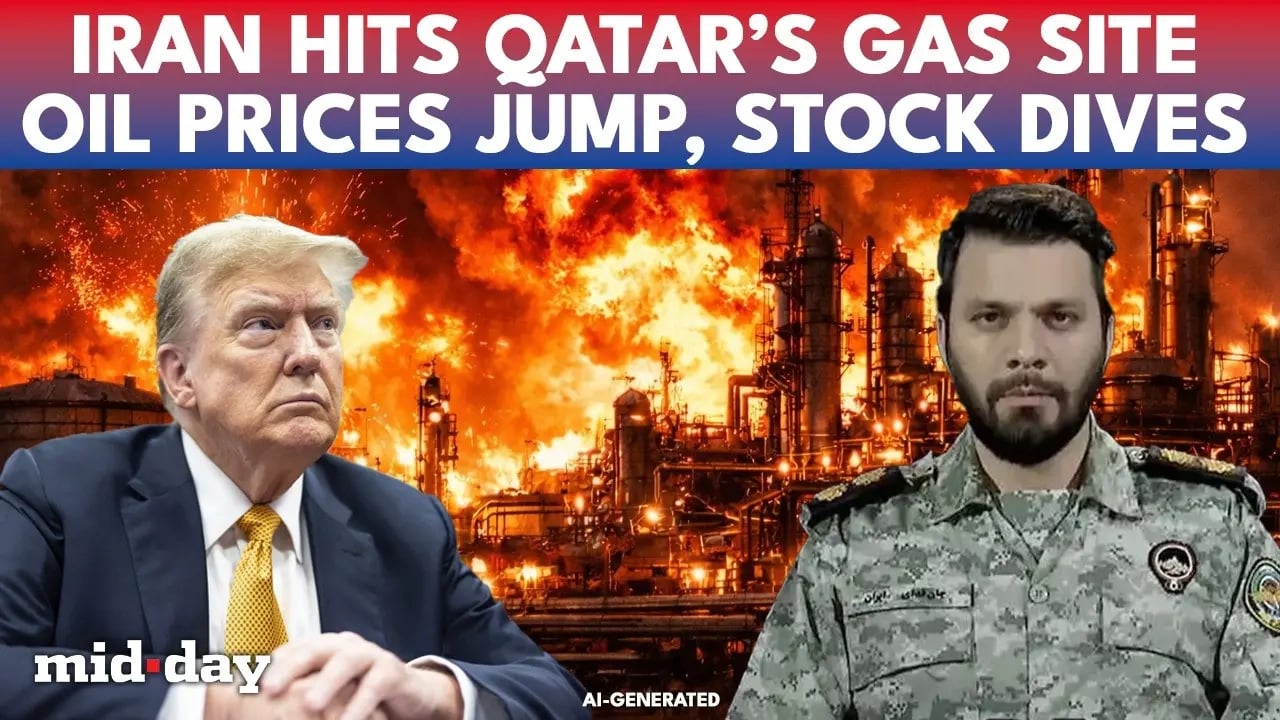
Trump Threatens Iran Strike As Oil Rises, Qatari LNG Halted
 Iran
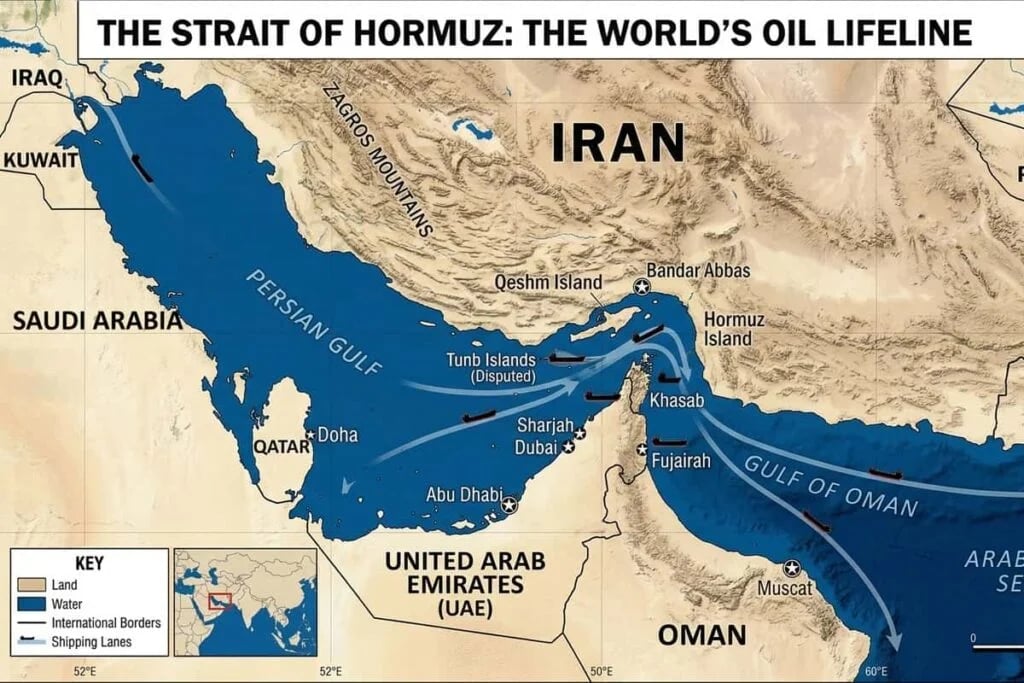
IranGulf oil producers explore Strait of Hormuz alternatives as US-Iran conflict escalates
 Economy
QatarEnergy Cuts August Crude Prices as Middle East Supplies Rise
 Economy
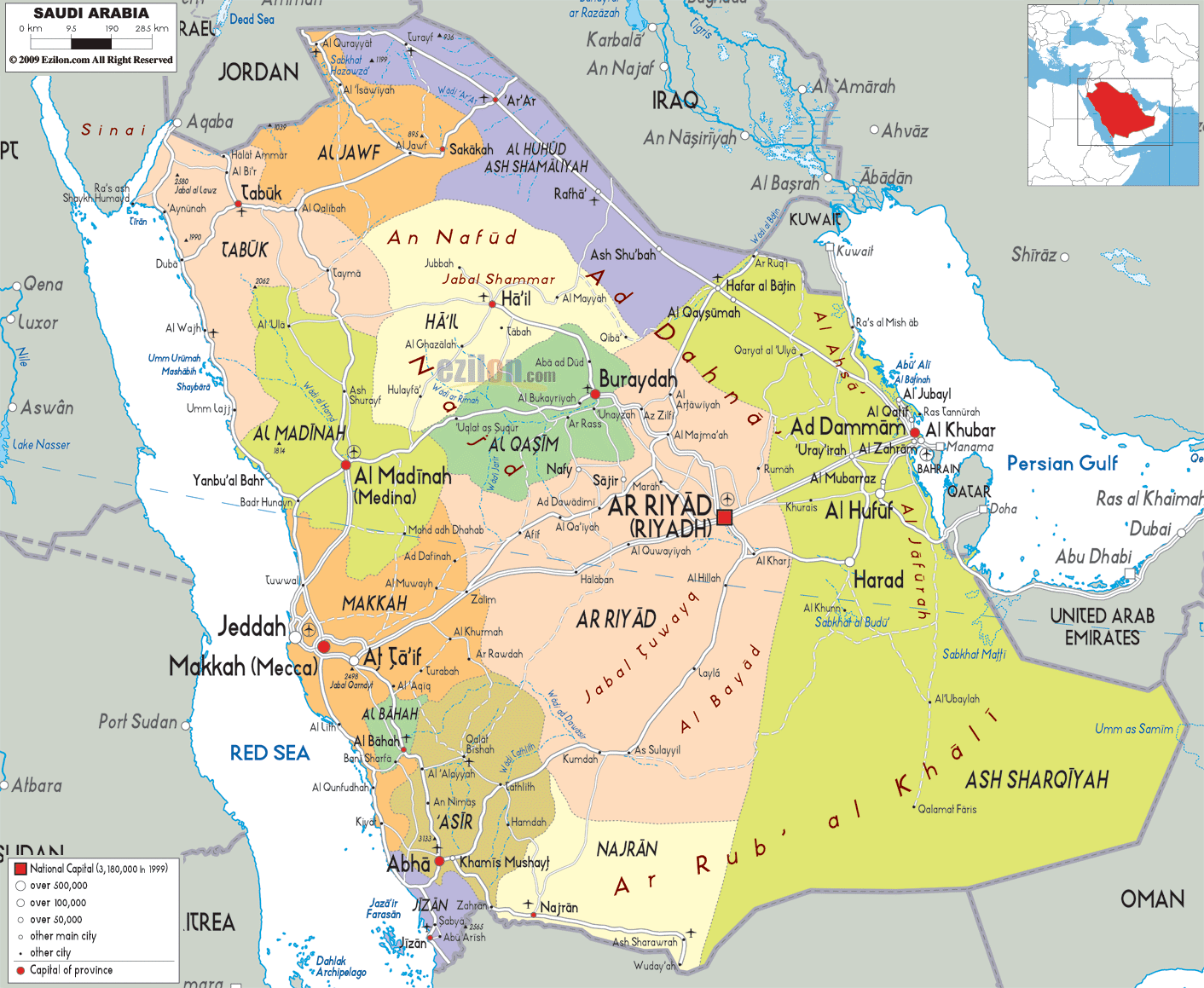
Qatar, Saudi Arabia push LNG and oil shipments despite Red Sea attacks
 Iran
Iran