

Gulf Oil Export Losses Far Smaller Than Initially Feared, Traders Say
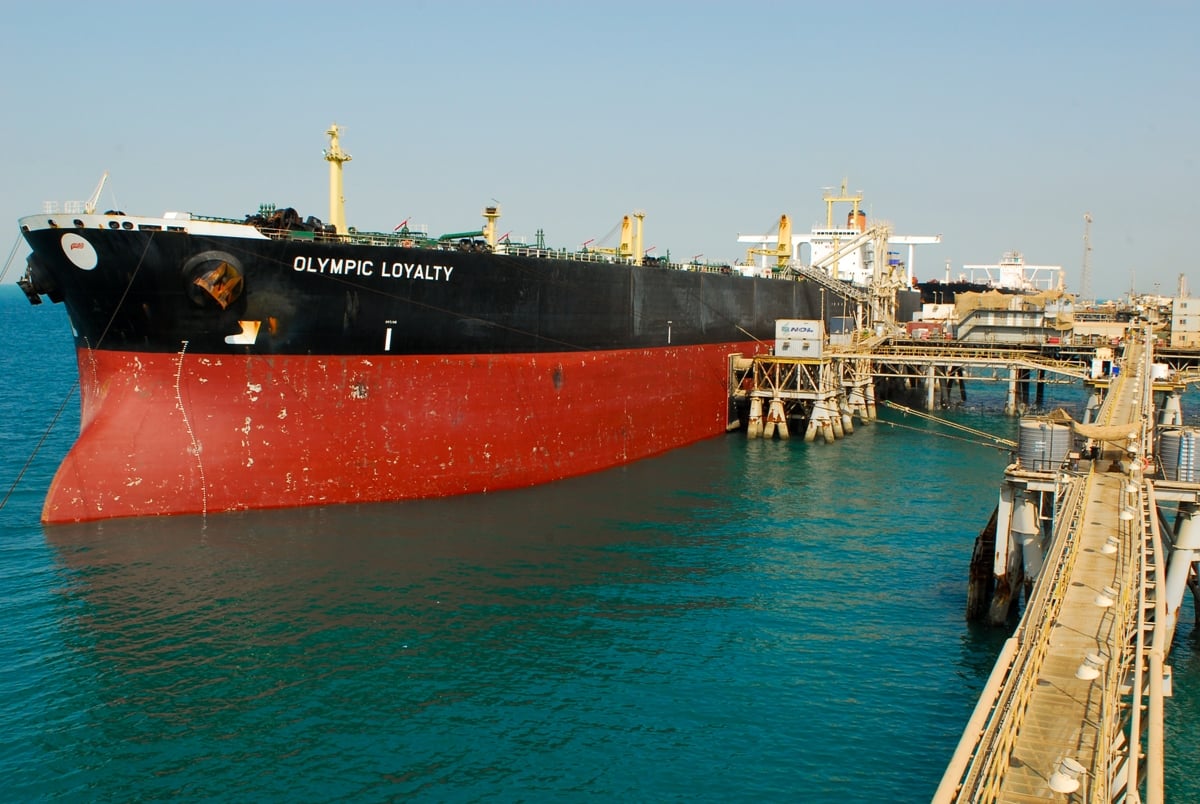
Gulf oil export losses from recent Strait of Hormuz tensions are proving far smaller than traders and shippers first feared, according to revised estimates that cut the projected disruption from as much as 14 million barrels per day to between 2 and 6 million. Early assessments had assumed a near-total halt to crude moving through the waterway, the world's most important oil chokepoint, through which a large share of Gulf exports from Saudi Arabia, Iraq, Kuwait, the United Arab Emirates and Qatar normally passes.
In practice, traders and shippers say alternative logistics kept much of that crude flowing. Cargoes were rerouted, loading schedules adjusted and pipeline capacity that bypasses the strait absorbed part of the volume, blunting the impact on global supply.
The downward revision has eased fears of a sharp price spike and a prolonged shortfall, though shippers caution that insurance costs and freight rates remain elevated while the security situation stays unsettled. For Qatar, whose liquefied natural gas and condensate exports also transit Hormuz, the resilience of regional shipping routes is closely watched, as any sustained closure would carry significant consequences for Gulf energy revenues.
النسخة العربية
خسائر صادرات النفط الخليجي أقل بكثير من المتوقع
تبيّن أن خسائر صادرات النفط الخليجي الناجمة عن التوترات الأخيرة في مضيق هرمز أقل بكثير مما توقعه التجار والشاحنون في البداية، إذ خفّضت التقديرات المعدّلة حجم الاضطراب المتوقع من نحو 14 مليون برميل يومياً إلى ما بين 2 و6 ملايين برميل. وكانت التقييمات الأولية قد افترضت توقفاً شبه كامل لتدفق الخام عبر الممر المائي، وهو أهم نقطة اختناق للنفط في العالم، إذ تمر منه حصة كبيرة من صادرات الخليج القادمة من السعودية والعراق والكويت والإمارات وقطر.
لكن التجار والشاحنين يقولون إن الخدمات اللوجستية البديلة حافظت على استمرار تدفق معظم هذا الخام، عبر إعادة توجيه الشحنات وتعديل جداول التحميل والاعتماد على طاقة خطوط الأنابيب التي تتجاوز المضيق لاستيعاب جزء من الكميات، ما خفّف الأثر على الإمدادات العالمية. وقد بدّد هذا التعديل المخاوف من قفزة حادة في الأسعار ومن نقص طويل الأمد، رغم تحذير الشاحنين من أن تكاليف التأمين وأسعار الشحن ما زالت مرتفعة في ظل استمرار التوتر الأمني.
وبالنسبة لقطر، التي تمر صادراتها من الغاز الطبيعي المسال والمكثفات أيضاً عبر هرمز، تبقى مرونة طرق الشحن الإقليمية محل متابعة دقيقة، إذ يحمل أي إغلاق مطوّل تبعات كبيرة على عائدات الطاقة الخليجية.
Source tweet
Gulf oil export losses far smaller than initially feared. Traders and shippers revise estimates downward: initial 14 million barrel/day disruption cut to 2–6 million barrels/day. Alternative logistics kept crude flowing despite Strait of Hormuz tensions.
More Stories
 Gulf
GulfHow US-Israel Iran Strikes Hurt Qatar Gas Exports & Gulf Economies 2026
 Economy
Iran Hormuz Blockade 2026: Qatar LNG and Gulf Oil Exports at Risk
 Africa
Brazil Gains Approval to Export 17 Food Products to Ethiopia
 Economy
How the Iran War Impacts Qatar: Oil Prices, LNG Exports & Expat Economy
 Economy