

Rising tensions in the Strait of Hormuz as Iran threatens to target vessels, raising concerns in global markets over one
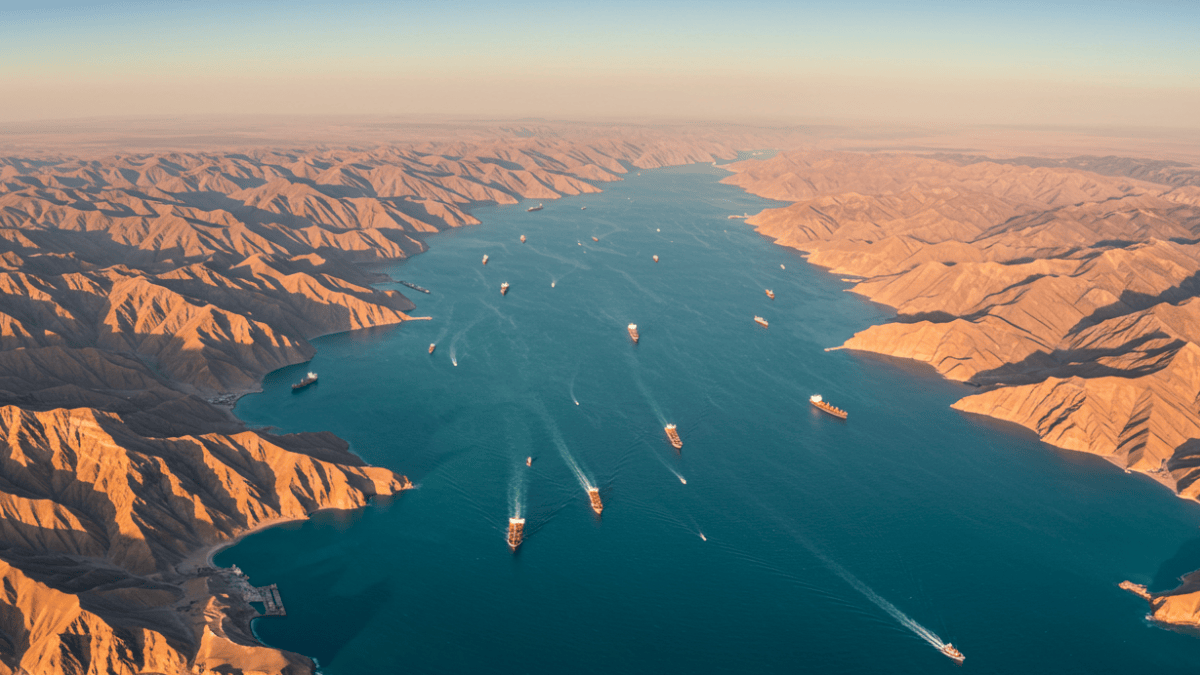
Rising tensions in the Strait of Hormuz have escalated as Iran has issued threats to target vessels navigating this critical maritime route, raising alarm in global markets that rely on one of the world's key energy corridors. The Strait of Hormuz is a vital passage for international oil shipments, with approximately 20 percent of the world's oil supply transported through its waters, making any disruption a significant concern for energy security.
The recent threats from Iran come amid heightened geopolitical tensions in the region, particularly following a series of incidents involving naval forces and oil tankers. Historically, the Strait of Hormuz has been a flashpoint for conflict, and Iran's assertive stance signals a potential escalation that could impact not only regional stability but also global oil prices. The Iranian government has indicated that it may take action against vessels it perceives as threats, a move that could provoke responses from other nations and lead to increased military presence in the area.
The implications of these threats extend far beyond the immediate region. Global markets are particularly sensitive to any disruptions in oil supply, and fears of increased hostilities in the Strait of Hormuz could lead to volatility in oil prices. Analysts have warned that even the mere threat of action can create uncertainty, prompting traders to react swiftly to protect their interests. The potential for conflict in such a critical shipping lane raises questions about the resilience of energy markets and the strategies that countries may employ to safeguard their energy supplies.
The geopolitical landscape surrounding the Strait of Hormuz is complex, with various stakeholders involved, including the United States, European nations, and regional powers. The U.S. has maintained a military presence in the Gulf to ensure the free passage of vessels and to deter Iranian aggression. However, Iran's threats highlight the challenges of maintaining stability in a region marked by historical animosities and competing interests. The situation necessitates careful diplomatic engagement to prevent miscalculations that could lead to a broader conflict.
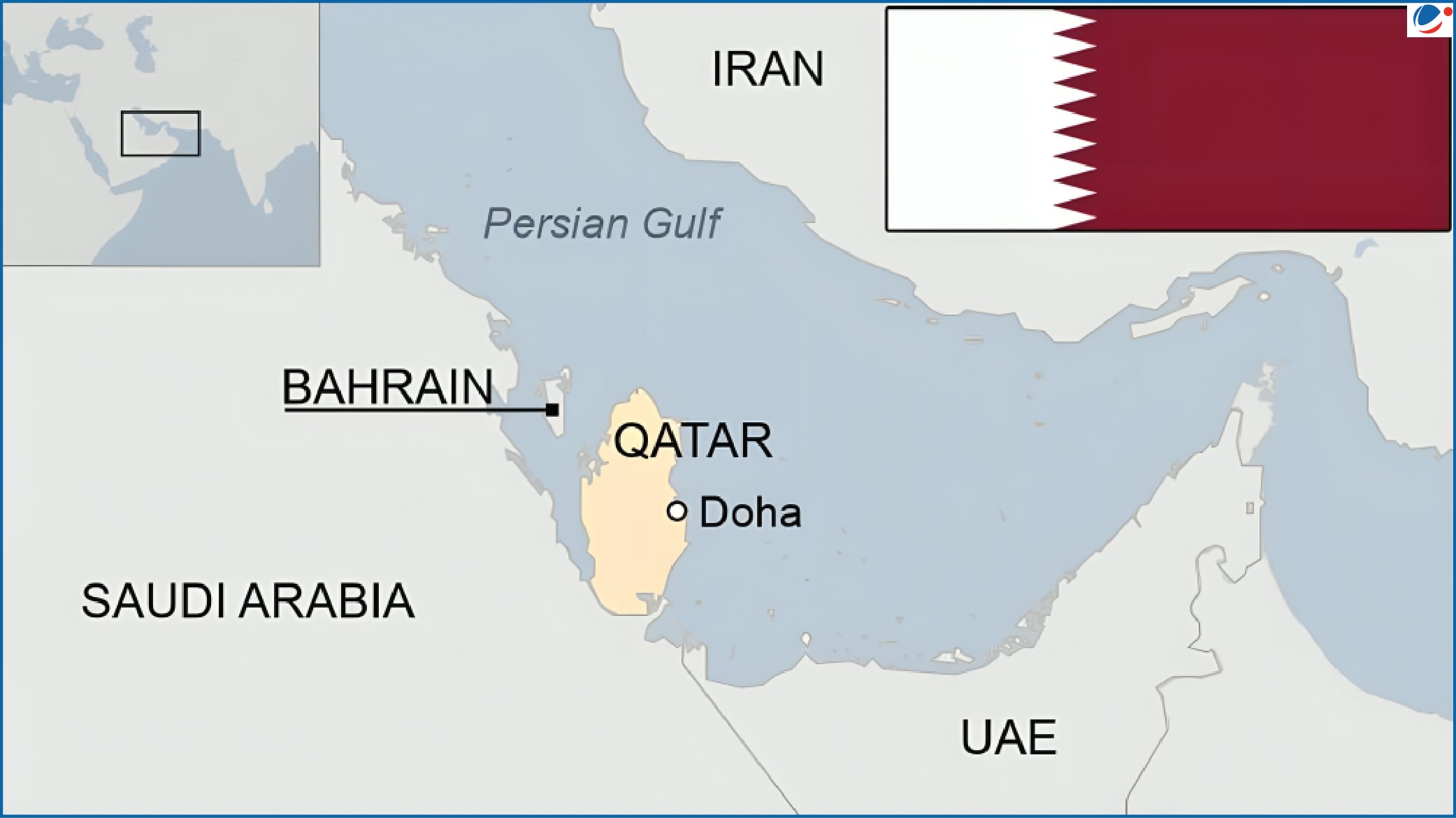
From Qatar's perspective, the situation in the Strait of Hormuz is particularly significant given the country's position as a major natural gas exporter. While Qatar's liquefied natural gas shipments primarily navigate alternative routes, any disruption in the Strait could have ripple effects across the energy markets, impacting prices and availability. Qatar has consistently advocated for dialogue and peaceful resolution of disputes in the region, emphasizing the importance of maintaining open and secure maritime routes for all nations.
As tensions continue to rise, the international community is closely monitoring developments in the Strait of Hormuz. The potential for escalation remains a pressing concern, and the need for diplomatic solutions is more critical than ever to ensure the stability of global energy supplies and the safety of maritime navigation in this vital corridor.
النسخة العربية
التصعيد في مضيق هرمز يتزايد مع تهديدات إيرانية باستهداف السفن، مما يثير قلق الأسواق العالمية حول أحد أهم ممرات الطاقة ال
تصاعدت حدة التوترات في مضيق هرمز مع تهديدات إيرانية باستهداف السفن، ما أثار قلق الأسواق العالمية حول أحد أهم ممرات الطاقة في العالم. يُعتبر مضيق هرمز شرياناً حيوياً للتجارة العالمية، حيث يمر عبره حوالي خُمس إنتاج النفط العالمي، مما يجعل أي اضطراب فيه يؤثر بشكل مباشر على أسعار النفط والاقتصاد العالمي.
في الآونة الأخيرة، زادت التوترات في المنطقة بعد تصريحات إيرانية تشير إلى احتمال استهداف السفن المارة في المضيق، مما يزيد من المخاوف بشأن استقرار إمدادات النفط العالمية. يُعتبر مضيق هرمز نقطة استراتيجية حاسمة، حيث تمر من خلاله ناقلات النفط العملاقة التي تنقل النفط من الدول الخليجية المنتجة إلى الأسواق العالمية. أي تهديد للأمن في هذا الممر يمكن أن يؤدي إلى ارتفاع كبير في أسعار النفط، وهو ما يثير قلق الدول المستوردة والمستهلكين على حد سواء.
التوترات في مضيق هرمز ليست جديدة، إذ شهدت المنطقة على مر السنوات الماضية العديد من الحوادث والتهديدات التي أثرت على حركة الملاحة البحرية. ومع ذلك، فإن التهديدات الأخيرة تأتي في وقت يشهد فيه العالم تقلبات اقتصادية وسياسية، مما يزيد من حساسية الأسواق تجاه أي تطورات سلبية في المنطقة. تعتمد العديد من الدول، بما في ذلك الصين واليابان والهند، بشكل كبير على النفط الذي يمر عبر مضيق هرمز، وبالتالي فإن أي تعطيل في تدفق النفط يمكن أن يكون له تأثيرات واسعة النطاق على الاقتصاد العالمي.
Source tweet
Rising tensions in the Strait of Hormuz as Iran threatens to target vessels, raising concerns in global markets over one of the world's key energy corridors, through which a fifth of the world's oil flows.
More Stories
 Diplomacy
Qatar and Turkey discuss regional developments and de-escalation efforts
 Economy
Trump Threatens Iran Strike As Oil Rises, Qatari LNG Halted
 Economy
Qatar Imports 33 American LNG Cargoes After Iran Damages Ras Laffan
 Gulf
GulfQatar Condemns Iran's Repeated Attacks on Jordan, Bahrain and Kuwait
 Gulf
Gulf